Laser Cutting Solutions for Car Interior Textiles

Get a Free Quote

Our representative will contact you soon.
Email
Name
Company Name
Message
0/1000

laser to cut car interior textiles

Laser  cutting  has revolutionized the automotive industry,  particularly  in the  production  of  car interior textiles. By  utilizing  advanced laser technology, manufacturers can achieve precision cuts that enhance the aesthetic and  functional qualities of  materials used in vehicles. Buyers in the automotive sector often face concerns regarding  the quality, efficiency, and cost-effectiveness of laser-cut textiles  for car  interiors.  This  article will cover essential aspects of  laser cutting technology, including  sourcing  reliable solutions, cost factors, common  challenges, and installation guidelines to help purchasing managers and product managers make informed decisions.
Our Products

Where to Source Reliable Laser Cutting Solutions for Textiles

Where to Source Reliable Laser Cutting Solutions for Textiles

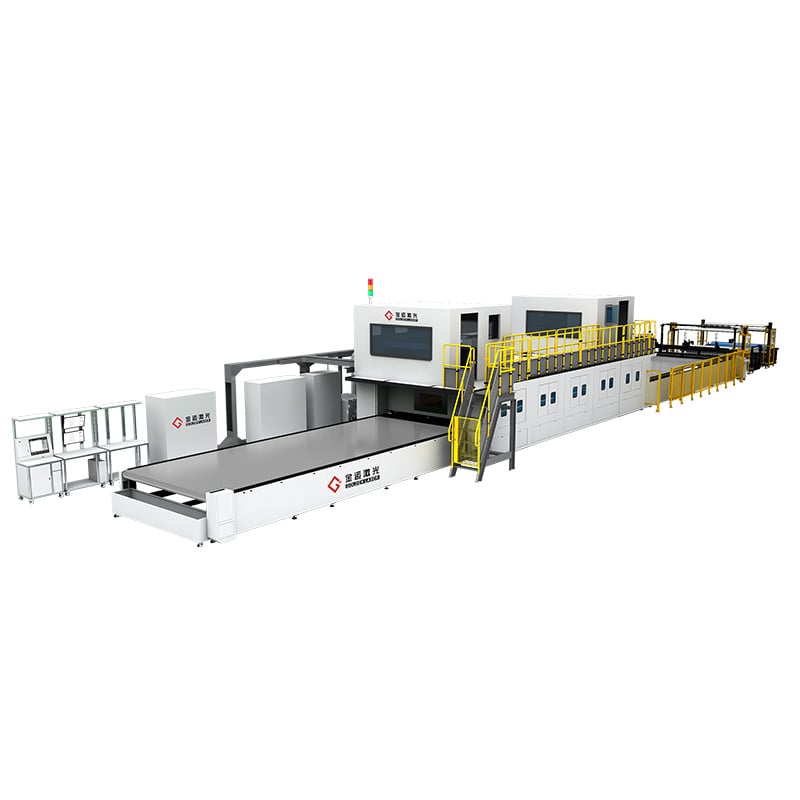
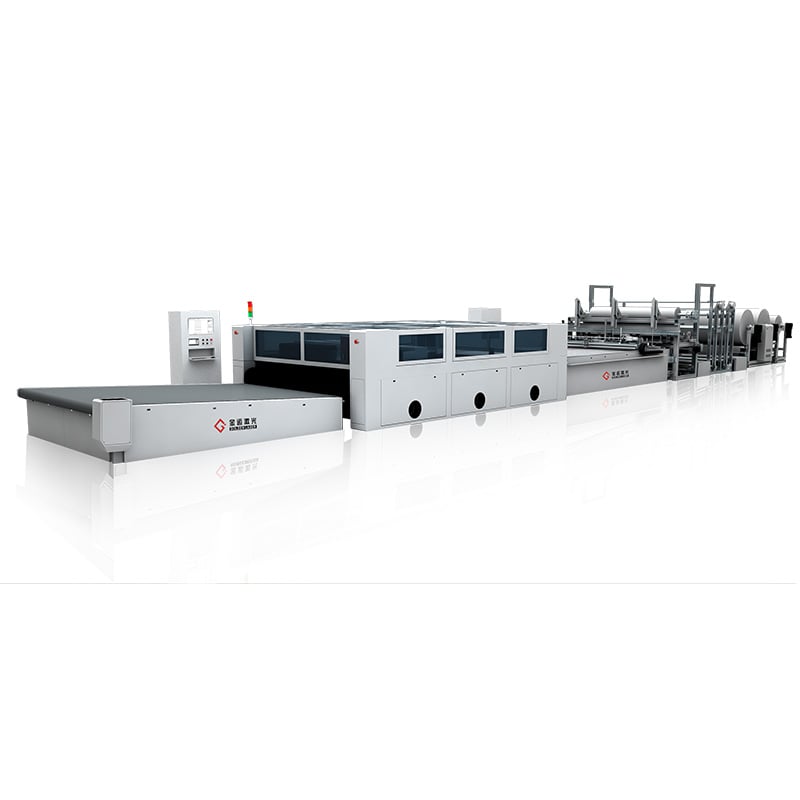
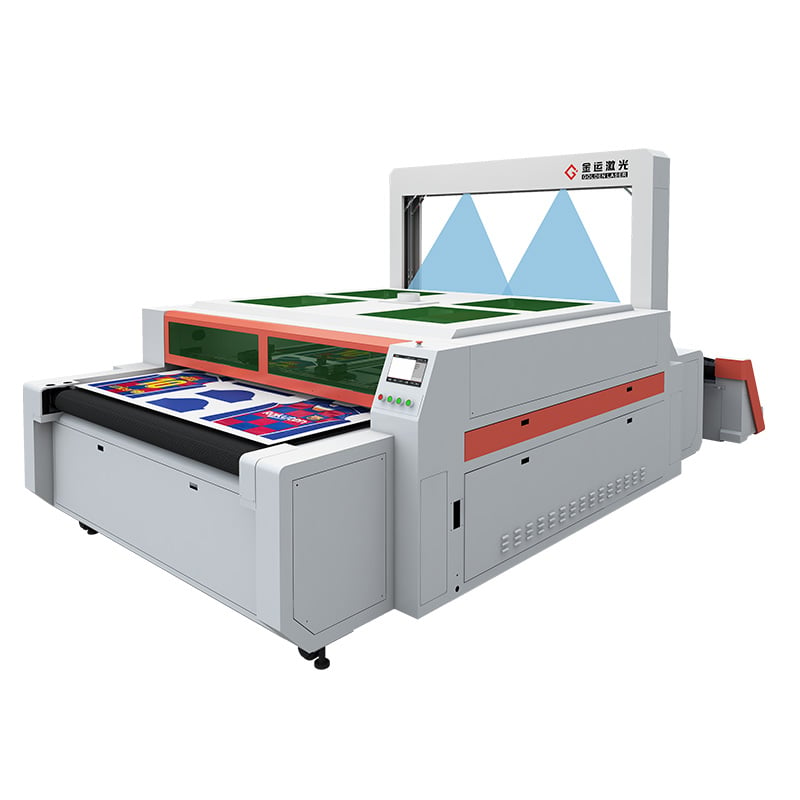
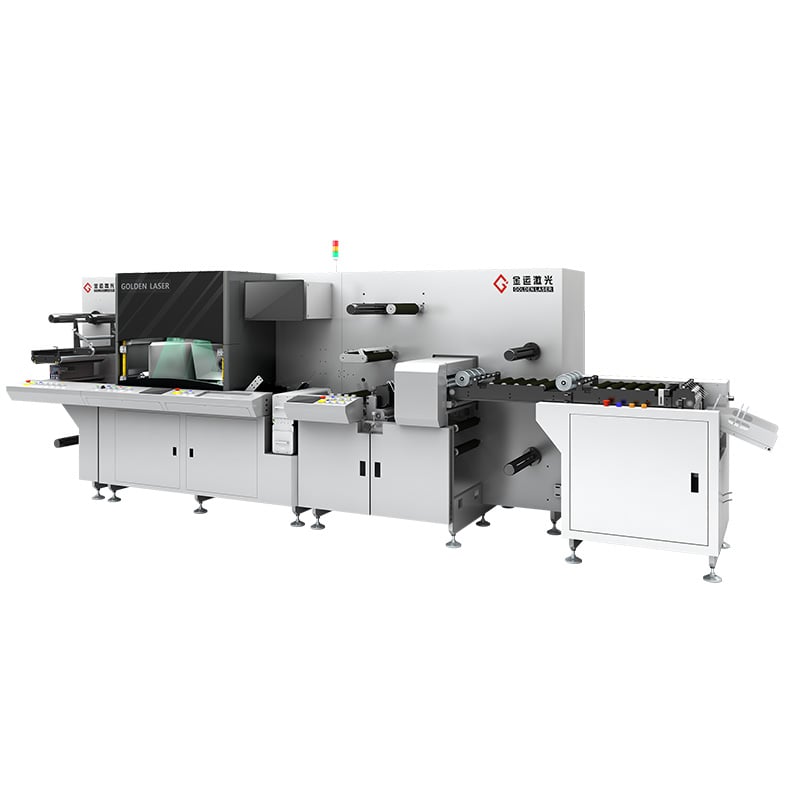
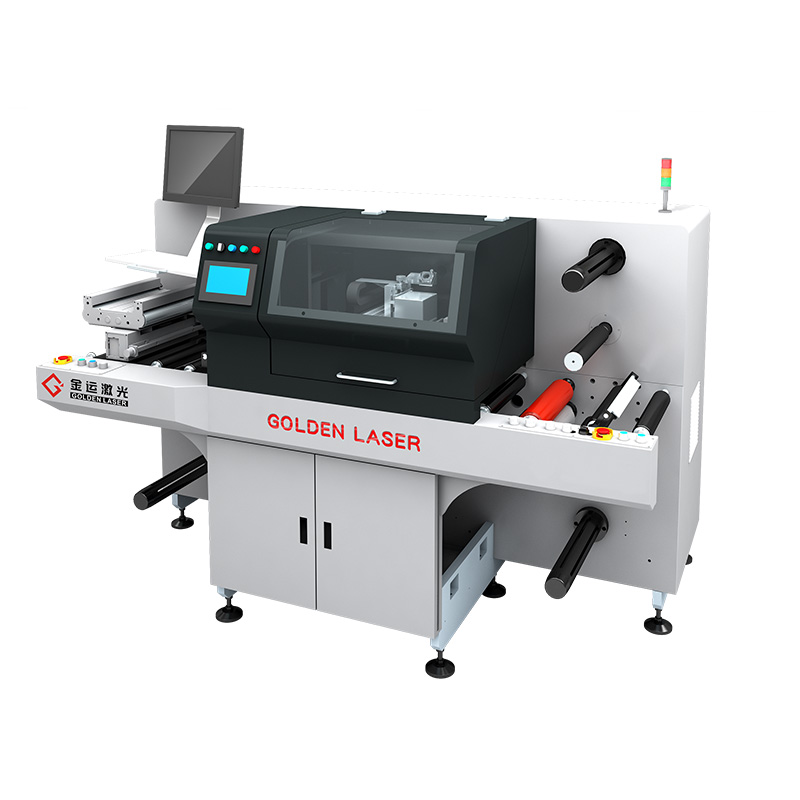
When sourcing laser cutting solutions for textiles, it is crucial  to  consider manufacturers with proven expertise and  a strong  track record  in the industry. Companies  like Golden Laser, with over 20 years  of experience, offer a range of high-performance laser cutting systems tailored  for different  applications, including automotive textiles.

Buyers should  evaluate potential suppliers based on several factors:

Technical Expertise:  Look for manufacturers that specialize in laser cutting technology and have a deep understanding of  textile  properties.  Customization Capabilities: Ensure the supplier can tailor solutions to meet specific design requirements and material types. Material Testing:  Reliable suppliers should provide extensive material testing to guarantee optimal  cutting  performance for various textiles. Customer  Support: A strong  customer-centric service approach  is essential for addressing any challenges that may arise during the implementation of laser cutting solutions.
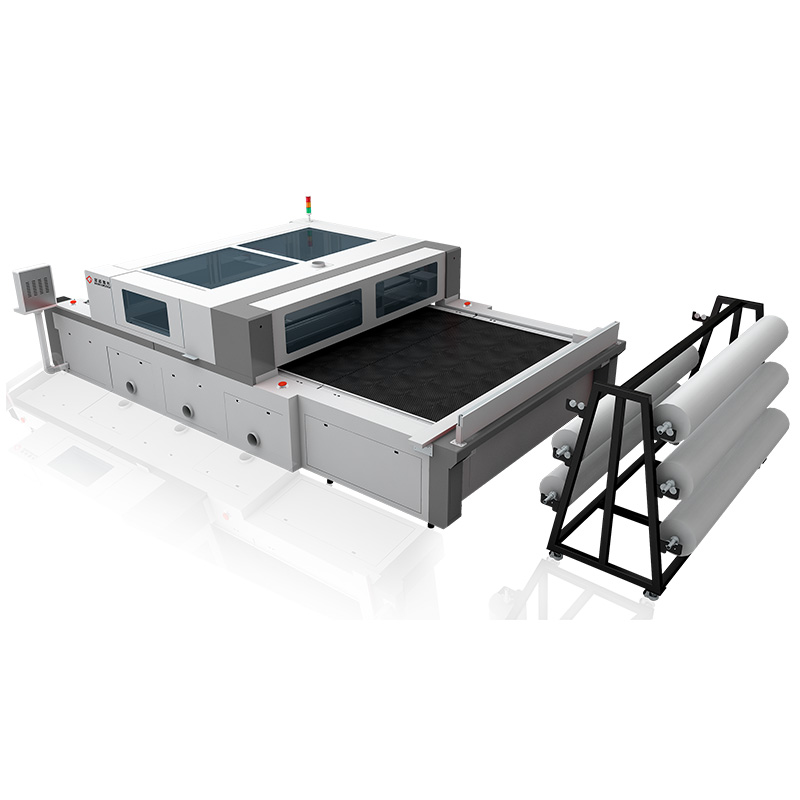
Cost Factors to Evaluate for Laser Cutting Car Interior Textiles

Cost Factors to Evaluate for Laser Cutting Car Interior Textiles

Understanding  the cost structure of laser cutting services is vital for making informed purchasing decisions. Several  factors  influence the overall  cost of laser-cut textiles for car interiors:

Material Type: The choice of  textile  significantly  affects pricing. High-performance materials may come  at a premium but  can offer  better durability and aesthetics. Complexity of Design: Intricate designs typically require more  time and  processing power, leading to higher  costs.  Consider the balance between design complexity and  budget  constraints. Production Volume:  Larger production runs can reduce the per-unit cost, as initial setup  costs are spread  across a greater number of units. Buyers should assess their expected order quantities to optimize pricing. Customization Needs: Custom features—such as unique cuts, patterns, or branding—can add to the overall cost. Discuss customization options with suppliers to understand their impact on pricing.
Common Problems in Laser Cutting Textiles and Effective Solutions

Common Problems in Laser Cutting Textiles and Effective Solutions

While laser cutting offers numerous advantages, it can present challenges  that buyers must be aware  of.  Here are some common issues  and their solutions:

Material Melting or Fraying: Some textiles may melt or fray during the cutting process. To mitigate this, it  is  essential to test materials beforehand and adjust laser settings based on the specific fabric type.  Inconsistent Cutting Quality: Variations  in performance can  occur due  to  differences in material  thickness or properties. Regular maintenance of laser cutting equipment and thorough training for operators can  enhance consistency. Sample  Approval Delays: Buyers often encounter delays in the  sample  approval  process when moving from design to production. Establishing clear communication channels and timelines with suppliers can facilitate  quicker approvals and  prevent production  setbacks.

How to Install Laser Cutting Systems for Automotive Applications

Installing laser  cutting systems requires  careful planning to ensure optimal performance and integration into existing  manufacturing processes. Here are key considerations for a successful installation:

Site Preparation: Ensure  that the installation site meets the necessary requirements, including space for the equipment, power supply, and ventilation. Proper  site preparation can prevent operational disruptions. System Configuration:  Collaborate with the  supplier to  configure  the laser cutting system according to the specific needs of  your applications. This may involve customizing software settings for different textile materials. Training and Support: Providing thorough training for operators is essential for  maximizing the system's  capabilities. Ensure that the supplier offers comprehensive support during  and after the  installation process. Quality Control Integration: Implement quality control measures into the workflow to monitor the cutting process. Regular inspections  can help identify issues early, ensuring product consistency and reducing waste.

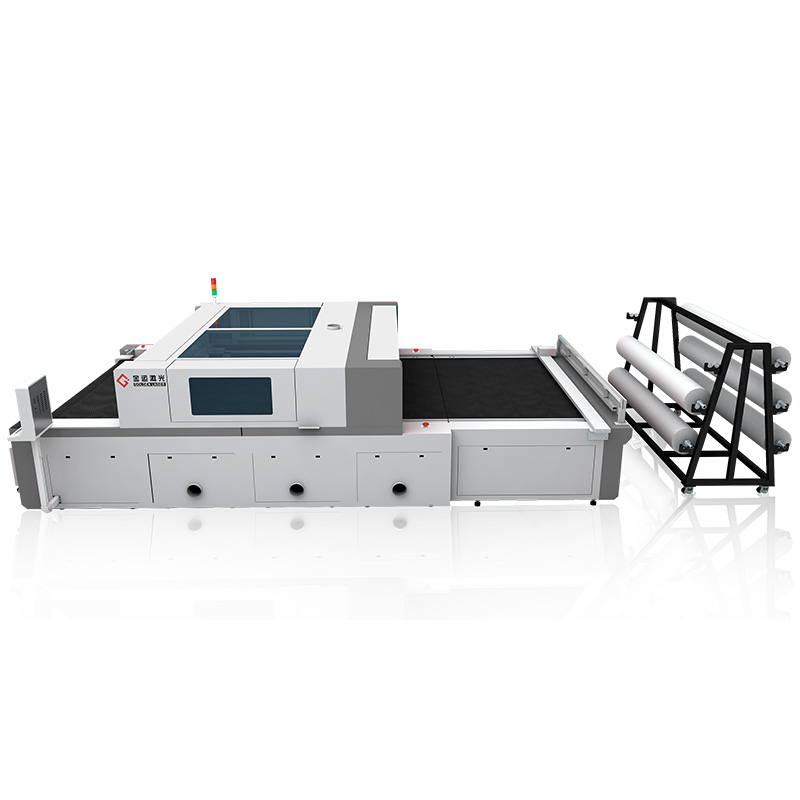
By understanding these aspects,  purchasing managers and product managers can make informed decisions when integrating  laser cutting  technology into their automotive textile production processes, ultimately enhancing the quality  and efficiency of their products. Additionally, exploring options like the Flatbed Laser Cutting System can provide more tailored solutions for specific production needs.

Laser-Cut Textiles for Car Interiors

Laser cutting technology offers significant advantages for producing  car interior textiles, such as seat covers, headliners, and door panels. This method provides precise cuts with minimal material waste,  allowing manufacturers to use high-quality fabrics like synthetic leather, polyester, and natural fibers effectively. The precision of laser cutting also ensures clean  edges, reducing the need for  additional finishing  processes, which can save time and costs in  production.

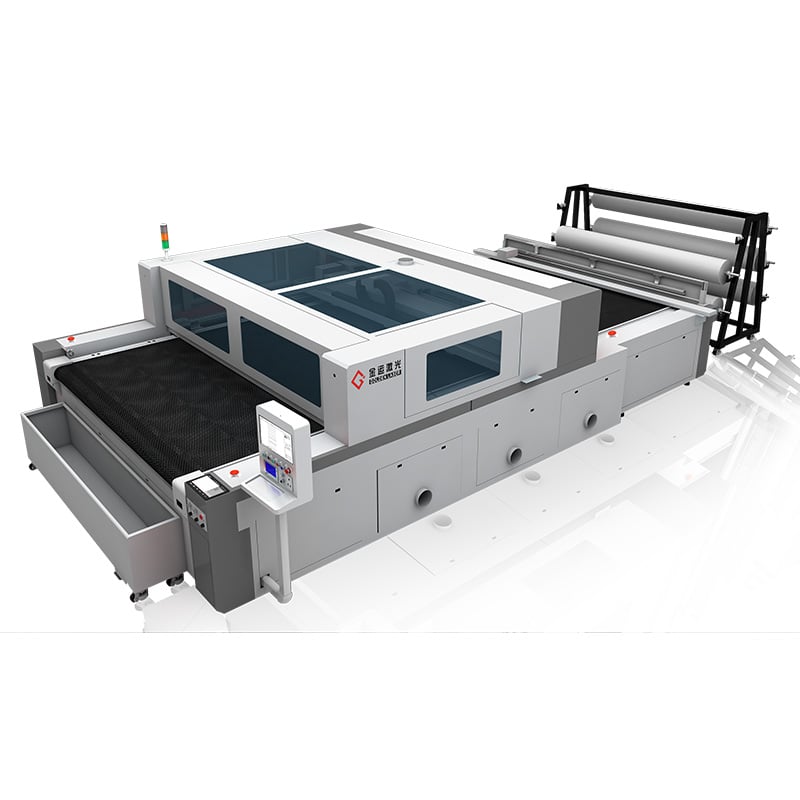
Moreover, laser cutting is compatible  with  various textile types,  enabling  manufacturers  to create intricate designs and patterns that  enhance the visual appeal of car  interiors. For instance, the technology can  seamlessly  incorporate branding elements or unique textures that cater to specific customer preferences.  As a result, automotive  brands  can differentiate their  products in a competitive market. Additionally, the adoption of systems like the Visual Laser Cutting System can greatly enhance these capabilities.

Get a Free Quote

Our representative will contact you soon.
Email
Name
Company Name
Message
0/1000

Related product categories