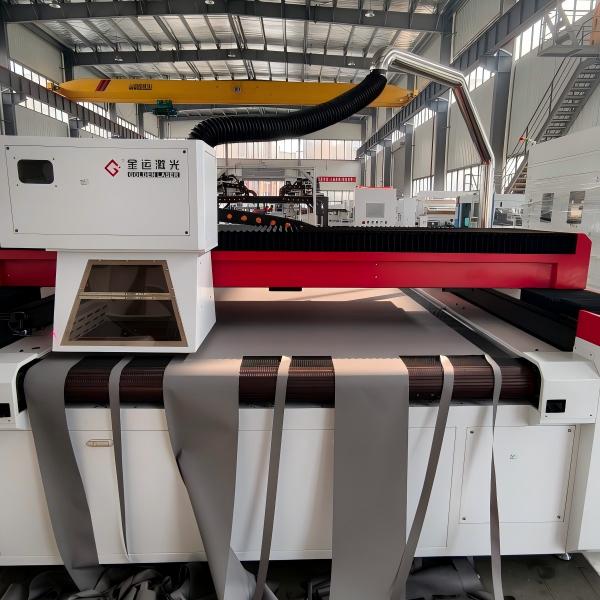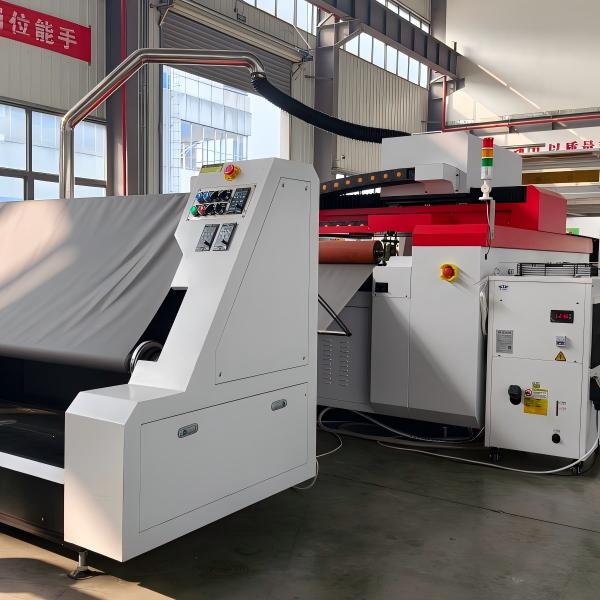
CO2 laser engraving cutting machines are essential tools in various industries, allowing for precise and efficient cutting and engraving of materials such as wood, acrylic, glass, and metal. For purchasing managers and engineers, selecting the right CO2 laser engraver involves understanding performance capabilities, cost factors, and specific applications. This article will provide insights into how to choose the right machine, common challenges, and the advantages of CO2 laser cutting technology, enabling buyers to make informed decisions.
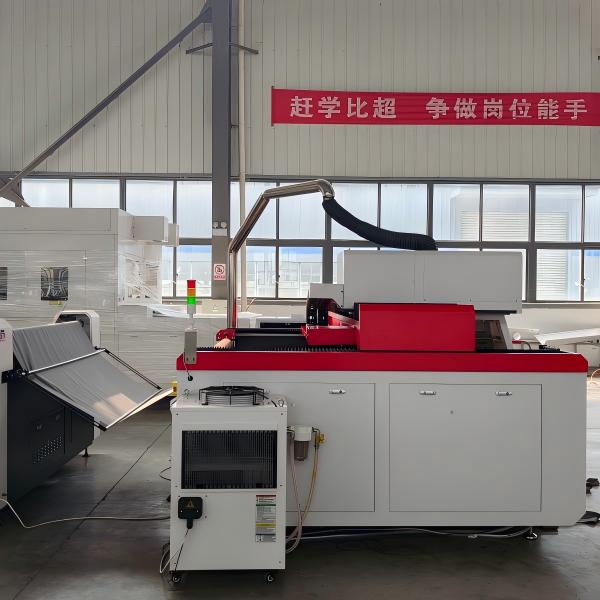
Performance and Cost Factors
When evaluating the performance and cost of CO2 laser engraving machines, several metrics come into play. The initial purchase price is just one aspect; ongoing operational costs, such as maintenance and consumables, can significantly impact total ownership costs.
Power output, measured in watts, is crucial for determining the machine's cutting and engraving capabilities. Higher wattage generally translates to faster cutting speeds and the ability to handle thicker materials, but it also comes at a higher cost. For instance, a 100W laser cutter may be more expensive upfront compared to a 60W model but could save time and labor costs in the long run.
Moreover, consider the machine's efficiency and the quality of the finished product. Machines with advanced features like higher resolution optics can produce finer details, which may be essential for specific applications such as signage or intricate designs. Additionally, evaluate the warranty and customer service offerings, as these can mitigate risks associated with your investment.