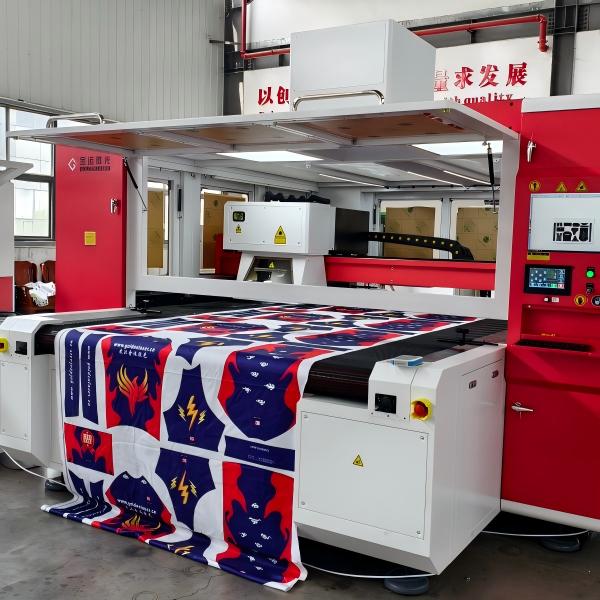
Key Considerations for CO2 Laser Machines

Get a Free Quote

Our representative will contact you soon.
Email
Name
Company Name
Message
0/1000

co2 laser machine

The CO2  laser machine is a  versatile tool  used  for cutting, engraving,  and marking  a variety  of materials across diverse industries. When considering  bulk orders, potential buyers often  face  concerns  about performance,  compatibility, and cost factors.  This article aims  to provide insights into evaluating  CO2 laser machines,  addressing  key specifications, quality features, pricing, common  problems, and essential  buyer information to facilitate informed purchasing  decisions.
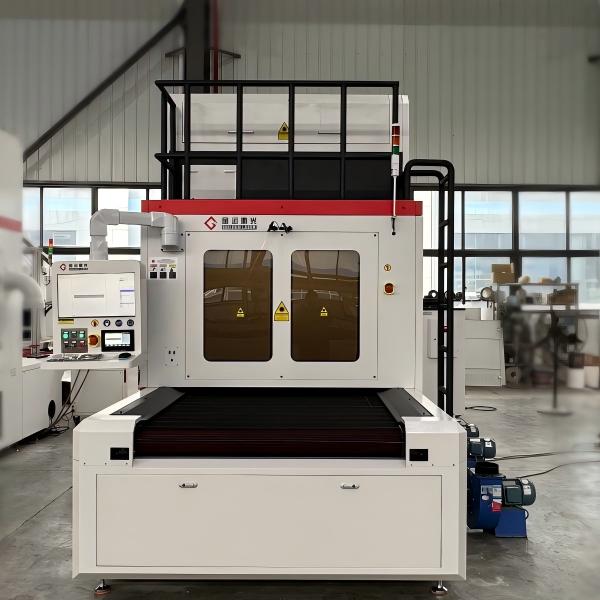
Quality Features for Wholesale Buyers

Quality Features for Wholesale Buyers

Quality  features are paramount for wholesale buyers looking to invest  in CO2  laser machines.

Build Quality: The construction material of the  machine affects its durability and performance. A robust frame  minimizes vibrations during operation, leading to more precise cuts and engravings.

Optical Components: The quality of lenses and mirrors  significantly influences the efficiency of laser transmission. High-grade optics can reduce energy loss, leading to better performance and longer service life.

Software Compatibility: Ensure that the machine comes with  user-friendly  software that supports  various file formats. Compatibility with  design software and the ability to easily adjust  settings can streamline workflow and reduce training time.

Customer Support and Service: A reliable manufacturer  should  provide extensive customer support, including installation, training, maintenance, and troubleshooting. Rapid response  times and availability of spare parts  are also critical for minimizing downtime.

Warranty and  Certifications: A solid warranty  and necessary certifications (such as CE or ISO) signify  a manufacturer’s commitment to quality  and safety standards. Buyers should request documentation to confirm compliance  with industry regulations.
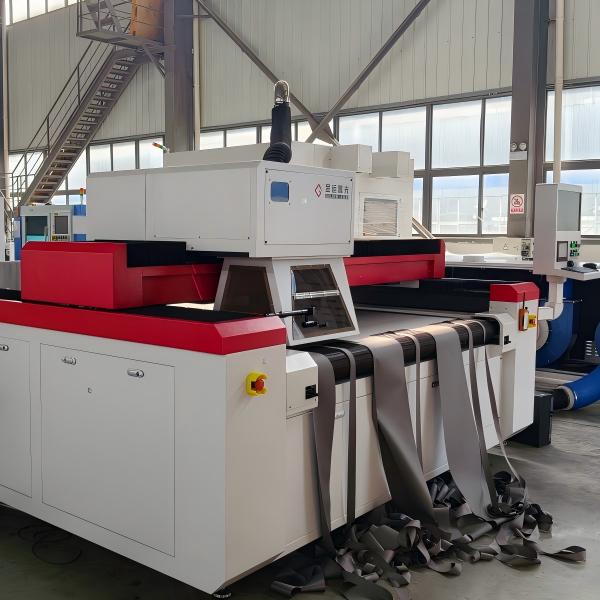
Understanding Cost Factors for CO2 Laser Machines in Large Purchases

Understanding Cost Factors for CO2 Laser Machines in Large Purchases

The  cost of CO2 laser  machines can vary widely based on several factors:

Initial Cost vs. Long-Term Value: While a lower initial price may be attractive, consider the long-term operational costs, including maintenance, energy  consumption, and potential downtime. A more expensive machine with higher reliability  may ultimately offer better value.

Customization Options:  If custom features or configurations  are required, these can significantly impact the overall cost. Accurate  estimates should  be obtained based on specific production needs.

Volume  Discounts:  Bulk orders  typically allow  for negotiation on pricing. Engaging with suppliers about potential  volume discounts can lead to significant savings.

Shipping and Handling: Consider the costs associated with shipping and  installation, especially for larger machines. These costs can add up and should be factored into the total budget.

Training and Support Costs: Ensure  to include  any training expenses  for staff on new equipment operation, as  this can affect overall costs and efficiency.

Common Problems with CO2 Laser Machines and Their Solutions

Common Problems with CO2 Laser Machines and Their Solutions

Every manufacturing  tool has its challenges, and CO2  laser machines are no exception. Here are some common problems and their solutions:

Inconsistent Cutting Quality: This issue may arise from misaligned optics  or a dirty lens. Regular maintenance, including cleaning  lenses and mirrors, and ensuring proper alignment can mitigate this  problem.

Material Warping: Excessive heat can cause materials to warp.  To address this, consider using lower power  settings or  adjusting the speed  of operation to minimize heat  buildup.

Software  Glitches: Software issues can disrupt production. Keeping software updated and having IT support readily available can help resolve these problems quickly.

Frequent Downtime: This  may indicate underlying mechanical issues. Establish a routine maintenance schedule to address wear and tear, and invest in quality components to enhance reliability.

Safety Concerns:  CO2 lasers can pose safety  risks if not operated  correctly. Ensure comprehensive  training for operators and  implement safety protocols, including protective  eyewear  and proper ventilation systems.

What Buyers Need to Know

Before placing an order for a CO2 laser machine, buyers should consider the following:

Requesting  Quotes: When preparing to request a quotation,  be specific about the machine type, model, desired specifications, and expected production volume. This information will  enable suppliers to provide more accurate  pricing and lead times.

Sample Approval: Always request a sample or prototype to evaluate the machine's performance before mass production. This helps verify that the machine  meets your quality standards and  application requirements.

Lead Times: Understand typical lead times  for production and delivery. This is  especially important if the machines are  needed by a specific date to avoid production delays.

Post-Purchase Support: Clarify the extent of  post-purchase support, including training, maintenance, and spare parts availability. A  manufacturer that offers robust after-sales support can greatly enhance your operational efficiency.

Comparing Suppliers: Evaluate potential suppliers based on their industry reputation,  customer reviews, and experience. A manufacturer  with a strong track  record in laser machine production can provide assurance of quality and reliability. If considering options for more specialized tasks, the Laser Die Cutter for Film and Tape is also worth exploring.

By considering these key factors, buyers can make informed decisions  when purchasing CO2 laser  machines, ultimately enhancing their  manufacturing capabilities and ensuring a good return on  investment.

Key Specifications to Evaluate in CO2 Laser Machines for Bulk Orders

When evaluating CO2 laser machines for bulk orders,  several  key specifications are crucial for ensuring the  right fit for your  applications.

Power Output: The wattage of the laser machine determines its cutting  depth and speed. Higher wattage typically allows  for cutting thicker materials, while lower wattage may suffice for engraving or  cutting thinner substrates. Buyers should assess the types of materials they will be processing to determine the appropriate power level.

Bed Size: The size of the cutting area is essential for accommodating larger materials or multiple pieces in a single pass. Ensure the bed dimensions align with your production needs, as this can impact efficiency and throughput.

Speed and Precision: The  cutting speed (measured in mm/s) and accuracy (often detailed in mm tolerances) are vital for achieving the desired outcomes. Faster machines  reduce production time but may compromise precision,  so a balance must be struck based on  the application.

Cooling System: A CO2 laser machine's cooling system is critical for maintaining optimal operating temperatures. Water-cooled systems tend to provide better performance  and longevity compared to air-cooled options, especially  during extended use.

Material  Compatibility: Verify  the machine's ability to work with various materials such as  acrylic, wood, leather,  and  certain metals. Each material may require different settings and lens configurations, so understanding these  requirements is essential. For those looking for specialized solutions, the Visual Galvanometer Laser Cutting System may be a suitable option.

Get a Free Quote

Our representative will contact you soon.
Email
Name
Company Name
Message
0/1000

Related product categories