
Large Format Laser Cutters for Precision Cutting

Get a Free Quote

Our representative will contact you soon.
Email
Name
Company Name
Message
0/1000

large format laser cutter

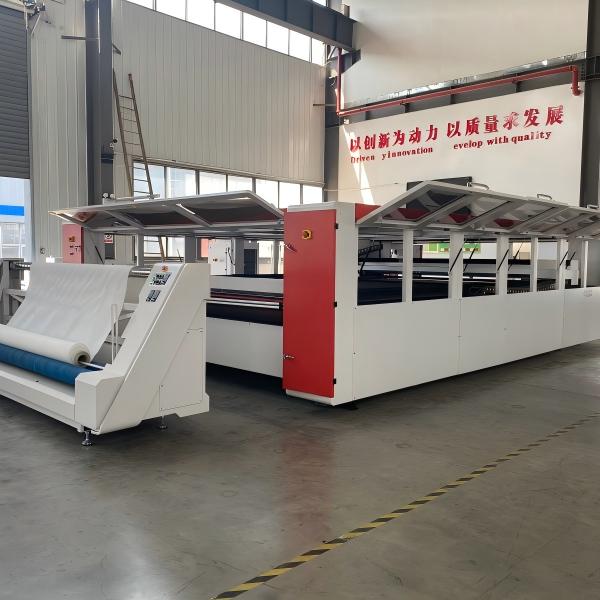
Large format laser  cutters  are advanced machines designed to  deliver  precise cutting and engraving of  a variety of  materials, making  them invaluable in industries such  as printing, packaging,  signage, and automotive.  As  a  purchasing  manager or product  manager, you may  have specific concerns regarding performance,  material compatibility, and the overall  reliability of these systems. This article will guide you  through the  essential specifications to consider, provide tips for wholesale purchasing, evaluate quality indicators, clarify installation requirements, and explore the diverse applications of large format laser cutters.
 
Wholesale Purchasing Tips for Large Format Laser Cutters

Wholesale Purchasing Tips for Large Format Laser Cutters

When considering purchasing large format laser cutters in wholesale quantities, certain strategies can enhance your procurement  process:

Request Comprehensive Quotes: Provide  suppliers with detailed specifications, expected volumes, and any customization needs. This ensures the quotes you receive are accurate and reflective of your requirements.

Evaluate Total Cost of Ownership:  Beyond the initial purchase price, consider ongoing costs such as  maintenance, replacement parts, and energy  consumption. A lower upfront cost  may lead to higher long-term expenses.

Seek Supplier References: Reach out to other  businesses that have purchased from your shortlisted suppliers. Their experiences can provide insights into the machine's performance and  the reliability of the supplier’s  service.

Negotiate  Terms: Don't  hesitate to negotiate contract terms, including payment schedules, warranty lengths, and after-sales support. Establishing a good relationship with the supplier can lead to better deals.

Consider  Lead Times:  Understand the supplier's  production and delivery timelines. If your projects are time-sensitive, make sure the lead times align with your production schedules.

Implementing these tips  can streamline  your  purchasing process,  ensuring you secure the best  equipment at competitive  prices. Additionally, exploring a Flatbed Laser Cutting System could provide further advantages based on your specific needs.
Evaluating the Quality of Large Format Laser Cutting Systems

Evaluating the Quality of Large Format Laser Cutting Systems

Quality evaluation of large format laser cutting systems involves several steps:

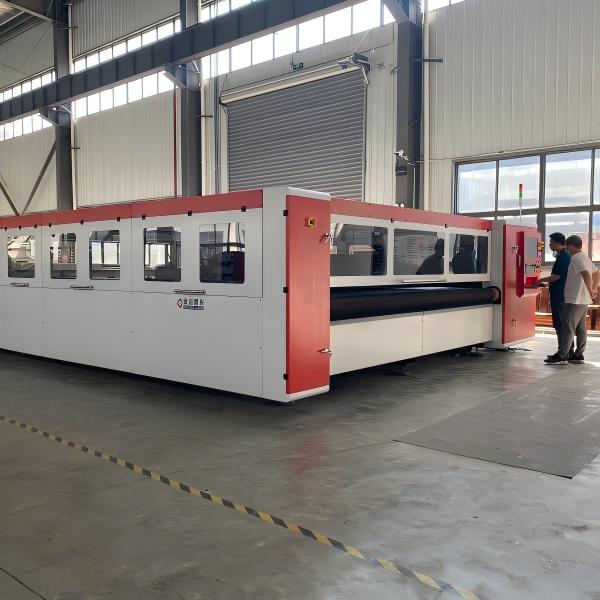
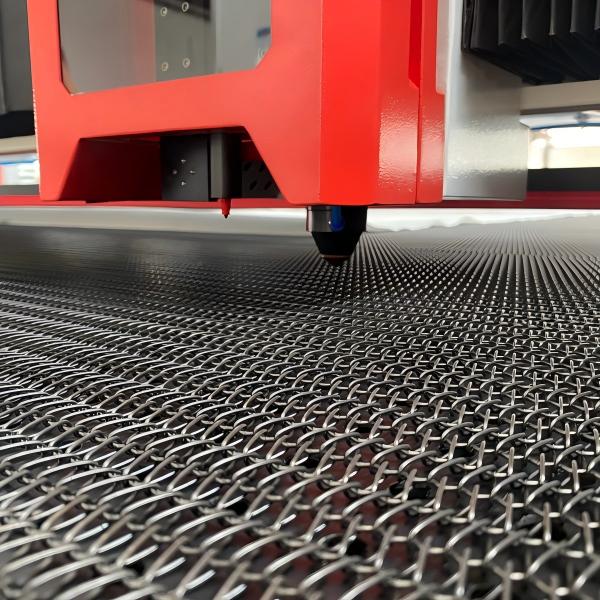
Materials Used: Investigate  the materials that comprise the machine.  High-grade components lead  to enhanced durability and performance. Look for machines  with  robust frames and  quality optics for long-term reliability.

Testing and  Certifications: Ensure that the laser cutter has passed relevant performance and safety tests, such as CE or ISO certifications. These certifications  indicate adherence to international safety  and quality standards.

Sample Cuts: Request sample cuts from the supplier before finalizing your purchase. This allows you to assess the machine’s cutting precision, edge quality, and overall performance  on your specific materials.

Customer Support  and Training: Evaluate the level of customer support offered. A reputable supplier should provide comprehensive training and ongoing assistance to  help you maximize the machine's capabilities.

User Reviews  and Case Studies: Look  for reviews from current users or case studies  from similar industries.  This feedback  can provide a practical perspective on performance and customer satisfaction.

By following these evaluation steps,  buyers can make informed decisions, ensuring their  investment meets  quality expectations.

Understanding Installation Requirements for Laser Cutting Machines

Understanding Installation Requirements for Laser Cutting Machines

Correct installation of large format laser cutting  machines is crucial for optimal performance. Here are key considerations:

Space and Layout: Ensure that the installation site has  adequate space for the machine and allows for safe operation. Consider the layout for material handling, operator access, and maintenance.

Power Supply:  Confirm  that the electrical  supply meets the machine's requirements. You may need a dedicated circuit  to handle the machine's power needs, particularly for  high-wattage systems.

Ventilation and Exhaust: Proper ventilation is essential  to manage  fumes and  particles  generated during cutting. Ensure that  the  installation includes effective exhaust systems to  maintain air quality.

Alignment and Calibration: Post-installation calibration is necessary to ensure precise cutting. Engage a qualified technician to  set up and calibrate the machine  according to the manufacturer’s specifications.

Safety Measures: Follow all  safety guidelines provided by the manufacturer. This includes installing safety interlocks, emergency stops, and ensuring proper training for operators.


Understanding  these installation  requirements will help ensure that the laser cutter operates efficiently and safely in your facility.

Applications of Large Format Laser Cutters in Various Industries

Large format laser cutters  find diverse applications across multiple sectors:

Printing and Packaging: These machines are  used to cut intricate designs in  packaging materials, enabling custom shapes and sizes that enhance product  presentation and functionality.

Signage: Laser cutters can create  detailed  signage from materials such as acrylic, wood, and  metal, allowing for high-quality, customized designs for both indoor and outdoor use.

Automotive: In the automotive industry,  laser cutting is essential  for producing parts from various  materials, including metals and composites. This  technology allows for rapid prototyping and production  of intricate components.

Textiles:  In  the fashion and upholstery industries, large format laser cutters can precisely cut  fabrics, enabling detailed designs while minimizing  waste.

Industrial  Applications: Many industrial sectors utilize  laser cutting  for creating custom parts, prototypes, and tools, benefiting from the technology's precision  and efficiency.

By understanding the extensive applications of large format laser cutters, buyers can better align their procurement with industry-specific needs, maximizing the investment's return.

Key Specifications to Consider When Sourcing Laser Cutting Machines

When sourcing large format laser cutters, several key specifications will significantly impact performance and suitability for your intended applications:

Laser Type: CO2 and fiber lasers are the  most  common. CO2 lasers are effective  for  cutting non-metal materials like wood, acrylic, and textiles, while fiber lasers excel in cutting metals due to their higher energy efficiency and speed.

Cutting Area: The machine's bed size dictates the maximum dimensions of  materials you can process. Ensure the cutting area aligns with your  typical  project sizes  to avoid limitations during production.

Power Rating:  Measured in watts, this specification affects cutting  speed and material thickness capabilities. A higher wattage is necessary for cutting thicker materials or achieving faster processing times.


Speed and Precision: Look for specifications that detail the maximum cutting speed (usually in mm/min) and the precision (measured in mm). These figures are  crucial  for ensuring  efficient and accurate production.

Cooling System: An efficient cooling system is vital for maintaining optimal performance and prolonging the machine's lifespan. Consider water-cooled systems over air-cooled ones for better thermal management.

Software  Compatibility: Check  if the machine's software is compatible with your existing systems and  if it supports the file formats you  typically use for design.

Understanding  these specifications will help  you match the right laser cutter to your operational needs, ensuring that you invest in a machine that optimally serves your production requirements. For instance, if you require high precision in cutting, you might want to explore a Visual Laser Cutting System for advanced applications.

Get a Free Quote

Our representative will contact you soon.
Email
Name
Company Name
Message
0/1000

Related product categories