Laser die cutting machines are essential tools in modern manufacturing, providing high precision and efficiency in cutting various materials. These machines leverage laser technology to create intricate shapes and designs with minimal waste, which is crucial for industries like printing, packaging, signage, and automotive. For purchasing managers and engineers, understanding how laser die cutting machines support high accuracy processing is vital for making informed decisions about equipment investments. This article will delve into key considerations for selecting the right machine, ensuring reliable processing, sourcing wholesale options, understanding cost factors, and exploring applications across various sector
Choosing the Right Laser Die Cutting Machine for Your Projects
When selecting a laser die cutting machine, several factors must be considered to ensure it meets your project's specific needs. First, evaluate the materials you plan to cut; different machines have varying compatibility with materials like paper, cardboard, plastics, or metals
Additionally, consider the machine's power and precision specifications. A higher wattage laser can cut through thicker materials but may not be necessary for lighter applications. For instance, a machine designed for cutting intricate designs in thin materials may require a different focus lens than one intended for thicker materials
Customization capabilities are also crucial. Determine if the machine can be tailored to accommodate unique project requirements, such as specific cutting patterns or tolerances. Finally, assess the manufacturer’s support and service offerings, as strong customer service can help mitigate downtime and ensure optimal machine performance throughout its lifecycle
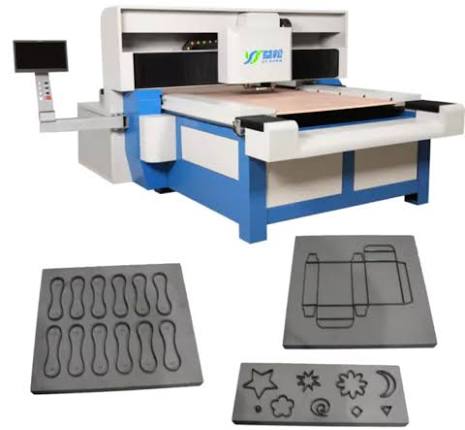
Ensuring Reliable Processing
Reliable processing in laser die cutting is essential for maintaining quality and efficiency. Factors that significantly impact processing reliability include machine calibration, maintenance routines, and the quality of the materials used
Regular calibration of the laser ensures that it cuts accurately to specifications, reducing the likelihood of errors that can lead to material waste. Establishing a consistent maintenance schedule will minimize potential machine failures and prolong lifespan, ultimately supporting uninterrupted production
In addition, using high-quality materials can significantly affect the cutting process. Inferior materials may produce inconsistent results and increase wear on the machine. Before production, it's advisable to conduct material tests to confirm compatibility and performance under operational conditions
Where to Source High-Quality Laser Die Cutting Machines Wholesale
Sourcing high-quality laser die cutting machines wholesale involves several steps to ensure you find a reliable supplier. Start by researching manufacturers with established reputations in the industry, like Golden Laser, which has over 20 years of expertise in producing high-performance laser cutting systems
Request samples or demonstrations of the machines you’re considering. This firsthand experience can provide insights into machine performance, reliability, and ease of use. Additionally, inquire about the supplier's warranty and service agreements, as these can indicate the manufacturer's confidence in their products and their commitment to customer support
Networking within industry-specific forums or trade shows can also connect you with reputable suppliers and provide opportunities to view machines in action. Always verify supplier credentials and read reviews from other buyers to gauge their reliability and product quality
Understanding the Cost Factors of Laser Die Cutting Technology
Understanding the cost factors associated with laser die cutting technology is crucial for budgeting and financial planning. The initial purchase price of the machine is only the beginning; consider additional costs such as installation, training, maintenance, and operational expenses
The complexity of the machine can influence its price. Advanced models with higher precision and automation features typically come at a premium. However, investing in higher-quality machines can lead to greater efficiency and lower per-unit costs in the long run
Operational costs, including power consumption and replacement parts, should also be factored into the total cost of ownership. It’s beneficial to request detailed pricing information from suppliers, including any potential discounts for bulk purchases or long-term commitments. Additionally, consider the potential for savings through reduced material waste and increased production speed, which can offset initial costs
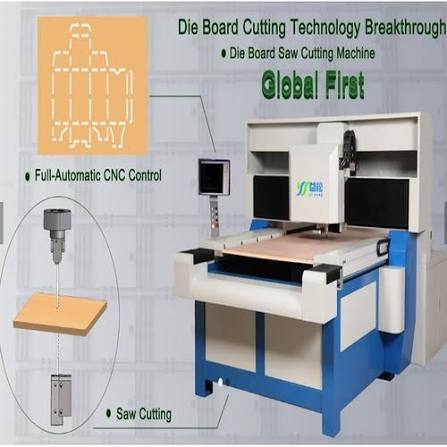
Applications of Laser Die Cutting in Various Industries and Sectors
Laser die cutting machines have diverse applications across multiple industries. In the printing and packaging sector, they are used to create intricate designs and cut shapes that enhance product presentation. The precision of laser cutting ensures that packaging elements fit perfectly, improving the overall consumer experience
In the signage industry, laser die cutting allows for the production of detailed and customizable signs with crisp edges. This capability is particularly useful for creating signs that need to withstand various environmental conditions
The automotive sector benefits from laser die cutting technology through its ability to produce high-accuracy components quickly. This is crucial for ensuring that parts fit together seamlessly in assemblies, which can impact overall vehicle performance and safety
Overall, the versatility and precision of laser die cutting machines make them invaluable tools across many sectors, helping businesses meet demanding production standards while maintaining high-quality outputs