Industrial laser cutters have become essential tools in modern manufacturing, streamlining production workflows and enhancing efficiency across various sectors. The integration of laser cutting technology can significantly reduce lead times, improve precision, and minimize waste, making it a compelling choice for purchasing managers, engineers, and product managers. This article will explore how industrial laser cutters improve production workflow, providing insights into key specifications, technology comparisons, and material advantages to help buyers make informed decisions
How Industrial Laser Cutters Enhance Production Efficiency
Industrial laser cutters leverage high-powered laser beams to cut through materials with remarkable accuracy and speed. By automating the cutting process, these machines significantly reduce manual labor, thus minimizing human error and labor costs. For instance, when integrating a laser cutter into a production line, manufacturers often experience a dramatic increase in throughput, as the machines can operate continuously without the fatigue associated with manual labor
Moreover, laser cutters can handle a wide range of materials—from metals to plastics—making them versatile for different applications. This adaptability allows manufacturers to diversify their product offerings without the need for multiple machines, ultimately enhancing operational efficiency. For example, a manufacturer serving both the automotive and signage industries can use the same laser cutter to produce components for vehicles and signs, reducing the need for specialized equipment
Furthermore, the precision of laser cutting results in cleaner edges and less material waste, which is crucial for cost management. The ability to nest parts efficiently on a material sheet ensures that every inch is utilized, significantly lowering raw material costs. This combination of speed, versatility, and precision makes industrial laser cutters a strategic investment for businesses looking to optimize their production workflow
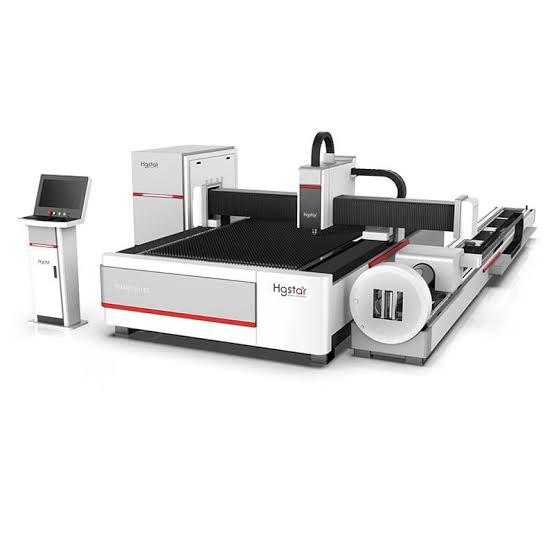
Key Specifications to Consider for Laser Cutting Machines
When evaluating industrial laser cutting machines, several key specifications should be assessed to ensure the equipment meets production needs
Laser Power: The power of the laser, typically measured in watts, dictates the thickness and types of materials the cutter can handle. Higher wattage allows for cutting thicker materials but may also increase operational costs
Cutting Speed: Measured in mm/min, this indicates how quickly the machine can cut materials. Faster cutting speeds can lead to higher productivity but may require balancing with precision to avoid quality issues
Work Area Size: The dimensions of the cutting bed are vital, especially for large-scale manufacturing. Ensure the work area can accommodate the largest components to be produced
Material Compatibility: Different laser cutting machines are suited for specific materials, such as metals, plastics, or composites. Understanding material requirements will help in choosing the right machine
Control System: A user-friendly interface with advanced software capabilities can enhance operational efficiency, allowing for easier programming and integration with existing systems
Maintenance and Support: Consider the manufacturer's support and warranty options. Machines that are easier to maintain and come with robust customer support can minimize downtime and operational disruptions
By closely examining these specifications, buyers can select a laser cutting system that aligns with their production requirements and operational goals
Comparing Laser Cutting Technologies for Your Production Needs
Laser cutting technology varies significantly, impacting its suitability for different applications. The three primary types are CO2 lasers, fiber lasers, and neodymium (Nd) lasers
CO2 Lasers: These are ideal for cutting non-metal materials such as wood, plastics, and acrylics. CO2 lasers are known for their versatility and are often used in signage and packaging industries. They can provide excellent cut quality and are relatively cost-effective for these applications
Fiber Lasers: More efficient for cutting metals, fiber lasers offer faster cutting speeds and lower operational costs. They excel in cutting reflective materials like aluminum and copper. As a result, fiber lasers are increasingly popular in the automotive and aerospace sectors where precision and speed are critical
Nd Lasers: While less common, Nd lasers are used for specific applications requiring high energy pulses, such as engraving and marking. They are suitable for applications where precision is paramount, but their use is more niche compared to CO2 and fiber lasers
When choosing a laser cutting technology, consider the materials to be processed, the required cutting speed, and the desired cut quality. Each technology presents unique advantages that can significantly influence production efficiency and cost-effectiveness
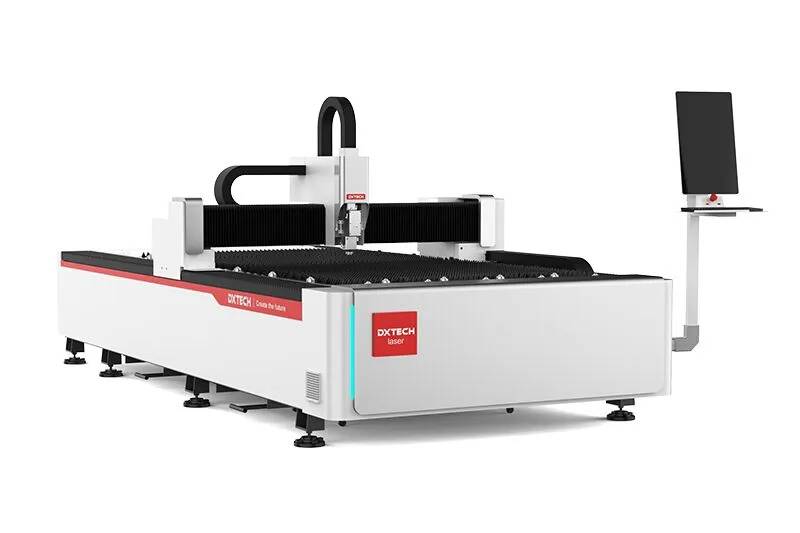
What Makes a Reliable Laser Cutter
A reliable laser cutter is characterized by several factors that directly impact performance and longevity
Build Quality: The construction of the machine should withstand heavy use, with durable materials and components that minimize vibration and maintain precision during operation
Technology Integration: Advanced features such as automatic height adjustment and advanced cooling systems can enhance cutting quality and machine reliability. These features help maintain optimal cutting conditions, particularly when working with varying material thicknesses
User-Friendly Interface: A machine that incorporates intuitive software for design and operation can reduce training time and increase productivity. Look for systems that offer compatibility with common design software
Service and Maintenance: A strong support network from the manufacturer, including routine maintenance options and easy access to replacement parts, can significantly reduce downtime. Consider manufacturers that provide extensive documentation and user support
Performance History: Researching reviews and case studies from other users can give valuable insights into the machine's reliability and performance in real-world applications. A proven track record in similar industries can indicate the machine's suitability for your needs
By evaluating these factors, buyers can ensure that they select a laser cutter that not only meets their production needs but also provides dependable performance over time
Understanding Material Advantages for Laser Cutting Processes
The choice of material plays a crucial role in the effectiveness of laser cutting processes. Different materials react uniquely to laser technology, influencing cutting speed, quality, and operational costs
Metals: Commonly processed metals include stainless steel, aluminum, and mild steel. Each metal type has distinct properties affecting cutting dynamics. For instance, stainless steel requires higher laser power and slower cutting speeds compared to mild steel due to its density
Plastics: Materials like acrylic and polycarbonate are popular for laser cutting due to their clean cuts and minimal melting. However, the specific type of plastic can influence the ideal cutting settings and speed
Composites: These materials, often used in aerospace and automotive applications, can present challenges due to their layered structures. Understanding the interaction between the laser and composite materials is essential to prevent delamination during cutting
Thickness: The thickness of the material directly affects the required laser power and cutting speed. Thicker materials require more energy, which can lead to increased operational costs and longer cutting times
Buyers should assess the material types they intend to work with and confirm the machine's capabilities to handle those materials effectively. This consideration will not only optimize production workflows but also ensure that quality standards are met in the finished products
In summary, selecting an industrial laser cutter involves careful consideration of production efficiency, machine specifications, technology comparisons, reliability, and material compatibility. By understanding these aspects, buyers can make informed decisions that enhance their manufacturing processes and meet their operational goals