CO2 laser cutting machines are essential tools for various industrial applications, offering precision and efficiency in cutting a wide range of materials. Understanding what makes CO2 laser cutting machines reliable for industrial use is crucial for B2B buyers, such as purchasing managers and engineers, who need to ensure they invest in the right technology. This article will explore key considerations, specifications, common issues, material advantages, and guidelines for selecting the right CO2 laser cutting machine for your projects
What Makes CO2 Laser Cutting Machines Ideal for Wholesale Purchase
CO2 laser cutting machines provide significant advantages for wholesale purchase, particularly in terms of versatility and operational efficiency. With the ability to cut through various materials—such as plastics, wood, cardboard, and textiles—they are ideal for sectors like printing, packaging, and automotive industries. Their high precision ensures clean cuts and reduces material waste, which is a critical consideration for manufacturers aiming to optimize production costs
Furthermore, CO2 laser systems generally require lower maintenance compared to other cutting technologies, making them an economical choice for long-term investment. Buyers can expect a return on investment not only from the reduction in operating costs but also from the high throughput these machines can deliver. This efficiency is particularly appealing for wholesalers who need to meet varied customer demands quickly and reliably
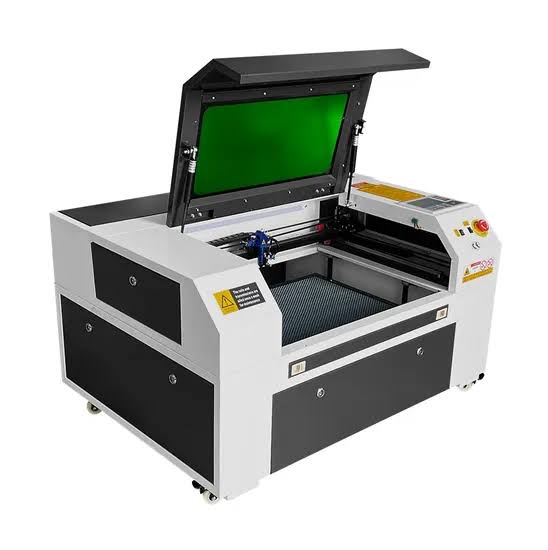
Key Specifications to Consider for CO2 Laser Cutting Machines
When evaluating CO2 laser cutting machines, several specifications should be prioritized
Laser Power: Measured in watts, the power of the laser impacts cutting speed and material thickness. A higher wattage allows for faster cuts and the ability to handle thicker materials
Bed Size: The size of the cutting bed determines the maximum material dimensions that can be processed. Buyers should consider their typical project sizes to select an appropriate machine
Cutting Speed: Expressed in mm/min, this specification indicates how quickly the machine can cut materials. Higher speeds can enhance productivity, especially for high-volume applications
Focus Lens: Different lens options can affect the precision of cuts and the quality of the finished product. Selecting the right lens is crucial for specific applications
Cooling System: CO2 laser cutting machines require efficient cooling to maintain optimal performance. Water-cooled systems tend to be more effective for industrial applications than air-cooled ones
Understanding these specifications helps buyers assess how well a CO2 laser cutting machine will meet their operational needs, ensuring they select a machine that aligns with their production goals
Common Problems with CO2 Laser Cutting Machines and Their Solutions
While CO2 laser cutting machines are generally reliable, users may encounter several common issues
Misalignment: If the laser beam is not properly aligned, it can lead to poor cutting quality. Regular calibration and maintenance checks are essential to ensure precision
Material Compatibility: Some materials may not cut well with CO2 lasers, leading to burn marks or incomplete cuts. Conducting material tests before production runs can help identify suitable materials for specific applications
Lens Contamination: Dust and debris on the lens can affect cutting performance. Implementing a regular cleaning schedule for optical components can prevent this issue
Cooling Failures: Overheating can lead to machine downtime. Ensuring the cooling system is functioning correctly and monitoring temperature levels can mitigate this risk
By addressing these potential challenges proactively, businesses can enhance the reliability and efficiency of their CO2 laser cutting operations
Understanding Material Advantages of CO2 Laser Cutting Machines
CO2 laser cutting machines excel at processing a variety of materials, each presenting unique advantages. For example
Acrylic: Offers excellent clarity and smooth edges, making it ideal for signage and displays. CO2 lasers can cut intricate designs with precision
Wood: Provides a clean cut with minimal charring, suitable for furniture and decorative items. The machines can also engrave detailed patterns on wood surfaces
Textiles: CO2 lasers can cut through multiple layers of fabric simultaneously, increasing production speed for the fashion and upholstery industries
Paper and Cardboard: The ability to cut and engrave these materials with precision allows for high-quality packaging solutions
Understanding the properties of materials that CO2 lasers can effectively process helps buyers make informed decisions when selecting machines for their specific applications
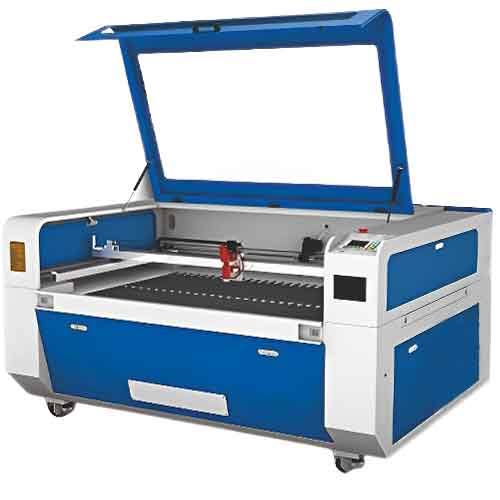
Choosing the Right CO2 Laser Cutting Machine for Your Projects
Selecting the right CO2 laser cutting machine involves assessing several factors based on project requirements
Application Needs: Understand the types of materials you’ll be cutting and their thicknesses. This determines the required laser power and bed size
Production Volume: For high-volume production, opt for machines with faster cutting speeds and larger bed sizes to enhance efficiency
Customization Requirements: If your projects necessitate specific features—such as different lens sizes or additional cooling systems—ensure that the manufacturer can accommodate these needs
Budget: While investing in high-performance machinery can be beneficial, consider the total cost of ownership, including maintenance and operational expenses, to ensure a sound financial decision
Supplier Reputation: Research potential suppliers to assess their experience and customer service capabilities. A supplier like Golden Laser, with over 20 years of expertise, can offer reliable support and service
By carefully evaluating these considerations, buyers can confidently select a CO2 laser cutting machine that aligns with their operational needs and enhances their production capabilities