When it comes to laser cutting airbag fabrics for automotive safety applications, selecting the right materials and technology is crucial for ensuring optimal performance and safety. As a purchasing manager, distributor, or engineer, you face several key concerns: the suitability of the materials, compatibility with existing systems, quality assurance, and cost-effectiveness. This article will guide you through the essential considerations, advantages of bulk orders, cost factors, technology choices, and best practices for sourcing laser-cut airbag fabrics.
What to Consider When Sourcing Laser Cutting Airbag Fabrics
When sourcing laser cutting airbag fabrics, several factors must be assessed to guarantee quality and performance. First, consider the material itself; fabrics must be able to withstand high stress and rapid inflation without compromising safety. Common materials include nylon and polyester, which are favored for their strength and durability.
Next, evaluate the specifications of the fabric, such as thickness and tensile strength. These attributes directly impact the airbag's ability to deploy effectively and protect passengers. Understand that the appropriate structure depends on the intended application; for instance, fabrics used in side airbags may require different characteristics than those used in front airbags.
Finally, confirm the supplier's quality assurance processes. Major manufacturers like Golden Laser utilize rigorous testing to ensure that materials meet industry standards, which is essential for compliance and safety in automotive applications.
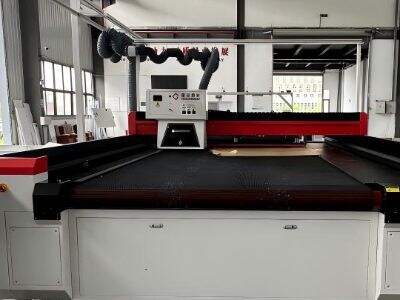
Bulk Order Advantages for Laser Cut Airbag Fabric Solutions
Bulk ordering laser-cut airbag fabrics can significantly reduce costs and streamline the production process. By purchasing in larger quantities, buyers often benefit from lower unit prices, which can lower overall project costs. Additionally, bulk orders can improve lead times since manufacturers are more likely to prioritize larger contracts.
Another advantage is the consistency in material and production quality. When ordering in bulk, you can ensure that all fabrics are sourced from the same batch, minimizing variations that can arise from different manufacturing runs. This consistency is critical for maintaining the safety and reliability of airbag systems.
Additionally, bulk orders can facilitate customization options. Manufacturers like Golden Laser can offer tailored solutions based on specific project requirements, including unique dimensions and performance characteristics, which may not be available for smaller orders.
Cost Factors to Understand for Laser Cutting Airbag Fabrics
Understanding the cost factors associated with fabric laser cutting machine fabrics is essential for effective budgeting. Several elements influence pricing, including material costs, production methods, and any required customization.
Material costs can vary significantly based on the type of fabric selected. High-performance materials, such as those that withstand extreme temperatures or resist abrasion, may carry a premium. Additionally, the complexity of the laser cutting process can affect pricing; more intricate designs and specifications typically require more time and resources.
It's also important to factor in shipping and handling costs, especially for bulk orders. Shipping larger quantities may lead to logistical considerations that can impact overall expenses. Lastly, always confirm any additional costs related to quality assurance and testing, as these are vital for ensuring compliance with safety regulations.
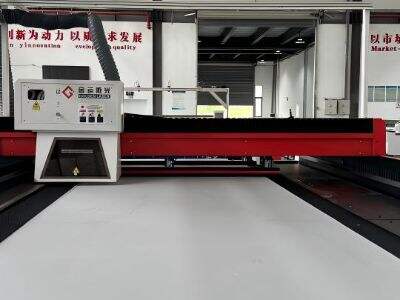
Choosing the Right Laser Cutting Technology for Your Needs
Selecting the appropriate laser cutting technology is vital for achieving the desired results in airbag fabric production. There are various laser cutting methods, including CO2 and fiber lasers, each offering distinct advantages.
CO2 lasers are commonly used for cutting synthetic fabrics due to their ability to produce precise cuts with minimal material distortion. They are particularly effective for thicker materials, making them suitable for the robust demands of airbag applications. On the other hand, fiber lasers offer faster cutting speeds and are known for their efficiency, especially with thinner fabrics.
When choosing the right technology, consider your production volume and the specific characteristics of the fabric. For example, if precision and intricate designs are essential, a CO2 laser may be preferable. However, if you require rapid production of simpler shapes, a fiber laser could be the better option.
Consulting with manufacturers like Golden Laser can provide insights into the most suitable technology for your specific needs, taking into account both performance and cost-effectiveness.
Best Practices and Tips
To ensure a smooth procurement process for leather fabric laser cutting machine , keep the following best practices in mind:
Request Detailed Quotations: When approaching suppliers, provide detailed specifications, including material type, dimensions, and performance requirements. This helps in receiving accurate quotes and reduces miscommunication.
Test Samples: Before committing to a large order, request samples of the fabric to assess quality and suitability. Testing samples under actual operating conditions can reveal any potential issues that might affect performance.
Evaluate Supplier Capabilities: Assess the manufacturing capabilities of potential suppliers. Look for experience with airbag fabrics and ask about their quality control processes, production capacity, and customization options.
Review Compliance Standards: Ensure that the fabrics meet relevant safety and quality standards. Verify the manufacturer's certifications and testing protocols to guarantee compliance with industry regulations.
Maintain Communication: Establish clear lines of communication with your supplier throughout the ordering process. This will help address any concerns or changes in requirements promptly.
By following these practices, you can enhance your purchasing decisions and ensure that the laser-cut airbag fabrics you source will meet the critical safety requirements of the automotive industry.