Laser cutting technology has become an essential tool in the manufacturing of 3M adhesive foam materials, enhancing precision and efficiency in production. This article will explore the intricacies of laser cutting technology specifically tailored for 3M adhesive foam, addressing the key specifications buyers should consider, the cost factors involved, and how laser cutting compares to traditional methods. Additionally, we will provide installation guidance to ensure seamless integration into your manufacturing processes. Understanding these aspects will help purchasing managers, engineers, and product managers make informed decisions when sourcing laser cutting solutions.
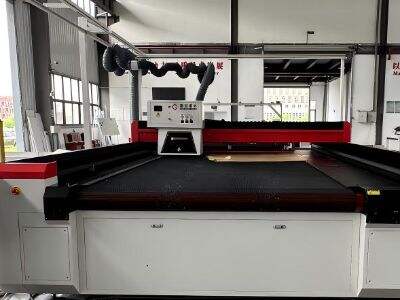
Understanding Laser Cutting Technology for 3M Adhesive Foam Materials
Laser cutting technology uses a high-powered laser beam to cut through materials with extreme precision. For 3M adhesive foam materials, this technology is particularly beneficial due to the need for clean edges and intricate designs without damaging the foam's adhesive properties. The process involves focusing the laser beam on the material, which melts, burns, or vaporizes it along the desired cutting path.
One of the main concerns for buyers is ensuring that the laser cutting process does not compromise the adhesive qualities of the foam. Since 3M adhesive foam is often used in critical applications—such as automotive components, signage, and packaging—maintaining integrity during cutting is crucial. Additionally, the laser cutting process can be optimized for various thicknesses and densities of foam, allowing for customization according to specific project requirements.
Key Specifications for Laser Cutting 3M Adhesive Foam Products
When evaluating laser cutting solutions for 3M adhesive foam, several key specifications should be considered:
Laser Power: The wattage of the laser affects its cutting speed and efficiency. Higher wattage lasers can cut through thicker materials but may also increase the risk of damaging the adhesive layer. It's essential to choose the right power level based on the foam thickness and desired cut quality.
Cutting Speed: Faster cutting speeds can enhance production efficiency but may sacrifice edge quality. Buyers should assess the trade-off between speed and precision to meet their production needs.
Focus Lens: The focal length of the lens affects the beam diameter, influencing the precision of cuts. A shorter focal length provides a smaller spot size, which is ideal for intricate designs but may require slower cutting speeds.
Assist Gas: The use of assist gases such as nitrogen or oxygen can improve cut quality by blowing away molten material. Understanding how these gases interact with 3M adhesive foam can help achieve optimal results.
Software Compatibility: The cnc fabric laser cutting machine should be compatible with design software commonly used in manufacturing. This ensures seamless integration into existing workflows and allows for easy modifications of cutting patterns.
Cost Factors When Sourcing Laser Cutting Solutions for Foam
Several cost factors must be evaluated when sourcing laser cutting solutions for 3M adhesive foam materials:
Initial Investment: The cost of laser cutting machine manufacturer machines varies significantly based on features, brand, and capabilities. Buyers should consider their budget and the long-term return on investment (ROI) when selecting a machine.
Operating Costs: Ongoing expenses such as energy consumption, maintenance, and consumables (e. g., lenses and assist gases) can affect the overall cost of ownership. It is vital to factor in these costs when evaluating different machines.
Customization Requirements: Customization can lead to higher costs but may be necessary to meet specific application needs. Buyers should discuss customization options with suppliers to ensure they understand the associated costs.
Training and Support: Effective training for operators can reduce errors and enhance productivity. Buyers should inquire about training programs offered by manufacturers and consider these costs in their budget.
Production Volume: The volume of foam being processed can impact pricing negotiations. Higher volumes may lead to discounts or more favorable terms from suppliers.
Laser Cutting vs. Traditional Methods
Laser cutting offers several advantages over traditional cutting methods such as die cutting or mechanical cutting, especially for 3M adhesive foam materials:
Precision: Laser cutting delivers high levels of accuracy, allowing for intricate designs and tight tolerances that are difficult to achieve with traditional methods. This is crucial when cutting foam for applications requiring specific dimensions.
Material Waste: Laser cutting typically generates less waste compared to die cutting, where excess material is discarded. This efficiency can lead to cost savings, particularly for expensive materials like 3M adhesive foam.
Flexibility: Laser cutting systems can easily switch between different designs without the need for physical changeovers, making it more adaptable for short runs and varying production needs.
Reduced Tooling Costs: Unlike die cutting, which requires expensive tooling and setup, laser cutting involves minimal upfront costs for tooling. This makes it a more cost-effective solution for small to medium production runs.
However, traditional methods may still be preferable for high-volume production where speed is paramount, and the setup costs can be justified.
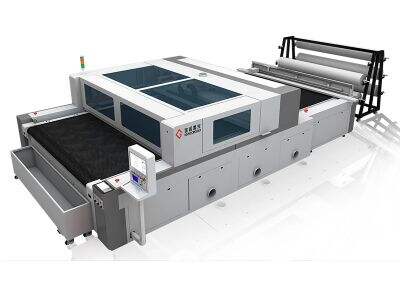
Installation Guidance for Laser Cutting Systems in Manufacturing
The successful installation of laser cutting systems for 3M adhesive foam materials involves several considerations:
Space Requirements: Ensure that the installation site has adequate space for the laser cutting machine, including room for maintenance access and material handling.
Ventilation: Laser cutting generates fumes and particles, necessitating proper ventilation systems to maintain air quality and comply with safety regulations. Installation should include exhaust systems to remove harmful byproducts.
Electrical Specifications: Verify that the electrical supply meets the machine's requirements. Insufficient power can lead to performance issues and increased operational costs.
Integration with Existing Systems: Consider how the new laser cutting system will interface with existing manufacturing processes. Ensuring compatibility with material handling systems, conveyors, and software can improve overall efficiency.
Operator Training: Proper training for operators is essential to maximize the machine's capabilities and maintain safety standards. Manufacturers often provide training resources that should be utilized during installation.
By addressing these installation considerations, manufacturers can ensure a smooth transition to laser cutting technology for 3M adhesive foam materials, enhancing production efficiency and quality.
Understanding the nuances of laser cutting technology tailored for 3M adhesive foam materials empowers buyers to make informed decisions, ultimately leading to enhanced production capabilities and product quality.