Laser die cutting machines are essential tools in various industries, providing precision cutting capabilities that enhance productivity and quality. The applications driving the demand for these machines are diverse, including packaging, signage, and automotive sectors. As a B2B buyer or purchasing manager, understanding these applications and the factors influencing machine selection is crucial for making informed decisions. This article will explore key considerations, common issues, and sourcing options for laser die cutting machines to support your purchasing process
How to Choose the Right Laser Die Cutting Machine for Your Needs
Selecting the right laser die cutting machine involves understanding your specific requirements based on application, material, and production volume. First, consider the types of materials you will be cutting. Laser die cutting machines are compatible with a wide range of materials, including paper, cardboard, plastics, and textiles. Each material has different thicknesses and characteristics that affect cutting performance
Next, evaluate the machine's specifications such as cutting speed, laser power, and bed size. For instance, higher wattage lasers can cut thicker materials more effectively, while a larger bed size allows for bigger projects or multiple items to be cut simultaneously. Additionally, consider the machine's ability to handle intricate designs, as some models have advanced features for fine detail cutting
Lastly, assess your production volume needs. If you require high throughput, a machine with faster operational speeds and automation features will be beneficial. It’s also important to think about future scalability; choosing a machine that can adapt to evolving production needs can be a smart investment
Where to Source Reliable Laser Die Cutting Machines Wholesale
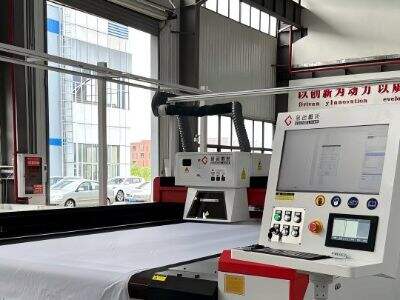
Sourcing reliable laser die cutting machines requires thorough research and evaluation of potential suppliers. Start by identifying manufacturers with a proven track record, such as Golden Laser, which boasts over 20 years of experience in producing high-performance laser cutting systems. Look for companies that have a strong reputation in the specific sectors you serve, whether it be printing, packaging, or automotive
When sourcing wholesale, prioritize suppliers that offer robust customer support and after-sales service. This can include installation assistance, training, and maintenance services. Additionally, request references or case studies from other clients in your industry to gauge the supplier's reliability and product performance
Consider attending industry trade shows or exhibitions where you can see machines in action and discuss specifications directly with manufacturers. This face-to-face interaction can be invaluable in assessing the technology and support provided
Understanding Quality Control in Laser Die Cutting Machine Manufacturing
Quality control is a crucial aspect of laser die cutting machine manufacturing. The process typically involves several stages, including material selection, production, and final inspection. Understand the manufacturer's quality assurance protocols to ensure that the machines meet industry standards and your specific requirements
A reliable manufacturer will conduct rigorous testing on their machines, including performance testing under various conditions, to ensure consistency and durability. Inquire about certifications that the manufacturer holds, which can provide insights into their adherence to international quality standards
Additionally, consider how the manufacturer handles quality issues. A transparent approach to addressing defects, including warranty terms and repair services, is essential for long-term satisfaction with your investment. Establishing a clear communication line with the manufacturer about quality expectations can help mitigate potential issues
What to Know
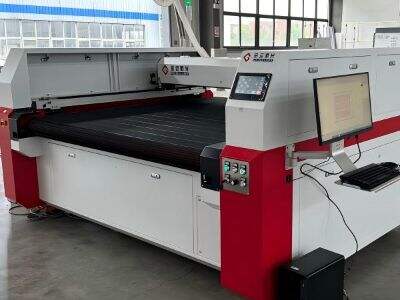
When investing in a laser die cutting machine, there are several key factors to consider. First, ensure you have a comprehensive understanding of the machine’s technical parameters, including power settings, cutting speed, and compatibility with various materials. This understanding is critical for making informed decisions and optimizing the machine's use for your specific applications
It is also vital to have clarity on the total cost of ownership. Beyond the initial purchase price, consider factors such as maintenance costs, potential downtime, and the cost of consumables like lenses and mirrors. Understanding these costs helps in budgeting and evaluating the machine's overall value
Lastly, be aware of the lead times associated with purchasing a laser die cutting machine. Depending on the complexity of customization and the manufacturer’s production schedule, lead times can vary significantly. Communicate your expected timelines with the supplier to avoid delays in your production schedule
Common Problems with Laser Die Cutting Machines and Their Solutions
Like any equipment, laser die cutting machines can encounter common issues that may disrupt operations. One frequent problem is misalignment, which can lead to inaccurate cuts. To mitigate this, regular calibration and maintenance of the machine are essential. Ensure that your team is trained to perform routine checks and adjustments to maintain precision
Another common issue is lens contamination, which can affect cut quality. Regular cleaning and maintenance of the lens can prevent this problem. It’s advisable to have a cleaning schedule in place based on your usage frequency and the materials being cut
Lastly, software compatibility can sometimes pose challenges, especially when integrating with existing systems. Ensure that the machine's software is compatible with your design and production software. Maintain open communication with the manufacturer for software updates and support to address any integration issues
By understanding these common challenges and their solutions, you can better prepare for potential disruptions and maintain efficient production processes