A CO2 laser cutting machine is an advanced tool designed for precision industrial cutting tasks across various materials and applications. With an emphasis on accuracy and efficiency, these machines are pivotal in sectors such as printing, packaging, signage, and automotive manufacturing. For purchasing managers and engineers, understanding how CO2 laser cutting machines handle precision tasks is essential for making informed decisions. This article will explore critical specifications, cost factors, sourcing options, and material advantages, helping you navigate the complexities of selecting the right CO2 laser cutting solution for your operational needs
Top Specifications to Evaluate When Choosing a CO2 Laser Cutting Machine
When evaluating CO2 laser cutting machines, several specifications are crucial to ensure the equipment meets your production demands. Key aspects include
Laser Power: Measured in watts, the laser power determines the cutting speed and material thickness compatibility. Higher wattage allows for faster cutting of thicker materials. For example, a 150W machine can efficiently cut up to 10mm acrylic, while a 300W machine may handle thicker materials like stainless steel
Cutting Area: The dimensions of the cutting bed are vital, especially for larger projects. Ensure that the machine's cutting area aligns with your typical material sizes to avoid constraints during production
Speed and Precision: Look for specifications that detail the cutting speed (measured in mm/s) and the machine’s accuracy (typically in mm). A machine that offers high speed with tight tolerances will enhance productivity without compromising quality
Cooling System: Efficient cooling systems, such as water or air cooling, are essential to prevent overheating during prolonged usage, thus ensuring consistent performance and extending the machine's lifespan
Control Software: Advanced software compatibility allows for easier integration into existing workflows. Consider machines that provide user-friendly interfaces and support for various file formats
By understanding these specifications, buyers can assess whether a CO2 laser cutting machine aligns with their production capabilities and material requirements
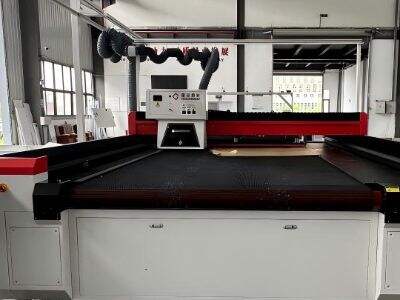
Comparing Cost Factors for CO2 Laser Cutting Solutions in Bulk Orders
Cost considerations for CO2 laser cutting machines go beyond the initial purchase price. Several factors can influence the overall investment
Initial Investment: The cost of the machine itself varies based on features, capabilities, and brand reputation. While cheaper models may save money upfront, they might lack efficiency or durability in the long run
Operating Costs: Evaluate the costs associated with materials, maintenance, and energy consumption. Machines with higher efficiency ratings may reduce long-term operating costs
Bulk Order Discounts: Many manufacturers, including Golden Laser, offer discounts for bulk orders, which can significantly reduce the per-unit cost of machinery or replacement parts. It's advisable to inquire about these options during the purchasing process
Customization Costs: If your applications require specific modifications or custom features, be prepared for additional costs. Customization can enhance functionality but also increase the total expenditure
Training and Support: Consider any additional costs for training staff to operate the new machinery effectively. Some suppliers provide training as part of the purchase, while others may charge separately
Understanding these cost factors helps buyers make a more informed decision that aligns with their budget while ensuring that the chosen machine meets their operational needs
Where to Source Reliable CO2 Laser Cutting Machines for Wholesale Buyers
Finding a trustworthy source for CO2 laser cutting machines is crucial for wholesale buyers. Here are effective strategies to identify reliable suppliers
Manufacturer Reputation: Research manufacturers with a proven track record in the industry. Companies like Golden Laser, with over 20 years of experience, are known for their high-performance laser cutting and engraving systems
Trade Shows and Expos: Attending industry trade shows is an excellent way to connect directly with manufacturers and suppliers. These events often showcase the latest technologies and provide opportunities for hands-on demonstrations
Online Marketplaces: Websites dedicated to industrial machinery often list various suppliers. Look for reviews and ratings from other buyers to gauge the reliability of the sources
Local Distributors: Partnering with local distributors can simplify logistics and support. Local suppliers can often provide faster service and easier communication
Industry Associations: Joining industry groups or associations can provide insights into trustworthy suppliers and emerging technologies, helping you make informed purchasing decisions
By leveraging these sourcing strategies, buyers can ensure they select a reliable supplier that meets their needs for CO2 laser cutting machines
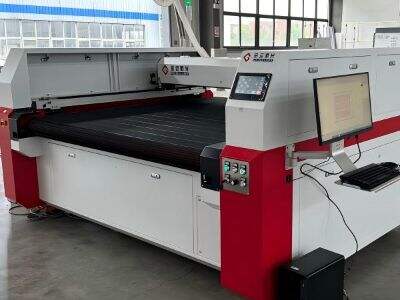
Key Considerations
When purchasing a CO2 laser cutting machine, several key considerations can impact long-term satisfaction and performance
Material Compatibility: Different machines have varied capabilities when it comes to cutting specific materials. Ensure the selected machine can handle the range of materials you plan to work with, such as acrylic, wood, or metals
Space Requirements: Assess the physical space available for the machine, including room for operation, maintenance access, and any additional equipment required
Regulatory Compliance: Be aware of any applicable regulations regarding emissions and safety standards. Ensure the machine complies with local industrial standards to avoid potential legal issues
After-Sales Support: Evaluate the level of customer support, warranty options, and availability of spare parts. Reliable after-sales service can minimize downtime and ensure ongoing performance
Scalability: Consider future production needs. Selecting a machine that can adapt to increased production demands or additional features can save costs in the long run
By addressing these considerations, buyers can ensure a more strategic investment in CO2 laser cutting technology
Understanding Material Advantages in CO2 Laser Cutting Technology
The choice of materials is a critical factor in the performance of CO2 laser cutting machines. Each material offers unique advantages and challenges
Acrylic: Known for its clarity and ease of cutting, acrylic is a popular choice for signage and displays. CO2 lasers excel at producing smooth edges without the need for extensive post-processing
Wood: CO2 lasers can cut and engrave wood with precision, making them ideal for creating intricate designs. However, wood's density and grain can affect cutting speed and quality, requiring adjustments in settings
Metals: While CO2 lasers can cut thinner metals, they are generally less effective than fiber lasers for thicker materials. Understanding the limitations and capabilities for metal cutting is vital for appropriate applications
Textiles: Fabrics can be cut cleanly with minimal fraying when using CO2 lasers. This characteristic is advantageous for industries like fashion and interior design
Composite Materials: These materials can present challenges due to varying layers and compositions. Testing is often required to determine the best settings for effective cutting
By understanding the advantages and limitations of each material type, buyers can optimize their use of CO2 laser cutting machines, ensuring they achieve the desired results for their specific applications