Industrial laser cutter equipment has become integral in various manufacturing sectors. Understanding what industries depend on these systems can help businesses make informed decisions about investing in such technology. The right laser cutting solution can enhance efficiency, precision, and versatility in production. This article will explore the key industries that benefit from laser cutter equipment, reliable suppliers, cost factors to consider, installation guidance, and the diverse applications of laser cutters across manufacturing sectors
What Industries Benefit Most from Laser Cutter Equipment
Industrial laser cutters are utilized across multiple sectors due to their ability to handle diverse materials and complex shapes with precision. Key industries that benefit from laser cutting equipment include
Printing and Packaging: Laser cutting technology allows for intricate designs and precise cuts in packaging materials, enhancing branding and consumer appeal. Companies in this sector often require high-speed production and flexibility to create various package types
Signage: The signage industry relies on laser cutters for creating customized signs from materials like acrylic, metal, and wood. The ability to achieve intricate designs and clean edges is vital for producing high-quality signage that stands out
Automotive: In the automotive sector, laser cutting is used for parts manufacturing, including chassis, trim, and components that require high accuracy and repeatability. The ability to work with various metals and materials makes laser cutters essential for prototyping and production runs
Aerospace: Aerospace manufacturers utilize laser cutting for components that demand stringent tolerances and lightweight materials. The technology allows for precise cuts that enhance the performance and safety of aircraft parts
Textiles: The textile industry uses laser cutting for fabric applications, allowing for detailed designs and patterns while minimizing waste. Laser cutting ensures clean edges that can reduce the need for additional finishing processes
By understanding the specific needs and applications within these industries, businesses can better assess how laser cutting technology can enhance their production processes
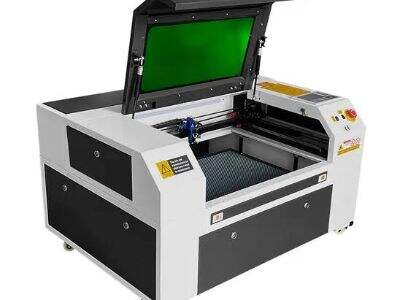
Reliable Suppliers of Laser Cutting Machines
When selecting a supplier for laser cutting machines, it’s crucial to consider their reputation, experience, and support services. Reliable suppliers like Golden Laser, with over 20 years of expertise, offer a range of high-performance laser cutting and engraving systems. Look for suppliers that provide
Material Testing Experience: Suppliers with extensive material testing can recommend the best configurations for your specific applications, ensuring optimal performance
Customer-Centric Services: A supplier that prioritizes customer support can assist with troubleshooting, maintenance, and operation training, which is vital for maximizing your investment
Customization Capabilities: Look for suppliers that offer tailored solutions to meet the unique requirements of your production processes and materials
Quality Assurance: Ensure that the supplier adheres to strict quality control processes, which can impact the reliability and longevity of the equipment
By evaluating these factors, businesses can find a supplier that not only provides quality equipment but also supports long-term operational success
Cost Factors to Consider When Purchasing Laser Cutting Equipment
Investing in laser cutting equipment involves several cost factors beyond the initial purchase price. Key considerations include
Machine Specifications: Different models may offer varying power levels, speed, and cutting capabilities. Assessing your specific needs will help determine the most suitable machine, affecting overall costs
Material Compatibility: The types of materials you plan to cut will influence the machine's specifications. For example, cutting metals may require more powerful lasers compared to materials like acrylic or textiles
Maintenance and Operating Costs: Ongoing maintenance requirements and operational costs, including electricity consumption and consumables (like lenses and focusing mirrors), should be factored into the total cost of ownership
Customization Needs: If your production requires specific modifications or custom features, this could add to the initial investment. Ensure to discuss these needs with potential suppliers to get accurate quotes
Training and Support: Factor in the costs of training your staff to use the equipment effectively, along with any ongoing support services that may be necessary
Evaluating these cost factors will help businesses make informed decisions about their laser cutting investments, ensuring they align with budgetary constraints and operational needs
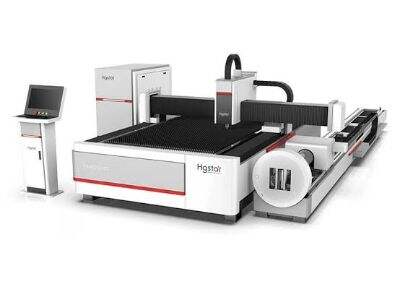
Installation Guidance for Industrial Laser Cutting Systems
Proper installation of industrial laser cutting systems is crucial for optimal performance and safety. Here are important considerations for installation
Site Preparation: Ensure the installation site is adequately prepared, including sufficient space for the machine, ventilation for exhaust fumes, and stable electrical connections. Consulting with the supplier for specific site requirements is advisable
Alignment and Calibration: Correct alignment and calibration of the laser cutter are essential to achieve precise cuts. It is recommended to follow the manufacturer’s guidelines during installation or to have a professional technician handle this process
Safety Protocols: Follow all safety protocols during installation, including proper use of personal protective equipment (PPE) and adherence to local regulations regarding laser equipment
Training on Operation and Maintenance: Prior to full-scale operation, ensure that operators are trained on how to use the machine safely and effectively. This training should cover basic troubleshooting, maintenance, and best practices for optimal operation
Following these installation guidelines can help prevent operational issues and extend the lifespan of the laser cutting equipment
Laser Cutter Applications Across Various Manufacturing Sectors
Laser cutting technology has versatile applications across different manufacturing sectors, each leveraging the benefits of precision and efficiency. Some notable applications include
Prototyping: In industries like automotive and aerospace, laser cutting is used for rapid prototyping of components, allowing for quick iterations and adjustments in design
Custom Fabrication: Many manufacturers utilize laser cutters for custom fabrication of parts, enabling them to accommodate unique customer requests and specifications
Engraving and Marking: Laser cutters excel in engraving and marking materials for branding or identification purposes. This application is widely used in consumer goods and electronics
Mass Production: In high-volume manufacturing, laser cutting can streamline production processes, reducing lead times and material waste while maintaining high precision
Art and Design: In sectors like signage and textiles, laser cutting is used to create intricate designs that enhance aesthetic appeal and product differentiation
Understanding these applications can help businesses identify where laser cutting technology can be integrated into their operations for enhanced productivity and quality
In summary, industrial laser cutters play a pivotal role in various manufacturing sectors, and understanding their benefits, costs, and applications can guide businesses in making informed purchasing decisions