Understanding the critical factors that affect laser die cutting machine performance is essential for B2B buyers, especially in manufacturing and production environments. Purchasing managers and engineers need to consider various specifications, capabilities, and operational parameters to ensure they select the right machine for their specific applications. This article will cover the main factors influencing performance, key specifications to evaluate, cost considerations, and the industries that benefit most from these advanced machines
What Factors Influence the Performance of Laser Die Cutting Machines
Several factors play a pivotal role in determining the performance of laser die cutting machines
Laser Power: The wattage of the laser directly impacts cutting speed and material thickness capabilities. Higher wattage allows for cutting thicker materials more efficiently but may also lead to increased operational costs
Material Type: Different materials react differently to laser cutting. For instance, materials like acrylic or wood may cut cleanly with a CO2 laser, while metals may require a fiber laser. Understanding the material properties helps in selecting the right machine
Focus and Beam Quality: The quality of the laser beam and its focus affect cut precision and edge quality. A well-focused laser beam ensures cleaner cuts and better detail, which is crucial for intricate designs
Speed and Acceleration: The cutting speed and the machine's ability to accelerate quickly contribute to overall productivity. Machines with higher acceleration can move faster between cuts, reducing downtime
Software Compatibility: Advanced software can enhance machine performance by optimizing cutting paths and improving efficiency. Compatibility with design software and ease of use should be considered
Cooling Systems: Effective cooling mechanisms prevent overheating, ensuring consistent performance during extended operations. Machines with inadequate cooling may suffer performance degradation and reduced lifespan
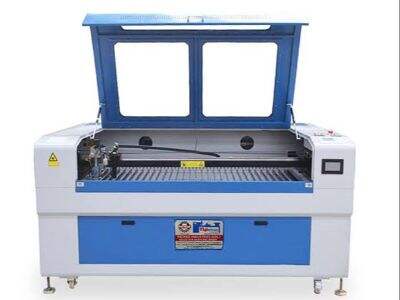
Key Specifications to Consider in Laser Die Cutting Machines
When evaluating laser die cutting machines, several key specifications should be considered to ensure they meet operational requirements
Cutting Area: The size of the cutting bed determines the maximum size of materials that can be processed. Buyers should confirm that the cutting area aligns with their typical material sizes
Laser Type: As mentioned earlier, the type of laser (CO2, fiber, or others) affects the machine's suitability for specific materials. Understanding the differences is critical for application success
Resolution and Accuracy: Specifications related to the machine's resolution and positional accuracy will dictate the quality of the cuts produced. Higher resolution machines are essential for applications requiring intricate details
Operating Speed: Measured in inches per minute (IPM), operating speed informs buyers about the potential throughput of the machine. Faster machines can significantly enhance production efficiency
Power Supply Requirements: Understanding the electrical requirements is vital for installation planning. Buyers should ensure that their facilities can accommodate the machine’s power needs
Safety Features: Safety is paramount in any industrial setting. Features such as enclosure, emergency stops, and safety interlocks should be evaluated to ensure compliance with safety regulations
What to Know
Before making a purchasing decision, it’s essential to gather comprehensive information about the laser die cutting machine. Here are some practical steps
Sample Testing: Requesting samples cut from the machine can provide invaluable insights into its performance and the quality of cuts achievable. Testing under actual operating conditions is recommended
Supplier Support: Evaluate the manufacturer’s customer service and support options. Good after-sales service can significantly affect long-term operational efficiency
Customization Options: Many manufacturers offer customization capabilities to tailor machines to specific applications. Discussing unique requirements with suppliers can lead to better-suited solutions
Warranty and Maintenance: Understand the warranty terms and the recommended maintenance schedules. Regular maintenance is critical for prolonged performance and reliability
Training Requirements: Assess the training needed for your staff to operate the machine efficiently. Some suppliers may offer training programs that can help reduce the learning curve
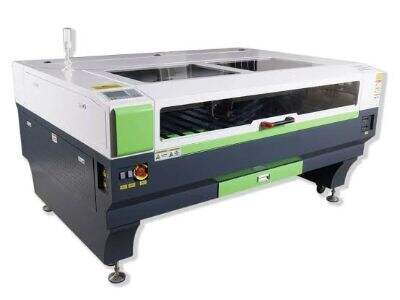
Cost Considerations When Purchasing Laser Die Cutting Equipment
Cost is a significant factor in the decision-making process when purchasing laser die cutting machines. Here are some key considerations
Initial Investment: The upfront cost of the machine is only part of the equation. Buyers should consider long-term costs, including maintenance, consumables, and operational expenses
Operating Costs: Factors such as electricity consumption, replacement parts, and labor should be estimated. Machines with lower operational costs may offer better ROI over time
Financing Options: Many suppliers offer financing solutions that can ease the burden of initial costs. Understanding these options can help organizations manage cash flow
Resale Value: Consider the potential resale value of the machine. Equipment that retains its value can be a more attractive investment for businesses planning for future upgrades
Industries That Benefit Most
Laser die cutting machines find applications across various industries, each benefiting from their precision and efficiency
Packaging: In the packaging industry, laser die cutting allows for intricate designs and custom shapes that enhance branding and consumer appeal
Signage: The ability to cut complex shapes and designs makes these machines ideal for creating high-quality signage, vital for marketing and advertising
Automotive: In automotive manufacturing, laser die cutting is used for precision parts and components, enhancing product performance and reliability
Textiles: The textile industry uses laser cutting for patterns and designs in clothing and upholstery, offering flexibility and reduced waste
Electronics: For electronic components, precision cutting is essential, and laser die cutting provides the accuracy needed for intricate designs
By considering these factors, specifications, and industry applications, buyers can make informed decisions when selecting a laser die cutting machine that meets their operational needs.