Choosing the right CO2 laser cutting machine is crucial for businesses in industries like printing, packaging, signage, and automotive. Understanding what features define a professional CO2 laser cutting machine can help buyers make informed decisions, ensuring they select a system that meets their specific production needs. This article addresses the key considerations buyers should keep in mind, from essential specifications to common operational challenges, ultimately aiding in the selection and maintenance of a reliable laser cutting solution
What Features to Consider When Choosing a CO2 Laser Cutting Machine
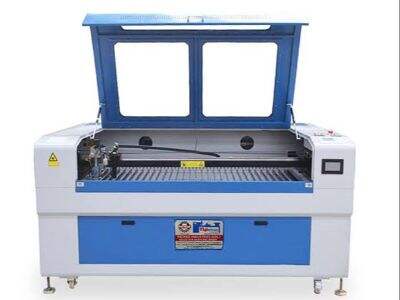
When evaluating CO2 laser cutting machines, several critical features should be assessed to ensure compatibility with your production requirements. First, consider the laser power, measured in watts, which directly influences cutting speed and material thickness capabilities. Higher wattage typically allows for quicker processing of thicker materials, making it essential to match the laser power to your operational needs
Next, look at the cutting bed size. This dimension impacts the maximum material size you can process in one go, so it’s vital to select a machine that accommodates your typical workpiece dimensions. Additionally, examine the machine's speed, which is often specified in inches per second. Faster machines can significantly enhance productivity, particularly in high-volume settings
Another important aspect is the type of cooling system used. CO2 lasers can generate considerable heat, and efficient cooling mechanisms help maintain optimal performance and prolong the lifespan of the equipment. Buyers should also consider the machine's software compatibility, which affects design integration and operational ease
Key Specifications for Professional CO2 Laser Cutting Equipment
Professional CO2 laser cutting machines have specific specifications that buyers should evaluate
Laser Type: Ensure the machine uses a sealed CO2 laser, known for its longevity and efficiency
Cutting Speed: This is often expressed in mm/s or inches/s. Higher speeds can reduce production time but may require more precise handling and setup
Material Compatibility: Check what types of materials the machine can cut effectively, including acrylic, wood, fabric, and various metals. Understanding material thickness limits is also crucial
Precision and Tolerance: Look for machines that offer tight tolerances (as low as ±0.1 mm), especially for intricate designs or high-precision applications
Software and Controls: The cutting machine should come with user-friendly software, preferably compatible with industry-standard design programs. This will facilitate a smoother workflow and reduce training time
Maintenance Requirements: Understanding the routine maintenance needs, such as lens cleaning and system checks, can prevent unexpected downtime
By focusing on these specifications, buyers can align their machine choice with their production goals and operational demands
Common Problems with CO2 Laser Cutting Machines and Their Solutions
Like any sophisticated equipment, CO2 laser cutting machines can face operational issues. Here are some common problems and their solutions
Inconsistent Cutting Quality: This may stem from lens contamination or misalignment. Regular cleaning and maintenance checks can alleviate this issue
Material Melting or Burning: This often occurs due to incorrect power settings or feeding speeds. Adjusting these parameters based on material types can improve cut quality
Software Glitches: Occasionally, software may experience bugs or compatibility issues. Ensuring you have the latest updates and patches can help mitigate this
Cooling System Failures: Overheating can lead to machine shutdowns or damage. Regularly inspect the cooling system and check for proper airflow and coolant levels
Addressing these common problems proactively can enhance the reliability and performance of your CO2 laser cutting machine
Where to Find Reliable Suppliers for CO2 Laser Cutting Systems
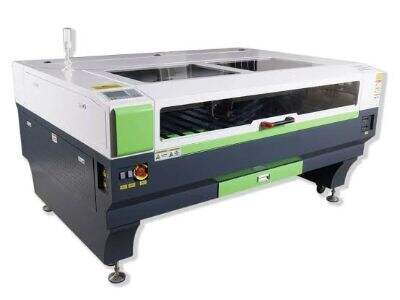
Finding a trustworthy supplier for CO2 laser cutting systems is essential for ensuring a successful purchase. Start by researching manufacturers with a strong reputation in the industry, such as Golden Laser, which boasts over 20 years of expertise in producing high-performance cutting systems
Industry trade shows and exhibitions are also excellent venues for connecting with potential suppliers. They offer opportunities to see machines in action, speak with technical representatives, and ask questions directly related to your specific needs. Online platforms and industry forums can provide insights from other users about their experiences with different suppliers
Lastly, consider suppliers who offer comprehensive customer support and training. A reliable supplier should not only sell the machine but also assist with installation and provide ongoing support, ensuring that your staff is well-equipped to operate the equipment efficiently
How to Ensure Proper Installation of Your CO2 Laser Cutting Machine
Proper installation of a CO2 laser cutting machine is critical to its optimal performance. Start by ensuring that the installation site meets the manufacturer's specifications regarding space, power supply, and ventilation
-
Site Preparation: The area should be clean and spacious, allowing for both the machine and the operator to work without obstruction. Ensure that it has the necessary electrical supply and that the flooring can support the machine's weight
Leveling the Machine: After placing the machine, it must be leveled correctly. An unlevel machine can lead to inaccurate cuts and increased wear on components
Aligning the Optical Components: Proper alignment of the laser and optics is crucial for achieving high-quality cuts. Follow the manufacturer's guidelines meticulously during this process
Testing and Calibration: Once installed, conduct a series of test cuts on various materials to fine-tune settings. This process will help identify any alignment or calibration issues before full-scale production begins
Training: Ensure that operators are adequately trained on the specific machine functions and safety protocols. This training can significantly reduce the risk of accidents and enhance overall machine utilization
By following these installation steps, businesses can ensure their CO2 laser cutting machine operates effectively from the outset, maximizing their investment
In summary, understanding the features that define a professional CO2 laser cutting machine is vital for making informed purchasing decisions. By considering key specifications, common operational issues, reliable suppliers, and proper installation protocols, businesses can enhance their production capabilities and achieve the desired results in their respective industries