Understanding what determines laser die cutting machine cutting accuracy is crucial for purchasing managers and engineers in industries such as printing, packaging, signage, and automotive. These machines need to deliver precise cuts to maintain quality and efficiency in production processes. This article will explore key factors influencing laser die cutting accuracy, helping you make informed decisions when evaluating and selecting machinery for your business needs
How to Evaluate the Quality of Laser Die Cutting Machines
When assessing the quality of laser die cutting machines, several criteria come into play. Firstly, examine the machine's cutting speed and its ability to handle various materials without compromising accuracy. A high-quality machine should maintain a consistent cutting speed, which is essential for large-scale production
Next, consider the machine's software capabilities. Advanced software can significantly enhance cutting precision by allowing for detailed adjustments and optimizations. This is particularly important for intricate designs or when working with multiple layers of material
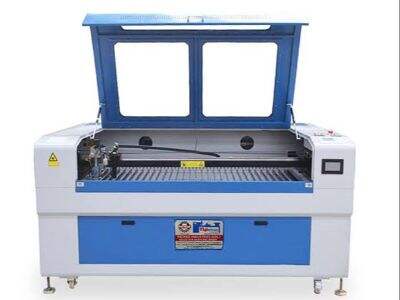
Finally, review customer feedback and case studies. Real-world experiences can provide insight into the machine's performance over time, including any common issues or maintenance needs. This information is valuable for understanding the machine's reliability and overall value
What You Should Know
It's important to recognize that laser die cutting accuracy is influenced by multiple factors including the laser type, beam quality, and focal length. The type of laser—such as CO2 or fiber—will affect the materials that can be processed and the precision of the cuts produced. Fiber lasers typically offer higher cutting speeds and better quality for metals, while CO2 lasers are effective for non-metal materials
Beam quality is another critical factor. A high-quality beam will have a smaller focal diameter, allowing for finer cuts and details. This can be particularly advantageous in applications requiring intricate designs
Focal length impacts the depth of focus and the precision of the cut. Machines with adjustable focal lengths can adapt to various thicknesses and materials, thereby increasing their versatility in production
Understanding Specifications for Laser Die Cutting Accuracy
Understanding specifications is essential to ensure the right laser die cutting machine meets your operational requirements. Key specifications to consider include
Cutting Thickness: The machine's capability to cut through various material thicknesses directly affects its accuracy. Ensure that the specifications align with the materials you will be using
Resolution: This refers to the machine's ability to produce fine details in cuts. Higher resolution translates to more intricate designs, which is particularly beneficial for applications in the signage and packaging industries
Repeatability: This specification indicates how consistently the machine can reproduce the same cut. High repeatability is crucial for large production runs where uniformity is required
Speed: While cutting speed is important, it should not come at the expense of accuracy. Evaluate the balance between speed and precision to meet your production goals effectively
Material Compatibility: Ensure the machine can handle the specific materials you intend to use, as different materials will respond differently to laser cutting processes
Common Problems with Laser Die Cutting Machines and Solutions
Several common issues can arise with laser die cutting machines, impacting their accuracy and overall performance. One frequent problem is misalignment during operation. This can lead to inaccurate cuts and wastage of materials. Proper calibration and regular maintenance can help mitigate this issue
Another concern is the wear and tear of components such as lenses and mirrors. Regular inspection and timely replacement of these parts are essential to maintain cutting quality
Material selection is also critical; using unsuitable materials can lead to poor cutting performance and damage to the machine. Always consult the manufacturer's recommendations for material compatibility and conduct trials to determine the best options for your specific applications
Lastly, software glitches can hinder performance. Ensure that the machine's software is up-to-date and that operators are well-trained in using the system to avoid operational delays
Installation Guidance for Optimal Laser Die Cutting Performance
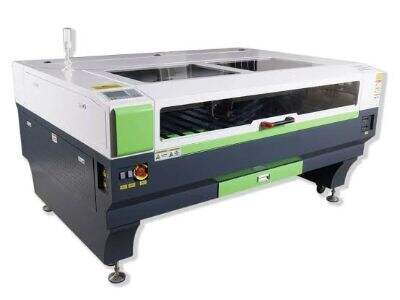
Proper installation of a laser die cutting machine is vital for achieving optimal performance and accuracy. Start by ensuring that the installation site meets the manufacturer’s specifications regarding space, ventilation, and power requirements. This will help prevent operational issues and ensure safety
Next, follow the manufacturer's guidelines for machine leveling. An improperly leveled machine can lead to inaccuracies in cutting. Use precision tools to verify that the machine is perfectly horizontal
Once installed, conduct a series of test runs using different materials and designs. This will help identify any potential issues early on and allow for adjustments to be made
Training operators on the machine's features and capabilities is equally important. Well-trained staff can maximize the machine's potential, ensuring that it operates efficiently and accurately
By understanding what determines laser die cutting machine cutting accuracy and addressing the factors discussed, purchasing managers and engineers can make informed decisions when selecting the right machinery for their specific needs. This knowledge not only enhances operational efficiency but also contributes to the overall quality of the final products