The role of CO2 laser cutting machines in non-metal cutting applications is increasingly significant, especially in industries such as packaging, signage, and automotive. These machines offer precision and versatility, enabling manufacturers to achieve intricate designs and high-quality finishes on various non-metal materials. Buyers often prioritize machine specifications, compatibility with their production processes, and overall cost-effectiveness. This article will guide you through critical considerations when selecting a CO2 laser cutting machine for non-metal applications, helping you make informed purchasing decisions
What to Consider When Choosing a CO2 Laser Cutting Machine for Non-Metals
When selecting a CO2 laser cutting machine for non-metal applications, several key factors should be considered
Material Compatibility: Different CO2 laser cutting machines have varying capabilities depending on the materials they can process. Common non-metals include acrylic, wood, leather, textiles, and certain plastics. Understanding the specific material properties will help you determine if the machine can achieve the desired cuts and finishes
Laser Power: The wattage of the laser affects the cutting speed and thickness it can handle. Higher wattage lasers can cut thicker materials more quickly, but for many applications, a machine in the 40-100 watt range is sufficient. Always align the machine’s power with the material thickness you intend to work with
Precision and Speed: Evaluate the machine's cutting speed and precision. For applications like signage or intricate designs, high precision is essential. Look for specifications that detail the machine's cutting accuracy and speed to ensure it meets your production demands
Ease of Use and Software Compatibility: A user-friendly interface and compatibility with design software can significantly impact productivity. Ensure that the machine can seamlessly integrate into your existing workflow and that the software supports the file formats you commonly use
Support and Service: Consider the manufacturer’s customer service and support options. Reliable after-sales support is vital for troubleshooting and maintenance, especially in a production environment where downtime can be costly
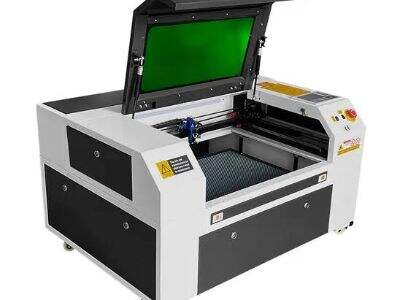
Wholesale Supplier Options for CO2 Laser Cutting Machines in Non-Metal Applications
When considering wholesale suppliers for CO2 laser cutting machines, it's crucial to evaluate their reputation and the range of products they offer. Here are a few avenues to explore
Established Manufacturers: Seek suppliers with a solid track record in the industry. Manufacturers like Golden Laser, with over 20 years of expertise, often provide high-performance machines backed by extensive material testing and customer-centric services
Market Presence: Look for suppliers that have a wide market presence and experience in your specific application area. Companies that cater to sectors like packaging, signage, and automotive are more likely to understand your unique needs
Customization Capabilities: Some suppliers offer customization options tailored to your specific applications. If you have particular requirements, ensure the supplier can accommodate them, whether it's machine features, software integrations, or additional accessories
Reviews and References: Don’t hesitate to ask for references or look for reviews from past customers. This feedback can provide insight into the machine’s performance and the supplier's service quality
Key Specifications of CO2 Laser Cutting Machines for Non-Metal Cutting
Understanding the essential specifications of CO2 laser cutting machines is vital for making an informed purchasing decision. Here are some critical specifications to consider
Laser Type and Wavelength: CO2 lasers operate at a wavelength of 10.6 micrometers, which is ideal for cutting non-metal materials. Ensure the machine’s laser type aligns with your material requirements
Cutting Area: The cutting area size determines the maximum dimensions of the material you can process. Assess your typical project sizes to ensure the machine can accommodate them
Maximum Material Thickness: Different machines can cut materials of varying thicknesses. Verify the maximum thickness capability for the materials you plan to use, as this will directly influence your production capabilities
Cooling System: A reliable cooling system is crucial for maintaining optimal laser performance and extending the machine’s lifespan. Ensure the machine is equipped with an efficient cooling mechanism, especially if you plan to run it continuously
Control System: The control system should allow for precise adjustments during operation. Features like programmable settings, remote operation, and integration with CAD software can enhance usability and efficiency
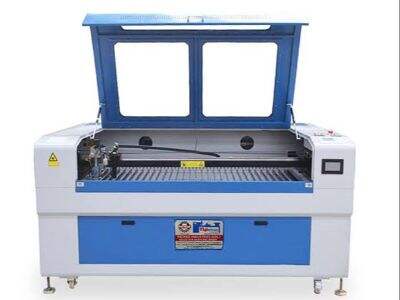
Cost Factors to Evaluate for CO2 Laser Cutting Machines in Bulk Orders
When evaluating the costs associated with purchasing CO2 laser cutting machines in bulk, consider the following factors
Unit Price: While the initial cost per machine can be a significant factor, look for volume discounts that can reduce the overall expenditure for bulk orders
Maintenance and Operating Costs: Factor in ongoing costs, including maintenance, parts replacement, and consumables such as lenses and mirrors Understanding these costs will give you a clearer picture of the total cost of ownership
Shipping and Handling: Depending on the size and weight of the machines, shipping costs can vary significantly. Ensure you clarify these costs when requesting quotes from suppliers
-
Warranty and Support: Evaluate the warranty coverage and the extent of support offered. A robust warranty can mitigate potential future costs and reflect the manufacturer’s confidence in their product
Lead Times: Longer lead times can affect your production schedules. When placing bulk orders, confirm the expected delivery time and factor that into your planning
Installation Guidance for CO2 Laser Cutting Machines in Non-Metal Workspaces
Proper installation of CO2 laser cutting machines is essential for optimal performance. Here are some guidelines to consider
Workspace Preparation: Ensure your workspace is adequately prepared to accommodate the machine’s size and operational requirements. This includes adequate ventilation, power supply, and space for material handling
Leveling and Calibration: Upon installation, the machine must be leveled and calibrated to ensure accurate cutting. Follow the manufacturer’s instructions for setup and calibration, and consider scheduling training for your operators
Safety Protocols: Implement safety protocols around the machine's operation. This includes ensuring that safety guards are in place, providing training for operators on laser safety, and maintaining a clear area around the machine during operation
Regular Maintenance Checks: Establish a maintenance schedule to keep the machine in optimal condition. Regular checks on components such as the laser tube, lenses, and mirrors will help prevent unexpected downtime and maintain cutting quality
Technical Support Contact: Keep contact information for the manufacturer’s technical support readily available. This will be valuable if you encounter any installation or operation-related issues
In summary, understanding the role of CO2 laser cutting machines in non-metal applications can significantly enhance your production capabilities. By considering the specifications, supplier options, and installation requirements outlined, you can make more informed purchasing decisions that align with your operational needs