Laser die cutting machines have gained significant traction in packaging production due to their precision, efficiency, and versatility. These advanced machines utilize laser technology to cut through various materials with high accuracy, making them a popular choice among manufacturers seeking to enhance their production capabilities. This article will delve into the key reasons behind the popularity of laser die cutting machines in the packaging industry, addressing common buyer concerns, cost factors, quality control measures, potential issues, and applications
What Makes Laser Die Cutting Machines Ideal for Packaging Production
Laser die cutting machines are ideal for packaging production primarily due to their ability to handle a wide range of materials, including paper, cardboard, plastics, and even textiles. The flexibility in material handling allows manufacturers to produce diverse packaging solutions, from intricate designs to robust containers
One of the key advantages of laser die cutting is its precision. Unlike traditional die cutting methods that rely on physical dies, laser cutting uses focused beams of light to achieve clean and accurate cuts. This precision reduces waste and ensures that each component fits perfectly, which is crucial in high-stakes industries like food packaging, where adherence to safety standards is paramount
Moreover, laser die cutting machines are highly customizable. Manufacturers can easily adjust settings to create different shapes and sizes without the need for new dies. This adaptability speeds up the production process, allowing businesses to respond quickly to market demands and customer preferences. The reduced setup time and increased production speed translate to lower costs and higher profitability
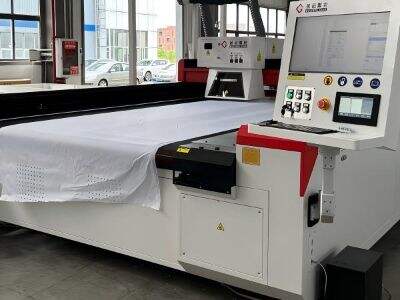
Understanding the Cost Factors of Laser Die Cutting Solutions
When considering laser die cutting machines, buyers must evaluate several cost factors. The initial investment in a laser die cutting machine can be significant, but it is essential to consider the long-term savings and efficiencies gained. Key cost elements include
Machine Type and Specifications: Different models come with varying capabilities and features, affecting the initial purchase price. For instance, flatbed laser cutting machines might be more suitable for larger sheets, while visual laser cutting systems excel in precision for smaller components
Material Costs: The choice of material impacts the overall production cost. High-quality materials may initially be more expensive but can lead to better durability and customer satisfaction, ultimately resulting in higher sales
Operational Costs: Energy consumption is another cost consideration. Laser machines are generally more energy-efficient compared to traditional methods, which can lead to savings on electricity bills
Maintenance and Support: Regular maintenance is crucial for optimal performance. Buyers should factor in potential repair costs and the availability of customer support from the manufacturer
By understanding these cost factors, manufacturers can make informed decisions that align with their budget while ensuring quality output
Quality Control Measures in Laser Die Cutting Machine Manufacturing
Quality control is vital in the manufacturing of laser die cutting machines to ensure they meet industry standards and customer expectations. At Golden Laser, quality assurance begins with selecting high-grade materials and components. Each machine undergoes rigorous testing to verify its performance and durability
Key quality control measures include
Material Testing: Before production, the materials used in machines are tested to ensure they meet the specified standards for strength and functionality
Performance Testing: Each laser die cutting machine is tested under real operating conditions to validate its cutting accuracy, speed, and efficiency. This step helps identify any potential issues before the machine reaches the customer
Compliance Certifications: Adhering to international standards and obtaining necessary certifications ensures that the machines are safe and reliable for use in various applications. Buyers should inquire about certifications when evaluating potential suppliers
Post-Production Inspection: After assembly, machines undergo final inspections to ensure they function as intended. This includes checking the laser alignment, software functionality, and overall build quality
Implementing these quality control measures not only enhances the performance of the machines but also builds trust with customers, ensuring that they receive reliable and high-quality products
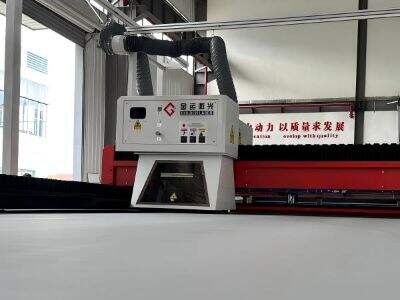
Common Problems with Laser Die Cutting and Effective Solutions
Despite their advantages, laser die cutting machines can encounter issues that may affect production. Here are some common problems and their solutions
Material Burning: Overheating can lead to burning or discoloration of materials. To mitigate this, operators should adjust the laser speed and power settings according to the material being cut. Conducting test runs can help determine the optimal settings
Inconsistent Cuts: This issue may arise from a misaligned laser or worn-out components. Regular maintenance checks and recalibrating the machine can ensure consistent performance
Software Glitches: As laser cutting machines often rely on sophisticated software for operation, glitches can disrupt production. Ensuring that the software is regularly updated and backed up can prevent downtime
Waste Generation: While laser cutting is generally efficient, sometimes waste can occur due to improper nesting of designs. Utilizing nesting software can optimize material usage and minimize waste
Being aware of these potential challenges allows buyers to proactively implement solutions, ensuring smooth operations and reducing downtime
Applications of Laser Die Cutting Machines in the Packaging Industry
Laser die cutting machines have versatile applications in the packaging industry. They are commonly used for
Custom Packaging Solutions: Businesses can create bespoke packaging designs tailored to specific products, enhancing branding and customer appeal
Labels and Stickers: Laser cutting machines produce intricate shapes and designs for labels, ensuring high-quality finishes and precise cuts that enhance product presentation
Prototype Development: Engineers and product managers can use laser die cutting to rapidly produce prototypes for testing and evaluation, allowing for quick iterations and improvements
Point of Sale Displays: Retailers utilize laser-cut displays that attract customers and effectively showcase products, improving sales opportunities
The adaptability of laser die cutting machines makes them invaluable for manufacturers looking to innovate and stay competitive in the packaging sector
By understanding the advantages, cost factors, quality measures, common problems, and applications of laser die cutting machines, buyers can make well-informed decisions that align with their operational goals and customer needs