Industrial laser cutters have revolutionized precision fabrication across various industries. By utilizing advanced laser technology, these machines offer unparalleled accuracy and efficiency, addressing key concerns of B2B buyers, such as cost-effectiveness, material versatility, and production scalability. We will explore how industrial laser cutters support high precision fabrication, key specifications to consider when selecting a laser cutter, the importance of securing reliable cutting solutions, and compare laser cutting with traditional fabrication methods. Additionally, we will highlight the diverse industrial applications of laser cutters, providing insights that can aid purchasing managers and engineers in making informed decisions
How Industrial Laser Cutters Enhance Precision in Fabrication
Industrial laser cutters are designed to deliver high precision in the fabrication process, a critical factor for industries where accuracy is paramount. The precision of laser cutting is primarily attributed to the focused beam of light that can be finely adjusted to cut through various materials with minimal kerf, resulting in clean edges and intricate designs. This capability allows fabricators to produce complex shapes and designs that might be unfeasible with traditional cutting methods
Moreover, the ability to program the laser cutter to execute intricate patterns means that production runs can be optimized for efficiency without sacrificing quality. This level of precision reduces waste and material costs, as the laser can cut exactly where needed, minimizing excess material use. For buyers, this means lower operational costs and the ability to meet stringent quality standards, particularly in sectors like automotive or aerospace, where tolerances are crucial
Key Specifications to Consider When Choosing a Laser Cutter
When selecting an industrial laser cutter, several specifications are essential to ensure it meets production needs effectively
Laser Type: The two most common types are CO2 and fiber lasers. CO2 lasers are ideal for cutting non-metal materials like wood or acrylic, while fiber lasers excel at cutting metals due to their higher energy density. Understanding the primary materials to be cut is crucial in choosing the right type
Cutting Speed: This is measured in inches per minute (IPM) or meters per minute (MPM). Faster cutting speeds can significantly enhance productivity, but it is essential to balance speed with the quality of the cut, as higher speeds can lead to a rougher finish
-
Max Material Thickness: Each laser cutter has a maximum thickness for various materials. Buyers should verify that the cutter can handle the thickness of the materials they intend to use, as cutting too thick of material can lead to poor quality cuts
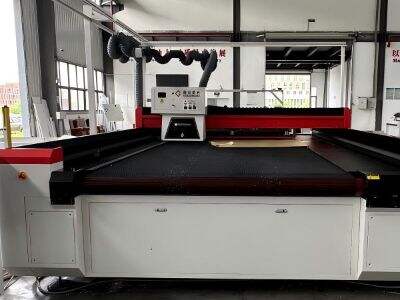
Work Area Size: The dimensions of the cutting bed must accommodate the largest part that will be processed. Buyers should consider both the maximum dimensions and the layout of their production area to ensure compatibility
Power Output: Measured in watts, the power output affects the cutter's ability to cut through different material types efficiently. Higher wattage allows for faster cutting and the ability to work with thicker materials
By thoroughly evaluating these specifications, buyers can ensure they select a laser cutter that aligns with their operational requirements and production goals
Securing Reliable Laser Cutting Solutions
To secure reliable laser cutting solutions, buyers should engage in a thorough vetting process of potential suppliers. Key factors include
Manufacturer Experience: Look for manufacturers with significant experience in the industry, such as Golden Laser, which has over 20 years in producing high-performance laser cutting systems. A proven track record can indicate reliability and support
Customer Support and Service: Evaluate the level of customer service offered, including technical support and warranty options. A manufacturer that provides extensive support can help resolve issues quickly, minimizing downtime
Material Testing Capabilities: Suppliers that offer material testing can provide insights into how their laser cutters will perform with specific materials, ensuring that buyers can trust the machine's capabilities
User Reviews and Case Studies: Reading reviews and examining case studies can provide real-world insights into the performance of a laser cutter and the manufacturer's reliability. This information can help inform purchasing decisions
By focusing on these aspects, purchasing managers can identify suppliers that not only offer quality machines but also a partnership that supports long-term operational success
Laser Cutting vs. Traditional Fabrication Methods
Laser cutting presents several advantages over traditional fabrication methods, such as mechanical cutting or die cutting. One primary benefit is the reduction in tooling costs; laser cutting does not require physical tools, which can be expensive and time-consuming to produce. This makes laser cutting a cost-effective solution for low to medium production runs where traditional methods may not be justifiable
Additionally, laser cutting allows for greater design flexibility. Changes to design can be made quickly in the software without the need to create new tooling. This capability is particularly beneficial in industries that demand rapid prototyping or customization
However, traditional methods may still have advantages in specific applications, such as when dealing with very thick materials or when high production volumes are necessary with lower precision requirements. Buyers should assess the specific needs of their applications to determine the most suitable cutting method
Industrial Applications of Laser Cutters in Various Sectors
Industrial laser cutters find applications across a wide range of sectors, showcasing their versatility and efficiency
Printing and Packaging: In this sector, laser cutters are used for precise cutting of packaging materials, creating intricate designs and enhancing brand visibility through customized shapes
Signage: Laser cutting allows for the creation of detailed signs from various materials, ensuring that brands stand out with high-quality finishes
Automotive: The automotive industry relies on laser cutting for manufacturing parts with tight tolerances, ensuring safety and performance standards are met
Aerospace: Precision is critical in aerospace applications, where laser cutters are employed to manufacture components that meet rigorous quality requirements
Metal Fabrication: Laser cutting is essential in metal fabrication, providing clean, accurate cuts that reduce the need for secondary processing
Choosing the right laser cutter tailored for specific applications can significantly enhance productivity and operational efficiency, making it a worthwhile investment for businesses across these sectors
By understanding how industrial laser cutters support high precision fabrication, the key specifications to consider, securing reliable solutions, comparing methods, and recognizing applications, B2B buyers can make informed decisions that align with their operational goals. As the demand for precision and efficiency continues to grow, investing in the right laser cutting technology will be crucial for manufacturers looking to stay competitive in their respective markets