Laser die cutting machines have revolutionized the way complex cutting patterns are handled in various industries. These advanced systems utilize focused laser beams to precisely cut or engrave materials, offering flexibility and accuracy that traditional methods struggle to match. For B2B buyers, understanding how laser die cutting machines handle complex designs is crucial, as it impacts production efficiency, material usage, and overall project costs. This article will delve into the key factors to consider when selecting a laser die cutting machine, ensuring you make informed purchasing decisions for your manufacturing or packaging needs
Choosing the Right Laser Die Cutting Machine for Bulk Orders
When selecting a laser die cutting machine for bulk orders, it's essential to assess the machine's production capacity and efficiency. Look for models designed for high throughput, as these will minimize cycle times and maximize output. Additionally, consider the machine's ability to handle various materials—such as paper, cardboard, plastics, and textiles—which can affect versatility in fulfilling diverse project requirements
It's also critical to evaluate the machine's compatibility with existing production equipment. Ensure that the laser cutter can integrate seamlessly into your current workflow, as this will reduce operational disruptions. Lastly, consult with manufacturers to understand the machine’s maintenance needs, as this will impact long-term operational costs and machine uptime
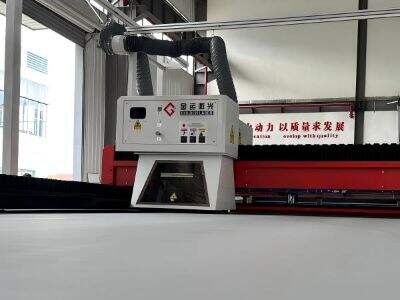
Key Specifications to Consider When Sourcing Laser Die Cutters
Several specifications are vital when sourcing laser die cutting machines. Key factors include
Laser Power: Higher wattage typically translates to faster cutting speeds and the ability to handle thicker materials. For example, a 100W laser can cut through thicker substrates than a 30W laser
Cutting Area: The dimensions of the cutting bed should accommodate the largest material size you plan to use. A larger cutting area allows for greater flexibility in production
Speed and Precision: Look for machines that offer adjustable cutting speeds and precise control over the laser beam, as this directly affects the quality of the cut and the detail of intricate designs
Material Compatibility: Ensure the machine can process the specific materials relevant to your applications, such as acrylic, leather, or composites. Each material may require different settings and laser types
Software Compatibility: Consider the software used for designing and controlling the laser cutter. A user-friendly interface that supports various design formats can significantly enhance operational efficiency
Evaluate these specifications against your project requirements to ensure the chosen machine meets your production needs
Evaluating the Quality of Laser Die Cutting Machines for Your Projects
Quality evaluation of laser die cutting machines involves several steps. First, review the manufacturer's reputation and history in the industry. Companies with extensive experience, like Golden Laser, often provide insights into machine reliability and customer support, which are critical for long-term satisfaction
Next, request samples of previous work done with the machine to assess the cutting quality. Pay attention to edge finish, precision in cutting patterns, and the machine's ability to handle complex shapes without burn marks or inaccuracies
Conducting a thorough inspection of the machine's construction is also important. Look for quality materials used in the machine’s build, as this influences longevity and maintenance needs. Additionally, inquire about the quality control processes the manufacturer has in place to ensure consistent performance across production runs
Where to Find Reliable Suppliers for Laser Die Cutting Equipment
Finding reliable suppliers for laser die cutting equipment requires a strategic approach. Start by researching established manufacturers with a proven track record in the industry. Online platforms, trade shows, and industry publications can be valuable resources for identifying potential suppliers
Once you have a shortlist, engage in direct communication with suppliers to gauge their responsiveness and willingness to provide technical support. Request references or case studies from previous customers to assess their satisfaction with both the equipment and ongoing support
Additionally, consider suppliers who offer comprehensive after-sales service, including training, maintenance, and access to spare parts. This ongoing support is crucial for minimizing downtime and ensuring the machine operates at peak efficiency
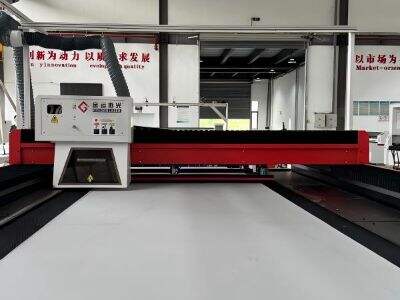
Applications of Laser Die Cutting in Manufacturing and Packaging Industries
Laser die cutting technology is widely used across various sectors, including manufacturing and packaging. In manufacturing, it allows for precise and intricate cuts in materials such as metals, plastics, and composites, enabling the production of complex components with tight tolerances. This capability is particularly advantageous in automotive and aerospace applications, where precision is critical
In the packaging industry, laser die cutting is instrumental in producing custom packaging solutions, including boxes, inserts, and labels. The ability to create intricate designs and cut multiple layers simultaneously enhances efficiency and reduces waste. Moreover, the flexibility of laser cutting makes it easy to adapt designs for seasonal promotions or unique customer requests
As industries continue to evolve, the adoption of laser die cutting machines will likely expand, driven by their ability to handle complex cutting patterns with unmatched precision and efficiency. Understanding these applications will help buyers identify the best solutions for their specific needs
By considering the factors discussed, B2B buyers can make informed decisions when investing in laser die cutting machines, ensuring they select the right equipment to effectively meet their production demands while delivering high-quality results