Laser die cutting machines are critical tools in precision manufacturing, particularly for industries such as printing, packaging, signage, and automotive. These machines utilize laser technology to cut various materials with high accuracy, offering advantages like intricate designs and minimal waste. Understanding what makes laser die cutting machines suitable for precision manufacturing is essential for purchasing managers and engineers who seek efficiency, quality, and cost-effectiveness in their operations. This article will guide readers through the key specifications, sourcing options, common problems and solutions, cost factors, and installation guidance related to laser die cutting machines
Key Specifications to Compare in Laser Die Cutting Machines
When evaluating laser die cutting machines, several key specifications should be considered to ensure they meet your manufacturing needs
Laser Power: Measured in watts, the laser power determines the machine's ability to cut through different material thicknesses. Higher wattage is typically required for thicker materials, while lower wattage may suffice for thinner substrates
Cutting Speed: This specification impacts production efficiency. Machines with faster cutting speeds can increase throughput but may compromise on precision if not properly calibrated
Material Compatibility: Different machines are optimized for various materials, including paper, plastics, textiles, and metals. Ensure that the machine you choose is capable of handling the materials your production processes require
Precision and Tolerance: Look for specifications that indicate the machine's accuracy, often expressed in microns. High precision is vital for applications requiring intricate designs or tight tolerances
Table Size: The dimensions of the cutting table should align with the sizes of the materials you commonly work with. Larger tables allow for more extensive cuts and reduce the need for multiple setups
Software Integration: Modern laser die cutting machines often come with compatible software that enhances design capabilities and streamlines operations. Evaluate the software's user-friendliness and compatibility with your existing systems
By closely examining these specifications, purchasing managers can select a laser die cutting machine that aligns with their operational requirements and production goals
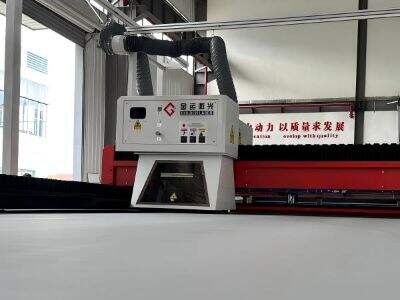
Where to Source Reliable Laser Die Cutting Machines for Your Business
Sourcing reliable laser die cutting machines involves several steps to ensure you partner with a reputable supplier
Manufacturer Research: Begin by researching manufacturers with proven expertise in the laser cutting field. Companies like Golden Laser, with over 20 years of experience, offer a range of high-performance machines backed by extensive material testing
Industry Reviews and Testimonials: Look for reviews from other businesses in your industry. Testimonials can provide insights into the machine's performance, reliability, and customer service quality
Trade Shows and Industry Events: Attend industry trade shows where manufacturers exhibit their latest technologies. This provides an opportunity for hands-on demonstrations and direct discussions with representatives
Online Marketplaces and B2B Platforms: Explore platforms that specialize in industrial equipment. These often feature a variety of suppliers and can facilitate comparisons based on price and specifications
Requesting Quotes: When approaching suppliers, be prepared to provide specific details about your needs, including material types, production volume, and desired machine specifications. This will enable manufacturers to offer tailored solutions
By following these steps, buyers can confidently source laser die cutting machines that meet their operational needs and budget
Common Problems with Laser Die Cutting Machines and Their Solutions
While laser die cutting machines are powerful tools, they can experience common problems that may affect production efficiency. Here are a few issues and their practical solutions
Inconsistent Cutting Quality: This can stem from improper laser settings or material variations. To resolve this, regularly calibrate the machine and conduct material tests before production runs. Utilizing sample cuts can help identify any adjustments needed
Material Warping: High heat from the laser can cause materials, especially plastics, to warp. To mitigate this, consider using lower laser power settings or implementing cooling systems to manage temperature during cutting
Lens Contamination: Dust and debris on the lens can affect cutting precision. Establish a routine maintenance schedule that includes cleaning the lens and inspecting it for damage, ensuring optimal performance
Software Glitches: Issues with the software can lead to design inaccuracies or machine malfunctions. Keeping the software updated and providing training for operators can help minimize these problems
By proactively addressing these issues, manufacturers can maintain operational efficiency and extend the lifespan of their laser die cutting machines
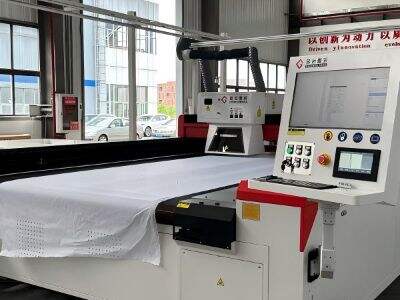
Understanding the Cost Factors of Laser Die Cutting Machines
The cost of laser die cutting machines can vary widely based on several factors. Understanding these cost elements can help businesses budget effectively
Initial Investment: The upfront cost of the machine, including any customization options, can be significant. High-performance machines may have higher initial costs but can lead to lower operational costs over time due to efficiency
Operating Costs: Consider ongoing expenses such as electricity, maintenance, and replacement parts. More efficient machines may have higher upfront costs but can result in lower operating costs due to reduced energy consumption and downtime
Material Costs: The type of materials you plan to cut will influence costs. Some materials may require specialized cutting settings, which can lead to increased wear and tear on the machine, necessitating more frequent maintenance or replacement
Training and Support: Factor in the costs associated with training staff to operate the machine effectively. Suppliers that offer comprehensive training and support can reduce the risk of operational issues, ultimately saving costs
Production Volume: Higher production volumes can justify the investment in more advanced machines, as the cost per unit decreases with scale. Analyze your production needs to determine the most cost-effective machine for your operation
By understanding these cost factors, purchasing managers can make informed decisions that align with their financial and operational goals
Installation Guidance for Your New Laser Die Cutting Machine Setup
Proper installation of a laser die cutting machine is crucial for optimal performance. Here are key considerations to ensure a successful setup
Site Preparation: Before installation, assess the designated area to ensure it meets space, electrical, and ventilation requirements. Adequate space for operator movement and material handling should also be taken into account
Electrical Requirements: Verify that the electrical supply matches the machine's specifications. Inadequate power supply can lead to performance issues and potential damage
Software Installation: Follow the manufacturer's guidelines for software installation. Ensure that your team is trained on the software to facilitate smooth operation from the outset
Calibration and Testing: After installation, perform initial calibrations as per the manufacturer’s instructions. Conduct test runs with various materials to ensure the machine is functioning correctly before starting full production
Safety Checks: Ensure all safety features are operational, including emergency stops and protective covers. Training operators on safety protocols is essential to prevent workplace accidents
By carefully following these installation guidelines, businesses can ensure their new laser die cutting machine operates efficiently and safely from day one