Laser die cutting machines have revolutionized the industrial processing landscape by providing precision cutting capabilities that enhance efficiency and reduce waste. For B2B buyers, understanding what laser die cutting machines bring to industrial processing lines is crucial for making informed purchasing decisions. This article will delve into the specifications of these machines, sourcing options, cost factors, applications across various industries, and common problems along with their solutions, ultimately guiding purchasing managers, engineers, and product managers in their evaluation process
What You Should Know About Laser Die Cutting Machine Specifications
When considering a laser die cutting machine, several specifications are critical to ensure optimal performance. Key factors include the laser power, which typically ranges from 30W to 150W, depending on the materials being cut. Higher power is required for thicker materials, while lower power can effectively cut thinner substrates
The cutting speed, generally measured in mm/s, also varies based on the material type and thickness. For example, cutting cardboard may require different settings compared to acrylic. Buyers should assess the machine’s ability to handle various materials, including paper, plastics, and textiles, as well as its maximum cutting thickness
Additionally, the type of laser—CO2 or fiber—affects the machine's application. CO2 lasers are often used for organic materials, while fiber lasers excel with metals. The machine's bed size is another specification that influences production capacity; larger beds can accommodate bigger materials and improve throughput
Where to Source Reliable Laser Die Cutting Machines for Wholesale
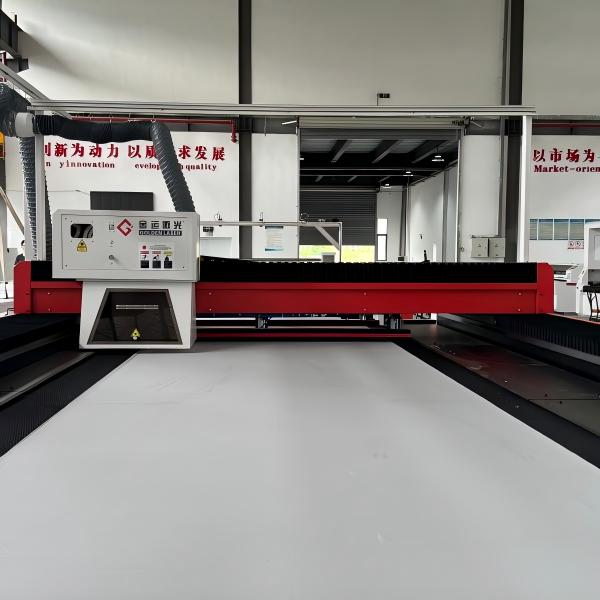
Sourcing reliable laser die cutting machines requires careful consideration of suppliers and manufacturers. Established manufacturers like Golden Laser, with over 20 years of experience, are ideal candidates due to their proven track record and extensive product range, which includes both standard and customized solutions
Buyers should evaluate suppliers based on their production capabilities, including the types of materials they can handle and their quality control processes. Visiting manufacturing facilities (if possible) and requesting product demonstrations can provide insight into the machine's performance and reliability
It’s also advisable to secure references from existing customers and check for certifications that validate the manufacturer's compliance with industry standards. Online industrial marketplaces can also serve as platforms to compare various suppliers, but ensure to verify their credibility through reviews and testimonials
Understanding the Cost Factors of Laser Die Cutting Machines
The cost of laser die cutting machines can vary significantly based on several factors. Initial purchase price is influenced by machine specifications, such as power and capabilities. High-power machines with advanced features will command a premium price
Operating costs, including maintenance, energy consumption, and consumables (like lenses and mirrors), should also be factored into the total cost of ownership. Buyers should inquire about warranty terms and after-sales support, as these can impact long-term operational costs
Customization requirements may further affect pricing. If a buyer needs specific modifications or features tailored to their production line, this can lead to additional costs. Lastly, the volume of the order can also influence pricing; many manufacturers offer discounts for bulk purchases
Applications of Laser Die Cutting Machines in Various Industries
Laser die cutting machines find applications across many industries, including printing and packaging, signage, and automotive sectors. In printing and packaging, these machines enable intricate designs and precise cuts, enhancing product presentation and reducing material wastage. This is particularly beneficial for custom packaging solutions where unique shapes and sizes are required
In the signage industry, laser cutting allows for detailed designs in materials like acrylic and wood, creating visually appealing signs that attract customers. The automotive sector utilizes laser die cutting for parts and components, where precision and consistency are paramount for safety and performance
Moreover, the versatility of laser die cutting machines means they can handle a wide range of materials, including textiles, plastics, and metals, making them valuable across various applications from prototyping to mass production
Common Problems with Laser Die Cutting Machines and Their Solutions
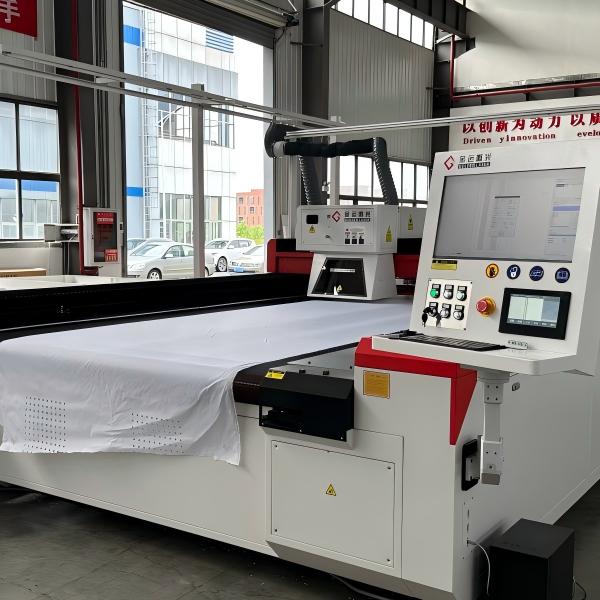
While laser die cutting machines are efficient, they can encounter common issues that may disrupt production. One frequent problem is inconsistent cutting quality, which can stem from misalignment or worn-out components. Regular maintenance and calibrating the machine can mitigate these issues
Another concern is the buildup of residue on the lens, which can affect cutting precision. Implementing a routine cleaning schedule can help maintain optimal performance. Additionally, ensuring proper ventilation can prevent overheating, which could lead to machine failure
Buyers should also be aware of potential material compatibility issues. Not all materials are suitable for every type of laser; buyers should consult the manufacturer to verify material compatibility and recommended settings for best results
By being proactive in addressing these common challenges, buyers can ensure their laser die cutting machines operate efficiently, thereby maximizing their investment in this advanced technology