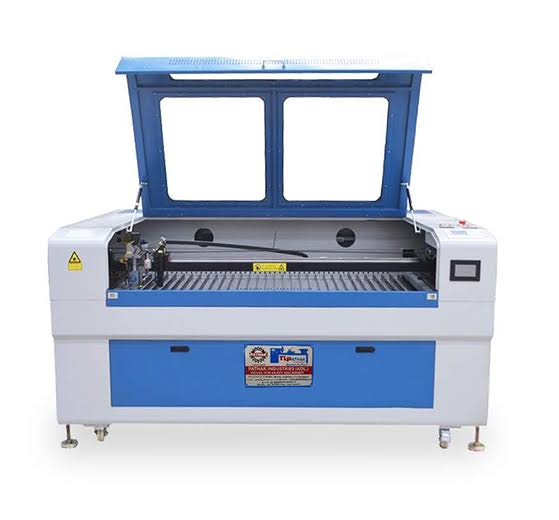
CO2 laser cutting machines are vital tools in the manufacturing landscape, particularly for tasks involving precise cutting, engraving, and marking across various materials. Understanding the key components of CO2 laser cutting machines is essential for B2B buyers—whether they are purchasing managers, engineers, or product managers. This article will delve into the specifications, applications, potential problems, installation guidelines, and crucial information buyers should consider, helping readers make informed decisions tailored to their unique operational needs
Key Specifications for High-Quality CO2 Laser Cutting Machines
When evaluating CO2 laser cutting machines, several key specifications are crucial for ensuring optimal performance and suitability for specific applications
Laser Power: The wattage of the laser significantly influences cutting speed and thickness capacity. Common wattage ranges from 40W to 150W, with higher wattages enabling the cutting of thicker materials at faster speeds. Buyers should consider the materials they plan to cut and select a machine with adequate power to meet those requirements
Cutting Speed: Measured in millimeters per second (mm/s), cutting speed is critical for operational efficiency. A faster cutting speed can improve productivity, but it must be balanced with the laser's precision capabilities
Bed Size: The dimensions of the cutting bed determine the maximum size of the materials that can be processed. It is vital to select a machine with a bed size that accommodates the largest workpieces typically used in your operations
Material Compatibility: CO2 laser cutting machines are versatile and can work with various materials, including acrylic, wood, fabric, and certain metals. Understanding the machine's compatibility with specific materials is essential for maximizing its utility
Cooling System: An efficient cooling system, such as water or air cooling, helps maintain optimal operating temperatures, extending the lifespan of the laser and ensuring consistent performance
Control Software: The capabilities of the control software impact user-friendliness and functionality. Look for software that allows easy design uploads, precise adjustments, and compatibility with various design formats
Applications of CO2 Laser Cutting in Various Industries
CO2 laser cutting machines have a broad range of applications across several industries, making them valuable assets for many businesses
Printing and Packaging: In this sector, CO2 lasers are used for cutting and engraving packaging materials, creating intricate designs, and enhancing branding through detailed markings
Signage: The signage industry leverages CO2 lasers to produce high-quality, customized signs from materials like acrylic and wood. The precision of laser cutting allows for detailed lettering and shapes
Automotive: CO2 lasers are employed in the automotive industry for cutting various components, including interior parts and insulation materials, ensuring high precision and minimal waste
Textiles and Fashion: In textiles, CO2 lasers cut fabrics with high accuracy, allowing for complex patterns and designs that enhance the final product's aesthetics
Electronics: The electronics industry uses CO2 lasers for engraving and cutting components, offering precise dimensions and minimal thermal distortion
These applications illustrate the versatility of CO2 laser cutting machines, making them essential for businesses looking to enhance productivity and quality
Common Problems with CO2 Laser Cutting and Their Solutions
While CO2 laser cutting machines offer numerous advantages, users may encounter specific challenges. Understanding these issues and their solutions can help ensure smooth operation
Inconsistent Cutting Quality: Variations in cutting quality may arise from improper alignment, incorrect power settings, or worn-out optics. Regular maintenance and calibration of the machine can help mitigate these issues. It's advisable to conduct routine checks on the laser alignment and replace optics as necessary
Material Burning: Overheating during cutting can lead to burned edges, especially in sensitive materials like acrylic. To prevent this, users should adjust the cutting speed and power settings. Utilizing air assist can also help cool the material and remove debris from the cutting area
Frequent Downtime: Frequent machine downtime can result from inadequate maintenance or poor-quality components. Implementing a regular maintenance schedule, including cleaning lenses and checking for wear on moving parts, can enhance reliability and reduce downtime
Software Compatibility Issues: Users may face challenges with software compatibility, leading to design upload failures. Ensuring that the software is up-to-date and compatible with various file formats can help alleviate this problem
By proactively addressing these common issues, users can enhance the efficiency and lifespan of their CO2 laser cutting machines
Installation Guidelines for CO2 Laser Cutting Systems
Proper installation of CO2 laser cutting systems is critical to achieving optimal performance. Here are some key guidelines
Location: Install the machine in a well-ventilated area away from direct sunlight and humidity. Adequate ventilation helps prevent overheating and ensures the laser operates efficiently
Power Supply: Ensure that the power supply matches the machine's specifications. A dedicated circuit is often recommended to avoid power fluctuations that could affect the laser's performance
Calibration: After installation, calibration is essential. This involves adjusting the laser focus, alignment, and cutting parameters to ensure precision. Users should refer to the manufacturer’s guidelines for specific calibration procedures
Safety Measures: Implement safety measures, including emergency stop buttons and proper protective equipment. Users should be trained on safe operation practices to minimize risks during operation
Following these installation guidelines can help users maximize the performance and safety of their CO2 laser cutting systems
What Buyers Should Know
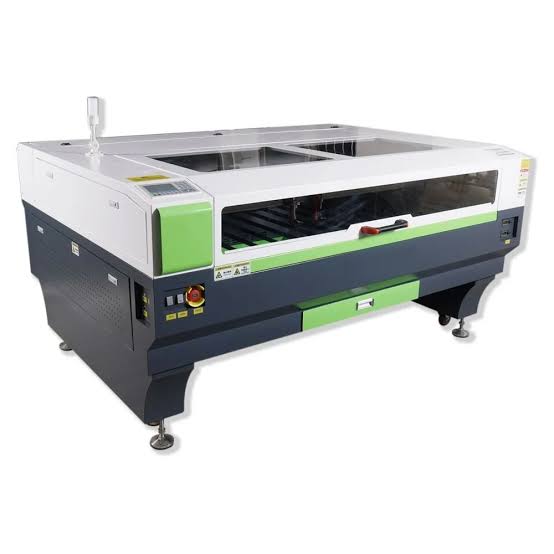
Before purchasing a CO2 laser cutting machine, buyers should consider several factors to ensure they make an informed decision
Customization Options: Many manufacturers offer customizable features, such as bed sizes and additional attachments. Buyers should identify their specific needs and discuss customization options with manufacturers to tailor the machine to their operations
After-Sales Support: Reliable after-sales support is crucial for addressing any operational issues that may arise. Buyers should inquire about warranty terms, technical support availability, and training options for operators
Total Cost of Ownership: Consider not only the initial purchase price but also maintenance costs, consumables, and potential repairs. A lower upfront cost may not result in savings if ongoing expenses are high
Supplier Reputation: Evaluating the manufacturer’s reputation in the industry can provide insights into product quality and customer service. Look for reviews and case studies from other users to gauge satisfaction levels
Lead Times: Understanding lead times for delivery and installation is vital for planning production schedules. Buyers should clarify these timelines with suppliers before placing an order
By keeping these considerations in mind, buyers can confidently select a CO2 laser cutting machine that meets their unique requirements and enhances their operational capabilities