CO2 Laser Marker: Ensuring Performance and Durability

Get a Free Quote

Our representative will contact you soon.
Email
Name
Company Name
Message
0/1000

co2 laser marker

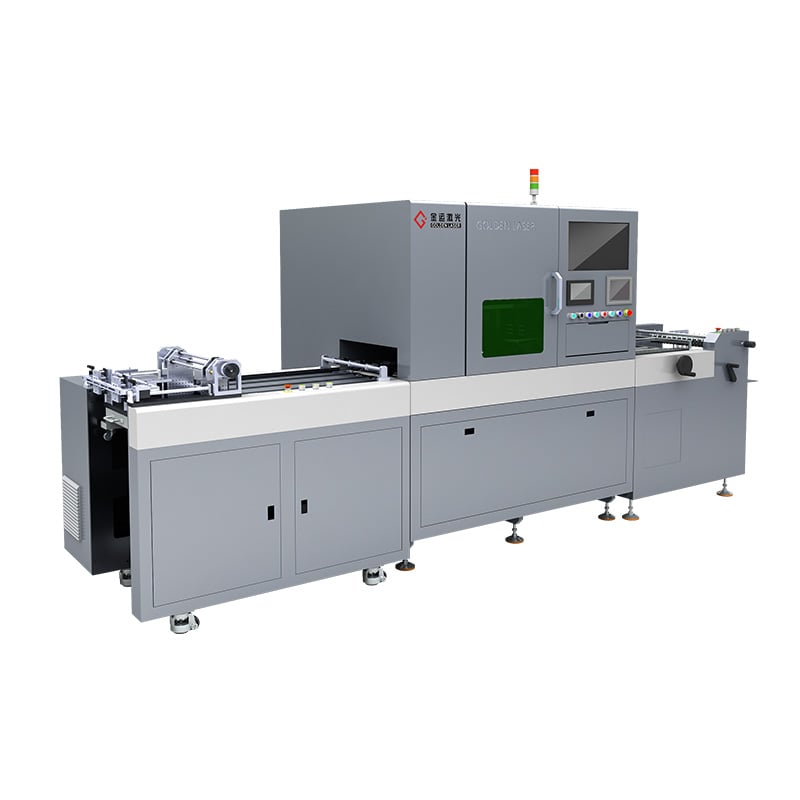
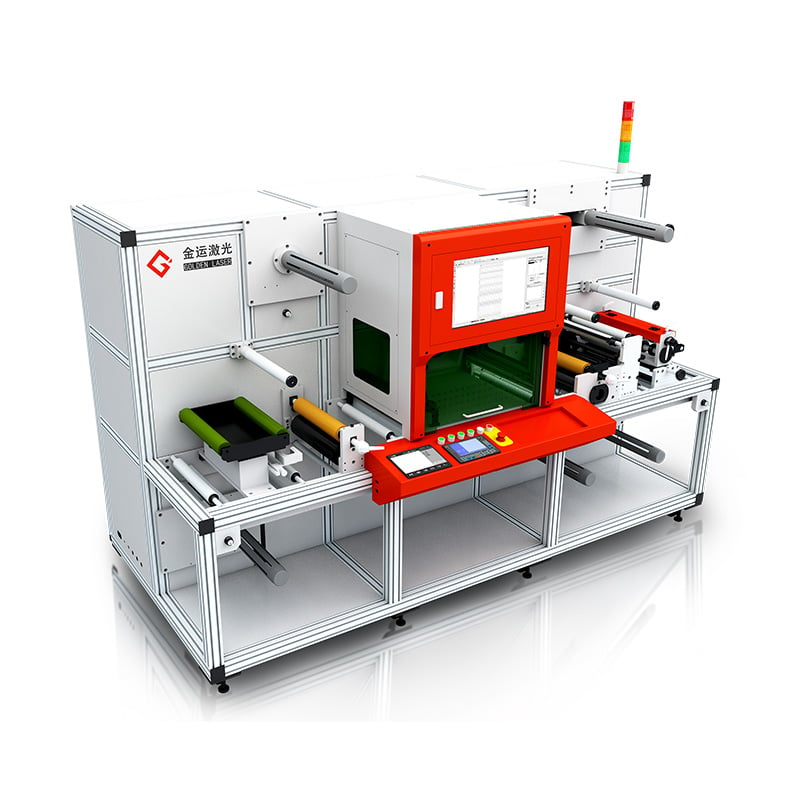
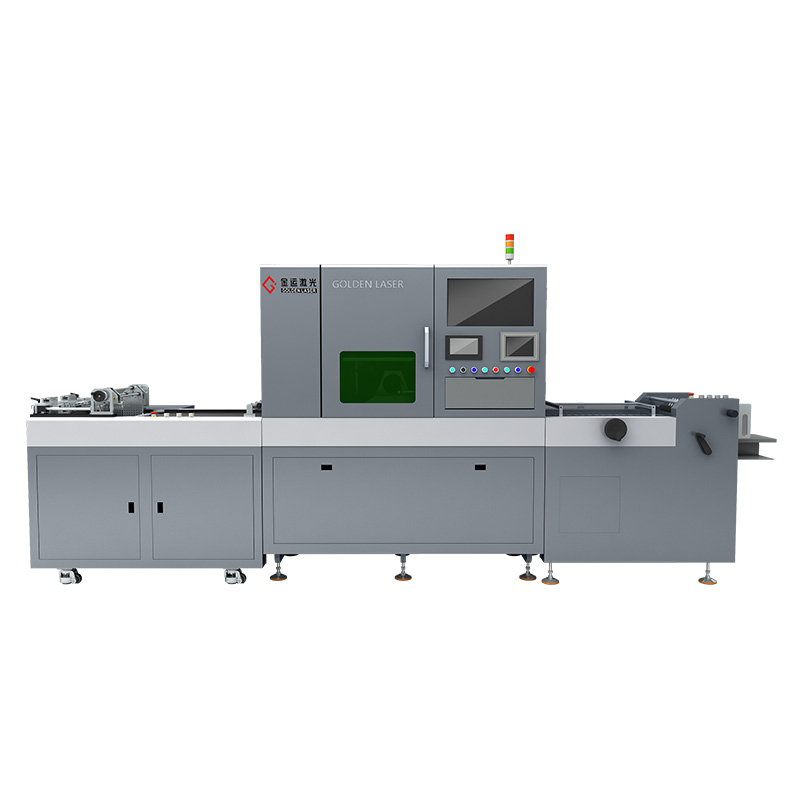
CO2 laser markers are precision  tools used  for engraving, marking, and cutting a wide array of materials in  various  manufacturing industries. As a  B2B buyer, your  primary  concerns when considering a  CO2  laser  marker likely include performance, durability, application suitability, and the  potential  for  customization to meet specific production  needs. This article will explore these aspects in detail, providing insights into  how  to  select the  right CO2  laser marker for your  operations.
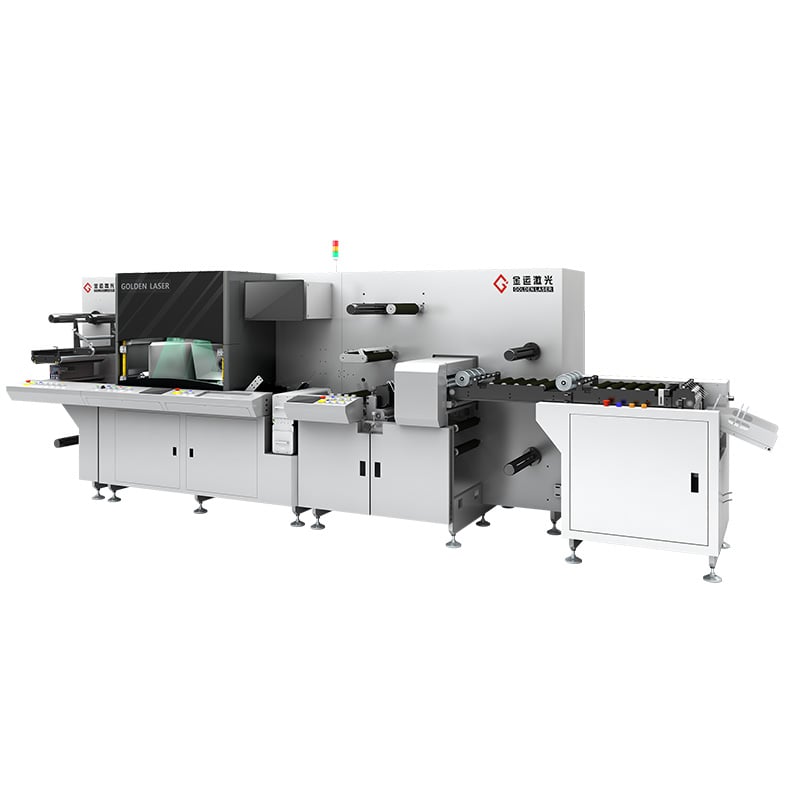
Our Products

Common Applications of CO2 Laser Markers in Manufacturing Industries

Common Applications of CO2 Laser Markers in Manufacturing Industries

CO2 laser markers are  widely used across several manufacturing  sectors due  to their versatility. Common applications include:

Packaging: They are used  to  print barcodes, logos, and batch numbers on packaging materials, ensuring clear and durable markings that withstand handling and transport.

Signage: In  the signage industry, CO2 lasers can  cut intricate designs and  engrave detailed information on various substrates,  such  as acrylic,  wood, and metal.

Automotive: CO2 lasers  mark parts and  components with precise identification codes or logos, contributing to traceability in manufacturing processes.

Textiles: These markers can engrave patterns or logos  onto  fabrics, allowing for customization  in the fashion and upholstery industries. Understanding  the  specific applications relevant to your  industry can help you determine the best features and specifications needed in a CO2 laser marker.

Features That Matter for Distributors

For distributors looking to  offer CO2 laser markers, several features should  be highlighted  to attract potential buyers:

Power Options: CO2 lasers come in  various power ratings, typically ranging from 30W to 150W. Higher wattage allows for faster engraving  and cutting speeds,  which can  be crucial for high-volume production environments.

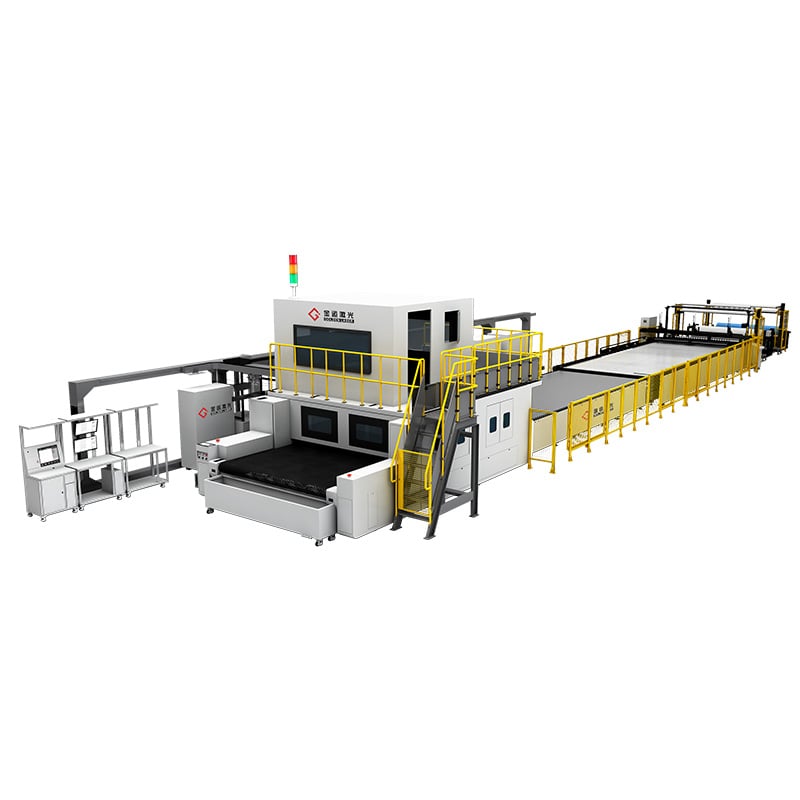
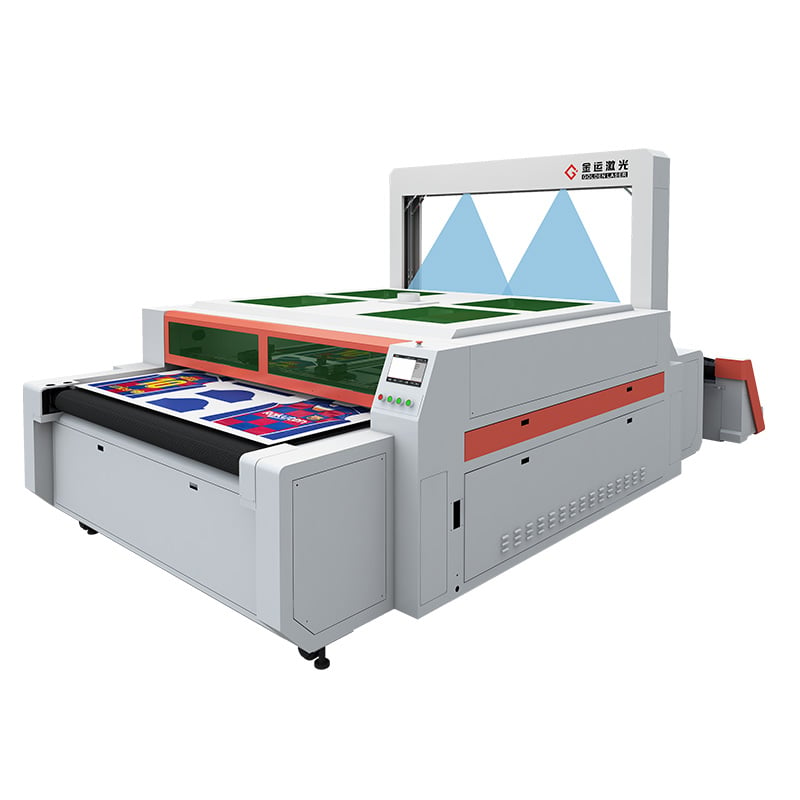
Material Compatibility: The ability to  work with various materials, including plastics, wood, glass, and  metals, will appeal  to a broader customer base.  Distributors should emphasize the marker's versatility in handling different substrates, including options such as the Visual Laser Cutting System.

User-Friendly Interface: A user-friendly software interface for designing and operating the laser marker can reduce training  time and improve efficiency for end-users.

Support and Service: Highlighting  the manufacturer's customer  support, availability of  spare parts, and training programs can establish trust and confidence in the distributor's offerings.

Customization Options: The ability to customize the laser  systems according to specific customer needs, including size and power adjustments, is a significant selling  point.

By focusing on these features, distributors can effectively communicate the benefits of CO2 laser  markers to potential buyers.

Troubleshooting Common Problems with CO2 Laser Markers and Solutions

Even the  best CO2 laser markers can encounter  issues during operation. Here  are some common problems and their solutions:

Poor Engraving Quality: This can occur  due to misalignment of the laser head or contamination on the lens. Regular cleaning of the optics and calibration of the machine can  help maintain engraving quality.

Inconsistent  Cutting Depth: Variations in material thickness or laser power settings may cause uneven cutting. Ensuring the material is consistently  fed and regularly checking the power settings can mitigate this issue.

Overheating: If the laser marker overheats, it may shut down or produce subpar results. Ensuring adequate cooling through proper ventilation and using  the machine  within its recommended duty cycle can help avoid overheating.

Software Glitches: Occasionally, software-related issues can disrupt operations. Keeping the software updated  and  having a  troubleshooting guide can assist operators in resolving these glitches quickly.

Understanding these common problems  enables  buyers  to prepare  for maintenance and operation  challenges, ensuring seamless production.

Enhancing Your Production Efficiency

To maximize the efficiency of CO2 laser markers in your production line, consider the following strategies:

Integration with Existing Systems: Ensure that the CO2 laser marker can seamlessly integrate with your  existing manufacturing setup. Compatibility with  your design software and production machinery can streamline  operations.

Regular Training: Providing regular training for operators can enhance their skills in using the machine  effectively, reducing errors  and downtime.

Routine Maintenance: Establishing a routine maintenance schedule  can prevent unexpected  breakdowns and prolong the  lifespan of the equipment. This  includes regular checks on the laser tube, optics,  and cooling  systems.

Data Tracking: Implementing data tracking for production runs can help identify trends, optimize workflows, and improve overall efficiency.

By focusing on these areas, manufacturers can ensure that their CO2 laser markers contribute positively  to their production efficiency and output  quality. understanding the intricacies of CO2 laser markers— from performance and durability to common applications and troubleshooting— equips B2B buyers with  the knowledge  needed to make informed purchasing decisions. For those considering an investment,  a thorough evaluation  of these factors will aid in selecting a laser marker that meets specific operational demands.

Ensuring Performance and Durability

When investing in  a  CO2 laser marker, performance and durability  are paramount.  These markers operate using a gas  laser that emits  a focused beam of light to  engrave or cut  materials  accurately. The  quality of the components,  such as the  laser tube, optics, and cooling systems, directly affects the machine's performance.

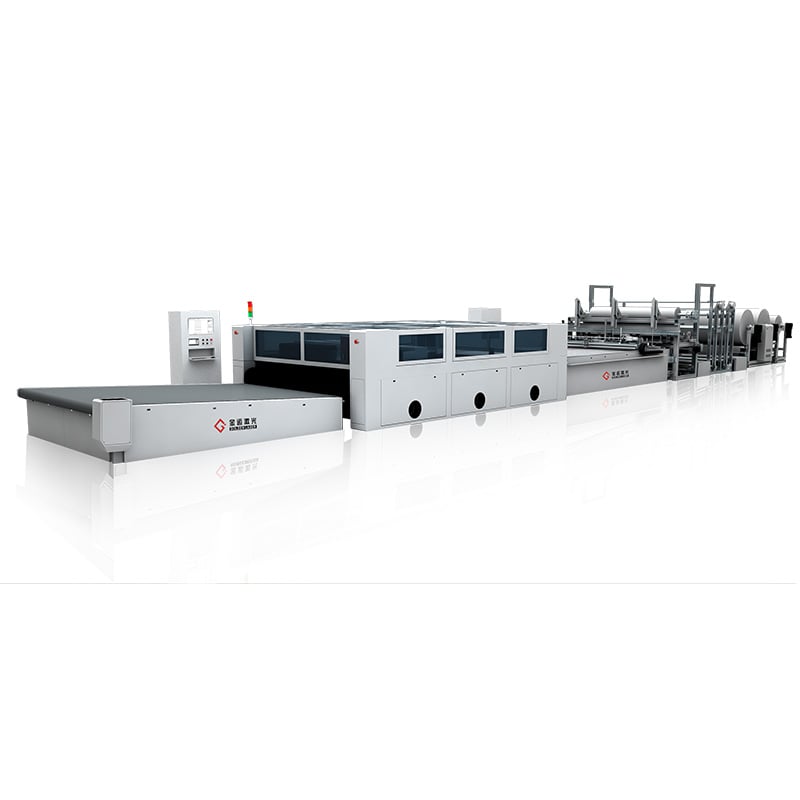
Durability is particularly important in  a manufacturing setting where  the laser marker operates continuously. High-quality materials and robust construction ensure that the machine can withstand the rigors of daily use. Buyers  should look for  markers that offer features like  sealed optics to prevent  dust and debris from affecting performance, as well as automated calibration  systems to maintain precision over  time. Regular maintenance schedules and support from the manufacturer can also enhance the longevity of the equipment. Additionally, exploring options like the Flatbed Laser Cutting System might provide insights into different types of laser systems available.

Get a Free Quote

Our representative will contact you soon.
Email
Name
Company Name
Message
0/1000

Related product categories