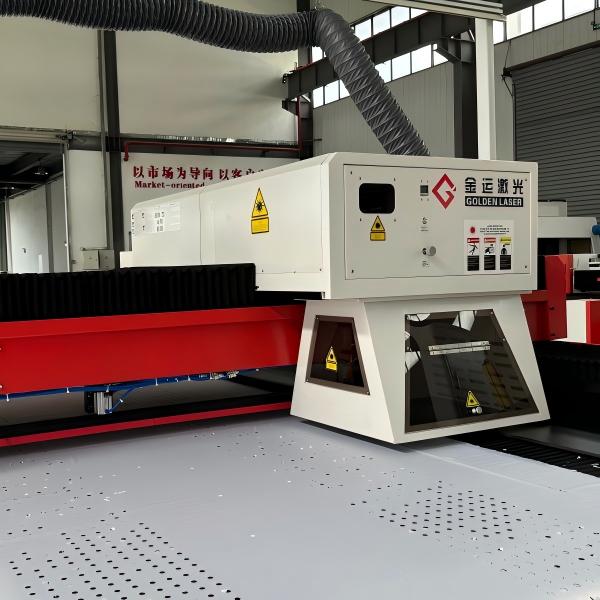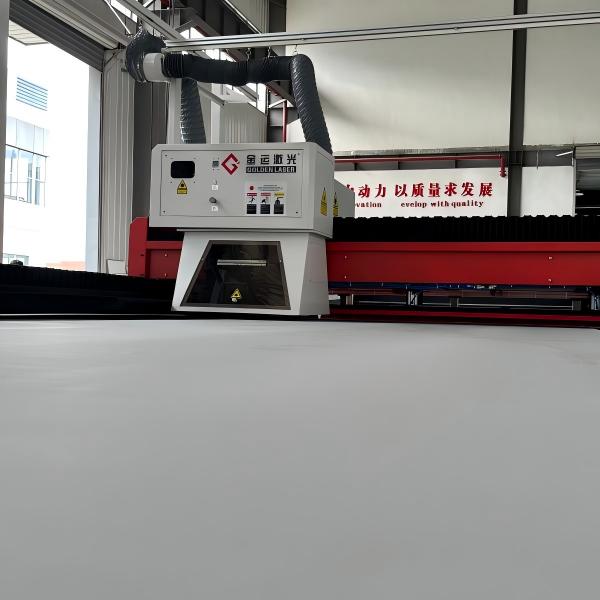
A flatbed laser cutter is a high-performance machine designed for precision cutting and engraving of various materials. In the B2B landscape, purchasing managers and engineers often face challenges in selecting the right equipment that meets their specific production needs. This article will provide insights into choosing an appropriate flatbed laser cutter, comparing specifications, understanding quality control standards, sourcing for bulk orders, and evaluating cost factors—helping you make an informed purchasing decision.
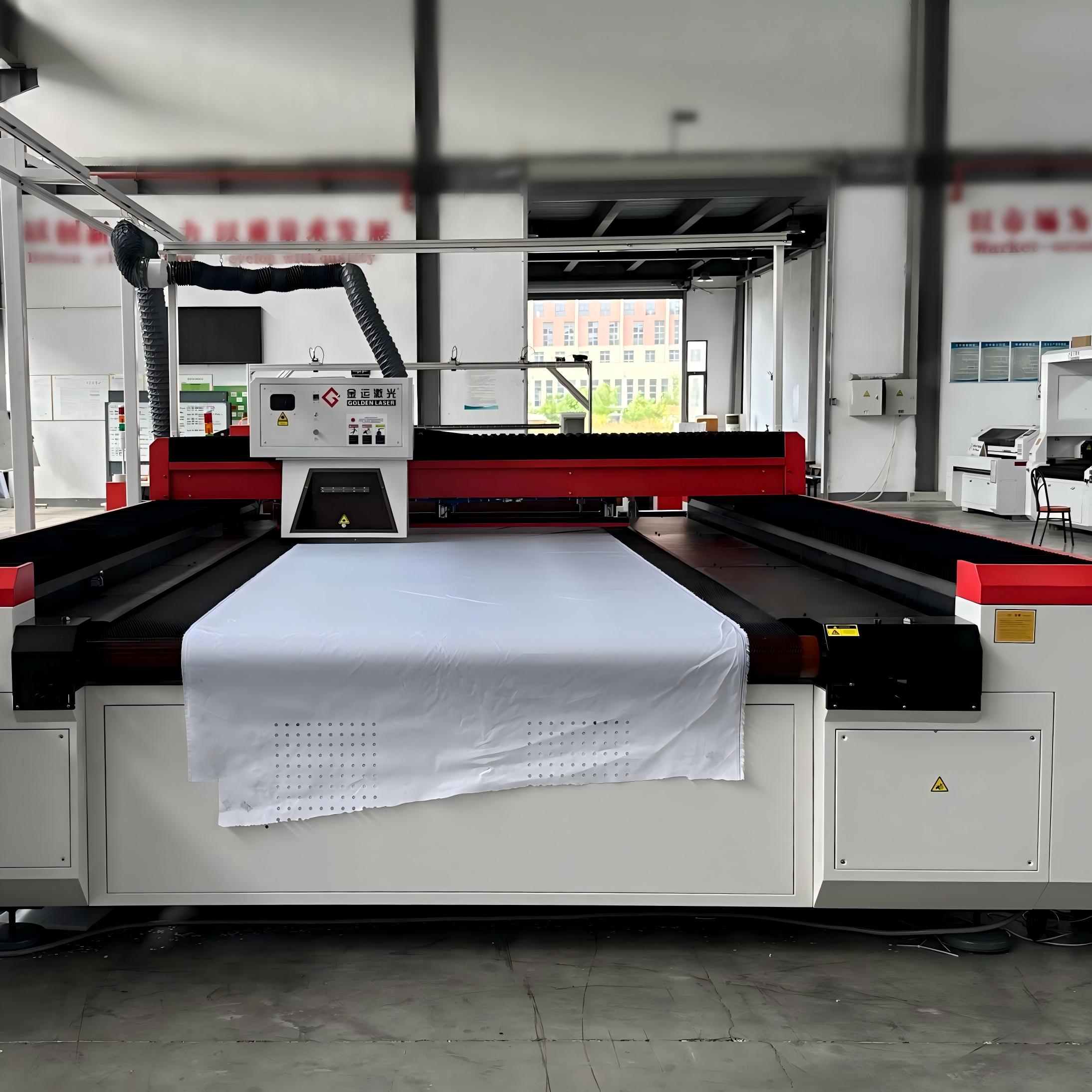
Comparing Flatbed Laser Cutter Specifications for Wholesale Buyers
When assessing flatbed laser cutter specifications, focus on the following key parameters:
Laser Type: CO2 lasers are commonly used for non-metal materials, while fiber lasers are better suited for metals. Understanding the material you will primarily work with will guide your choice.
Cutting Area: The dimensions of the cutting bed dictate the maximum size of the materials you can process. Ensure the bed size aligns with your typical material dimensions.
Power Output: Measured in watts, the power output affects the cutter's ability to handle various thicknesses. Higher wattage allows for cutting thicker materials but may not be necessary for lighter applications.
Speed and Acceleration: Look for specifications detailing the machine's cutting speed (measured in mm/s) and acceleration rates. These factors directly impact productivity and efficiency.
Software Features: Advanced software can enhance design capabilities and improve workflow. Features such as nesting algorithms, job scheduling, and remote operation can significantly increase efficiency.
Understanding these specifications will enable you to make meaningful comparisons between different models and suppliers, ensuring you choose a machine that meets your operational demands.