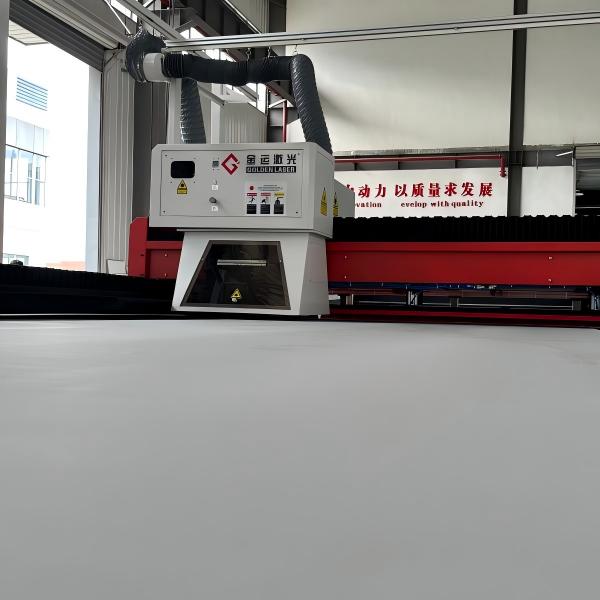
Choosing the Right Flatbed Laser Cutter for Your Business

Get a Free Quote

Our representative will contact you soon.
Email
Name
Company Name
Message
0/1000

flatbed laser cutter

A flatbed laser cutter is a  high-performance  machine designed for  precision  cutting and engraving of various materials. In the B2B landscape, purchasing  managers and  engineers  often face challenges  in selecting  the  right  equipment  that meets their specific production needs. This article will provide insights into choosing an  appropriate flatbed laser cutter, comparing  specifications, understanding  quality control  standards, sourcing for  bulk  orders, and  evaluating cost factors—helping you make an informed purchasing decision.
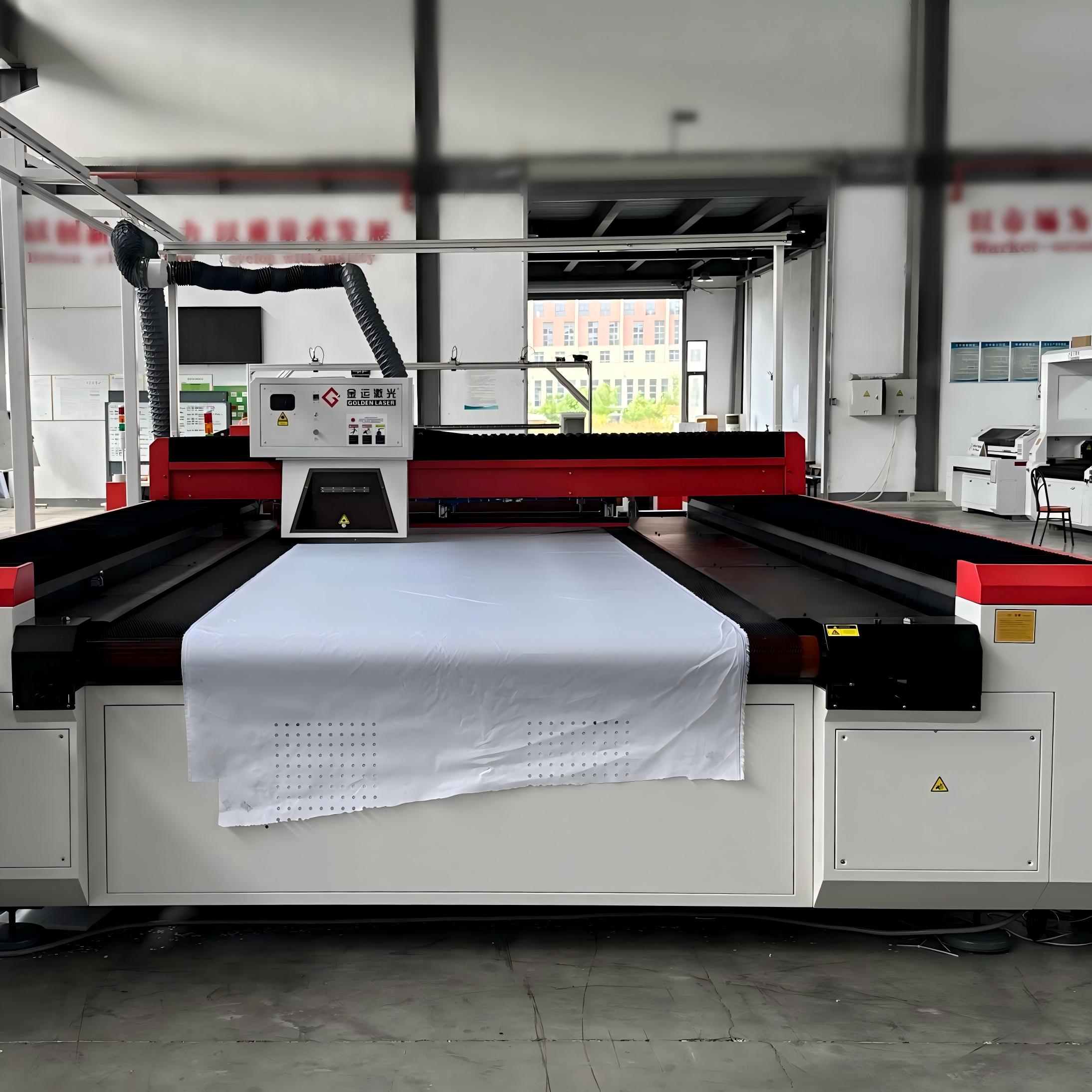
 
Comparing Flatbed Laser Cutter Specifications for Wholesale Buyers

Comparing Flatbed Laser Cutter Specifications for Wholesale Buyers

When assessing flatbed laser cutter specifications, focus on the following key  parameters:

Laser  Type: CO2 lasers are commonly used for non-metal materials, while fiber lasers are better suited for  metals.  Understanding the material  you will primarily work with will guide your  choice.

Cutting  Area: The  dimensions of the cutting bed dictate the maximum size of the materials you can process. Ensure the bed  size aligns with your typical material dimensions.

Power Output: Measured in watts, the power output affects the cutter's ability to handle various thicknesses. Higher wattage allows for cutting thicker materials but may not be necessary for lighter applications.

Speed and Acceleration: Look for specifications  detailing the machine's cutting  speed (measured in mm/s) and acceleration rates. These  factors directly impact productivity and efficiency.

Software Features: Advanced software can enhance design capabilities and improve workflow. Features such as nesting algorithms, job scheduling,  and  remote operation can  significantly increase efficiency.

Understanding these specifications will enable you to make meaningful  comparisons between different models and suppliers, ensuring you choose a  machine that meets your operational demands.
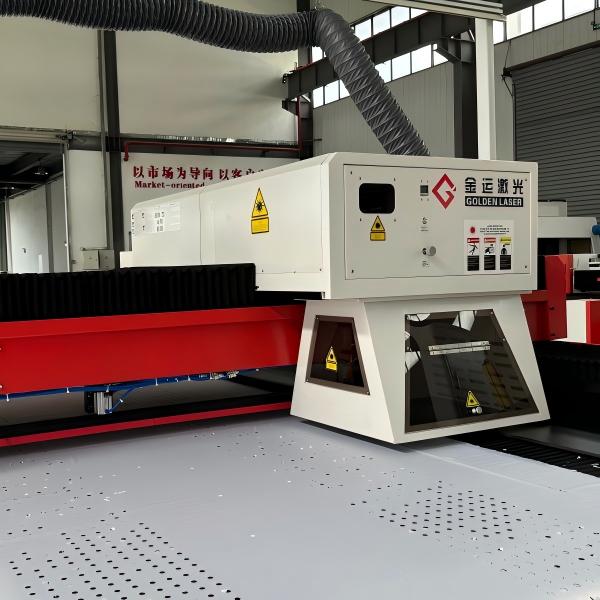
What to Know About Flatbed Laser Cutter Quality Control Standards

What to Know About Flatbed Laser Cutter Quality Control Standards

Quality control is paramount  in the  manufacturing  process of flatbed  laser cutters. Look for manufacturers that  adhere to stringent quality standards, such as ISO certifications, which indicate a commitment to maintaining high-quality production practices.  


Before finalizing your purchase, inquire about the manufacturer's testing procedures. A reputable supplier will  conduct rigorous testing on their machines, including performance tests on  various materials and thicknesses. This not only ensures  the  machine can perform as  expected but also helps identify any potential issues before the machine  reaches your facility.

Moreover, it’s  essential to  confirm what warranties and after-sales  support are offered.  A robust warranty  indicates  the  manufacturer’s confidence in their product, while accessible support can be  invaluable in troubleshooting any operational challenges you might face after installation.

Sourcing Flatbed Laser Cutters for Bulk Orders

Sourcing Flatbed Laser Cutters for Bulk Orders

When sourcing flatbed laser cutters for bulk orders, begin  by evaluating potential  suppliers based on their  production capacity, lead  times, and customization options. It is critical to discuss  your specific  needs  with manufacturers to ensure  they can accommodate your order volume without compromising on  quality or delivery timelines. Additionally, consider suppliers that offer a comprehensive service package, including installation, training, and ongoing maintenance support. This can significantly reduce downtime  during  the transition to new equipment  and  ensure your team is well-prepared to operate the machines efficiently. Establishing a solid  relationship with your supplier can  also lead to better  pricing and terms for bulk orders, making it a mutually beneficial arrangement. Don’t hesitate  to negotiate terms that work  best  for your business.

Cost Factors to Consider When Purchasing Flatbed Laser Cutters

The cost of a flatbed  laser cutter will vary  based on several factors, including  the machine's specifications, brand reputation, and additional features.  Here are key aspects that influence pricing:

Initial Investment vs. Long-Term Costs: While a lower  upfront cost may be tempting, consider the long-term operational  costs, including maintenance, consumables  (like  lenses  and mirrors), and energy consumption. A higher  initial  investment in a more efficient machine may lead to lower overall costs.


Customization Needs: Custom features or configurations tailored  to your specific applications may increase the initial cost but can enhance productivity and efficiency in the long run.

Shipping and Installation: Factor in transportation costs and installation services in your overall budget. Some manufacturers may offer free shipping or included installation, which can significantly  impact your total  expenditure.

Training and Support: Ensure to include costs associated with training your staff to operate the  new machinery  effectively. Adequate training can enhance operational efficiency and reduce the risk of errors.

By understanding these cost factors, you can better navigate the purchasing process and make a decision that aligns with your budget  and operational needs. 

Investing in a flatbed laser cutter is a significant commitment, and making an informed decision involves thorough research and understanding of your specific manufacturing requirements. By evaluating specifications, considering quality control standards, exploring sourcing options, and analyzing cost factors, you can confidently select  a flatbed laser cutter that will enhance your production capabilities. Additionally, it is worth exploring options like the Visual Laser Cutting System and Laser Die Cutting System for more specialized applications.

How to Choose the Right Flatbed Laser Cutter for Your Business Needs

Selecting the right flatbed laser cutter  involves assessing your operational requirements and understanding  the machine's capabilities. Key factors to consider include material types,  thickness, cutting speed,  and required precision. For instance, if your  business  focuses on intricate designs  in thin materials, a machine with high-speed cutting capabilities and  fine resolution is essential. Conversely, for  thicker materials, ensure  the cutter has sufficient power and appropriate  lens options for optimal performance.

Additionally, consider the machine's software compatibility. Modern flatbed laser  cutters often come with  advanced software that allows  for easier design manipulation and  integration  with existing production  systems. It’s advisable to  evaluate how well the machine  will fit into your current processes and whether it  can be easily updated to accommodate future technology advancements.

Get a Free Quote

Our representative will contact you soon.
Email
Name
Company Name
Message
0/1000

Related product categories