When it comes to industrial cutting applications, CO2 laser cutting machines are essential tools that offer precision and versatility. Golden Laser specializes in providing high-performance CO2 laser cutting machine solutions tailored to meet diverse industrial cutting needs. With over 20 years of expertise in the field, buyers often have specific concerns about machine specifications, sourcing, costs, materials, and potential operational issues. This article will help you navigate these considerations effectively to make informed purchasing decisions
Key Specifications to Consider When Evaluating Laser Cutting Machines
When evaluating CO2 laser cutting machines, several key specifications are crucial for ensuring the equipment meets your operational needs
Laser Power: The power of the CO2 laser, typically measured in watts, directly influences the cutting speed and thickness of materials that can be processed. Higher wattage machines can cut through thicker materials at faster speeds, making them suitable for heavy industrial applications
Cutting Area: The size of the cutting bed determines the dimensions of materials that can be processed. Ensure that the machine's cutting area aligns with your largest material specifications
Speed and Acceleration: Look for specifications detailing the maximum cutting speed (usually in mm/min) and acceleration rates, as these affect overall productivity. Machines with faster speeds can significantly reduce production time
Material Compatibility: Different CO2 laser cutting machines are designed for specific materials. Verify that the machine you choose can efficiently cut the materials you use, such as acrylic, wood, or textiles
Control System: A user-friendly control system can enhance operational efficiency. Look for machines that offer intuitive interfaces and compatibility with various design software
Understanding these specifications helps ensure that the machine chosen aligns with your production requirements and operational goals
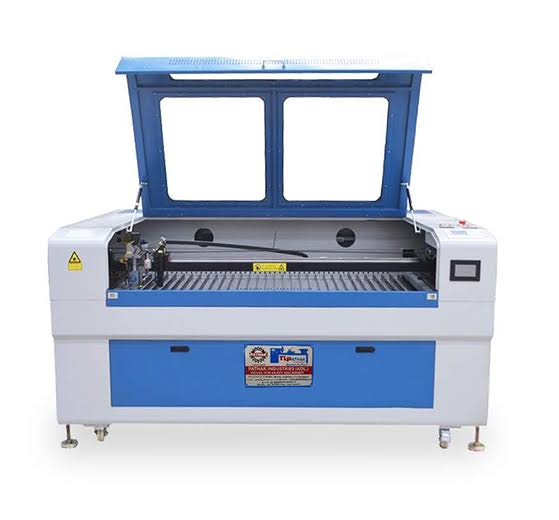
Where to Source Reliable CO2 Laser Cutting Machines in Bulk
Sourcing bulk CO2 laser cutting machines requires careful consideration of suppliers to ensure reliability and quality
Established Manufacturers: Look for manufacturers like Golden Laser, known for their long-standing expertise in laser cutting technology. Companies with over two decades in the industry often have proven track records and robust customer support systems
Industry Trade Shows: Attending trade shows can offer direct access to multiple manufacturers and suppliers. This allows for hands-on demonstrations of equipment, discussions with technical representatives, and an opportunity to assess various machine capabilities
Online Marketplaces and B2B Platforms: Websites that connect manufacturers with buyers can be a good resource for bulk purchases. However, ensure you conduct thorough research and check customer reviews to avoid unreliable suppliers
Local Distributors: Engaging with local distributors can provide insights into the best models for your specific market needs and may offer after-sales support and maintenance services
Establishing a relationship with a reliable supplier can streamline the purchasing process and ensure ongoing support for your CO2 laser cutting solutions
Cost Factors for Wholesale Purchasing of Laser Cutting Equipment
Understanding the cost factors involved in purchasing CO2 laser cutting machines in bulk is essential for budgeting and long-term planning
Machine Specifications: Higher specifications usually lead to increased costs. For example, machines with higher wattage and larger cutting areas typically command higher prices. It's important to balance your budget with the specifications needed for your applications
Customization Options: Custom features may significantly affect pricing. If your operations require specific modifications or additional tooling, be aware that these can increase the overall cost
Shipping and Handling Costs: For bulk orders, shipping logistics can add to the cost. Consider factors such as distance, weight, and any special handling requirements
Warranty and Support: Investing in machines with comprehensive warranties and strong customer support can save money on repairs and downtime in the long run
Volume Discounts: Many manufacturers offer discounts for bulk purchases. Discuss potential volume pricing with your supplier to ensure you are maximizing your investment
By understanding these cost factors, you can make more informed purchasing decisions aligned with your budget and operational needs
Understanding Material Advantages for CO2 Laser Cutting Applications
The choice of materials for CO2 laser cutting plays a significant role in the efficiency and quality of the final product. Here’s a breakdown of common materials and their advantages
Acrylic: Known for its clarity and versatility, acrylic can be easily cut and engraved with CO2 lasers. It offers excellent detail and a smooth finish, making it ideal for signage and displays
Wood: Laser cutting wood provides precision and intricate designs. The ability to cut various thicknesses allows for applications in furniture, crafts, and architectural models
Textiles: CO2 lasers are effective for cutting fabrics in fashion and upholstery industries. They can create clean edges without fraying, enhancing the material's longevity
Paper and Cardboard: These materials are widely used in packaging and prototypes. Laser cutting allows for precise shapes and designs, making them suitable for intricate packaging applications
Plastics: Various plastics can be cut with CO2 lasers, each with specific properties. Understanding the thermal properties and cutting speed is essential for achieving optimal results
Being aware of the material advantages helps buyers select the right materials for their applications, ensuring quality and efficiency in production
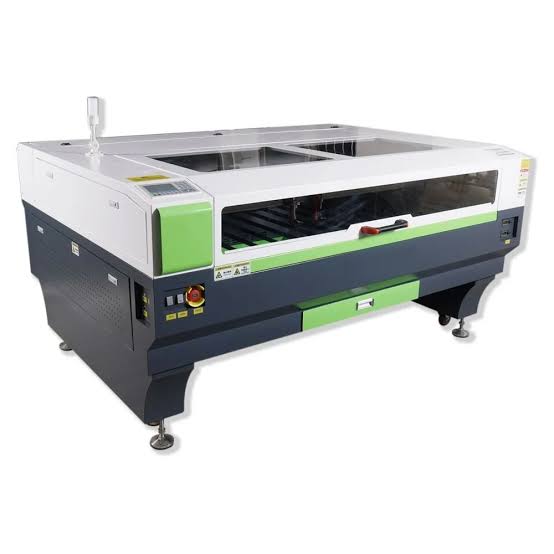
Common Problems with CO2 Laser Cutters and Effective Solutions
Despite their advantages, CO2 laser cutters can encounter several common issues. Here are potential problems and their solutions
Inconsistent Cutting Quality: Variations in cutting quality can arise from incorrect power settings or material inconsistencies. Regularly calibrating the machine and conducting tests on new materials can help ensure consistent results
Lens Contamination: The laser lens can accumulate residue from cutting materials, leading to reduced performance. Regular cleaning with appropriate solutions is essential to maintain cutting precision
Material Warping: Some materials, particularly plastics, may warp during cutting due to heat. Employing proper settings and cooling methods can minimize this issue
Software Compatibility Issues: Ensure that the design software used is fully compatible with the laser cutter’s control system. Proper training on software can help prevent operational errors
Maintenance Neglect: Regular maintenance is crucial for optimal performance. Establish a routine maintenance schedule to avoid operational downtime and costly repairs
By being aware of these common problems and their solutions, buyers can maintain their CO2 laser cutting machines effectively and ensure continuous productivity in their operations