Evaluating Textile Laser Cutting Machine Prices

Get a Free Quote

Our representative will contact you soon.
Email
Name
Company Name
Message
0/1000

textile laser cutting machine price

Textile laser cutting  machines offer  precision and  efficiency for various applications  in the textile industry. Understanding  the factors that influence the  textile laser cutting machine price  is essential  for  B2B buyers, such as purchasing  managers  and engineers, who are responsible for making informed purchasing decisions.  This article  will  explore key considerations, specifications, installation  issues,  and  application scenarios  to help  you evaluate options and find the right  solution for your business needs.
Our Products

How to Choose the Right Textile Laser Cutting Machine for Your Needs

How to Choose the Right Textile Laser Cutting Machine for Your Needs

Choosing the right textile laser  cutting machine involves evaluating your specific application requirements. Start by identifying the types of materials you will be cutting and  their thickness. For instance, if your application involves cutting thick fabrics or  multiple layers,  look for machines with  powerful laser systems that can handle such demands effectively.

Next, consider the scale of your operations. If you are a small manufacturer, a machine with lower  production capacity may  suffice, while larger operations might require high-speed,  high-capacity  models. It’s also essential to  evaluate the  machine’s software compatibility, as this can affect how easily you can integrate  it into your  existing workflows.

Customization options are  another consideration. Some manufacturers offer machines that can be tailored to your specific  production  needs, which  can enhance efficiency and  reduce waste. Be sure to discuss  any customization  requirements during the purchasing process.
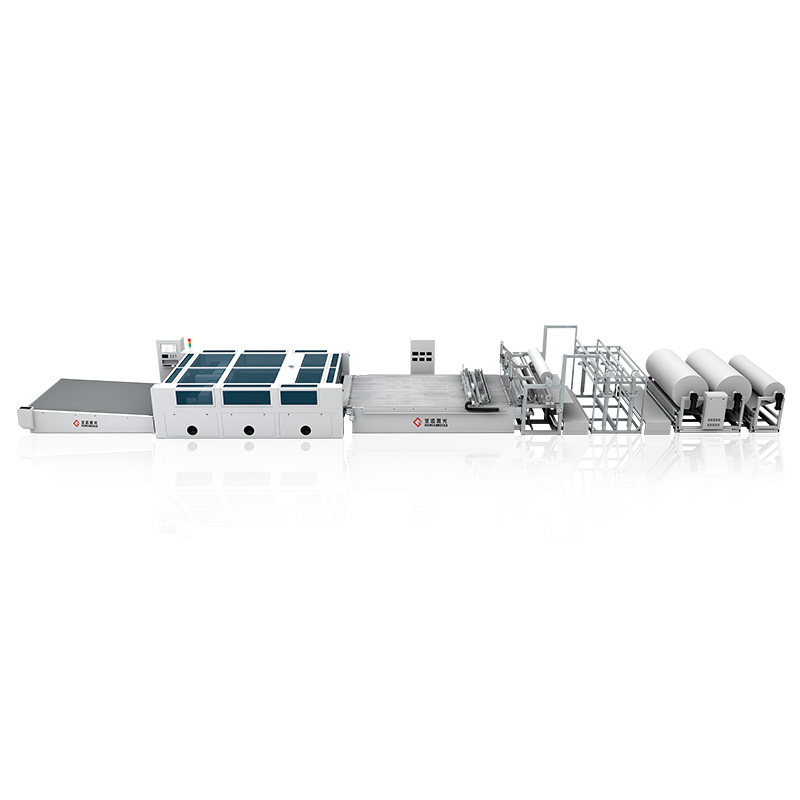
Comparing Specifications of Textile Laser Cutting Machines for Buyers

Comparing Specifications of Textile Laser Cutting Machines for Buyers

When comparing specifications, focus on  key parameters that will affect your machine's performance:

Laser Power: Measured  in  watts, higher power allows for faster cutting speeds and the ability to cut thicker materials. Generally, machines with 100W  to 150W are suitable for most textile applications.

Cutting  Area: The size of the cutting area determines the maximum size  of the material that can be processed.  Ensure the machine's cutting area aligns  with the dimensions of your typical projects.

Speed:  The cutting speed, often  measured in millimeters per second (mm/s), is crucial for productivity. Look for machines  that balance speed with precision to maintain quality.

Software Compatibility: Ensure the machine can  integrate with your  design software. Many modern  laser cutting machines  come with user-friendly interfaces that allow  for seamless operation.

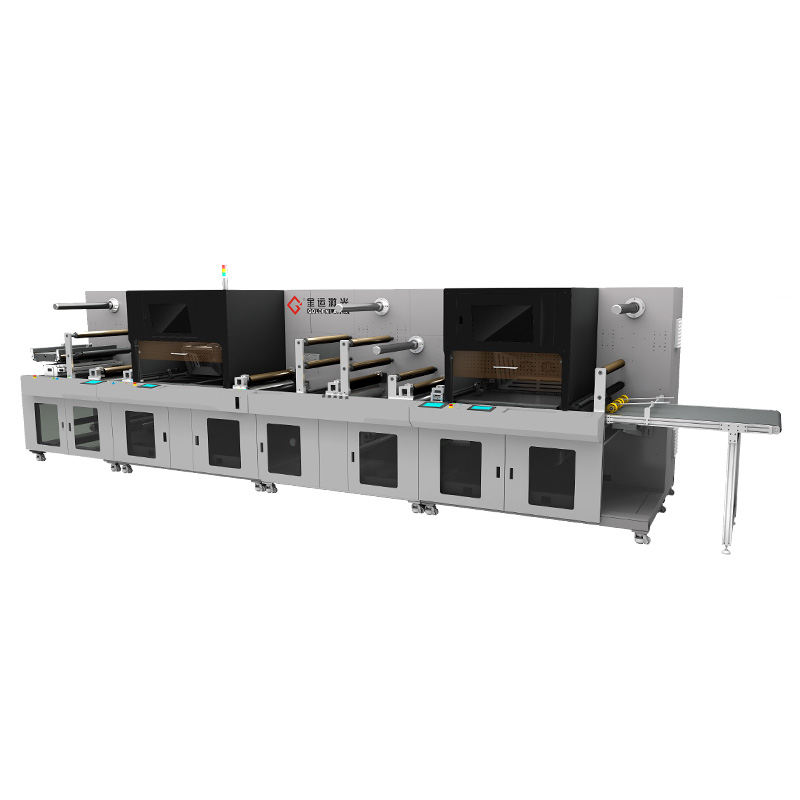
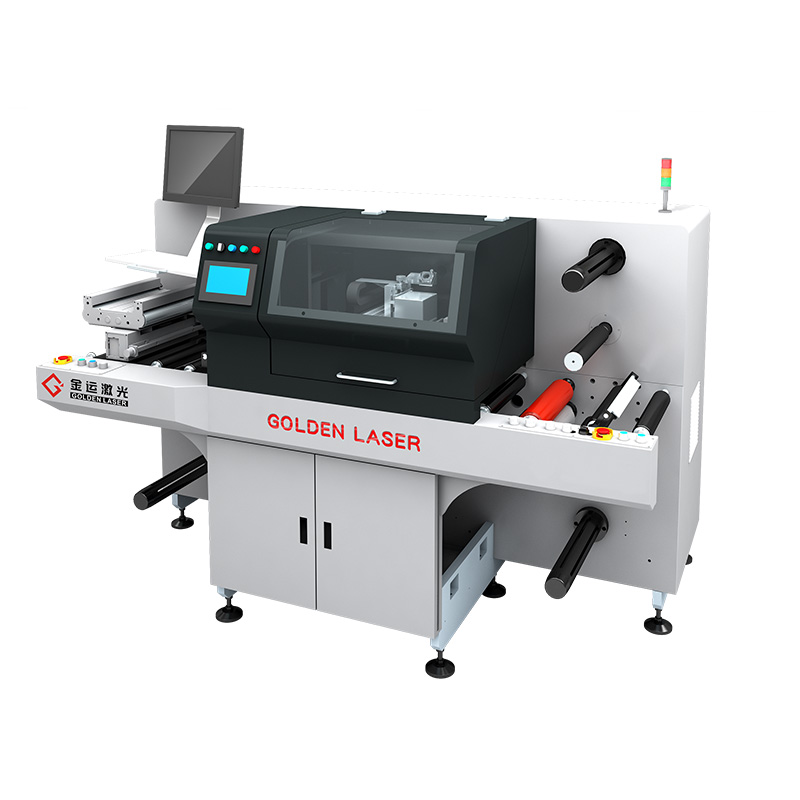
Material Versatility: Some machines  are designed to cut a wider range of materials, which could be beneficial  if your product offerings vary. Micro-lab Digital Laser Die Cutter is an example of a versatile option that can adapt to various materials.

These specifications will help you determine  which machines align with your production needs and budget.

Common Installation Issues with Textile Laser Cutting Machines and Solutions

Common Installation Issues with Textile Laser Cutting Machines and Solutions

Installing  a  textile laser cutting machine can  present several challenges. One common  issue is ensuring the machine is level and securely  positioned. An  uneven surface can affect cutting accuracy and cause mechanical problems over time. It’s advisable to use  a laser alignment tool during installation to confirm proper positioning.

Another potential issue is the electrical supply. Ensure that the machine’s power requirements match your  facility's electrical  system. If the voltage and amperage are not compatible,  it may lead to operational failures  or  damage. Consulting with  your electrical engineer prior  to installation can mitigate this risk.

Lastly,  proper ventilation is crucial when operating a laser cutter. The machine produces fumes and  particulates  during cutting,  which can affect air quality and  operator safety. Installing an appropriate exhaust system is essential.

Exploring Application Scenarios for Textile Laser Cutting Machines in Industry

Textile laser  cutting machines are utilized  across various sectors, including fashion, automotive, and home textiles. In the fashion industry, they are employed for intricate designs and patterns, allowing for precise cuts  that enhance  garment quality. For automotive applications, laser cutting is  used in producing components like  upholstery  and insulation materials, where  accuracy and durability are critical.

In the home textiles sector, laser cutting machines streamline the  production of curtains,  bedding, and upholstery. The ability to handle complex patterns and multiple layers with speed and precision makes them a  preferred choice for manufacturers aiming to improve efficiency and reduce waste.

Understanding these application scenarios will help you align your machine selection with  industry demands  and  improve your  competitive edge in the market.

By considering these factors, you can  make  a well-informed decision regarding the purchase  of a textile laser  cutting machine, ensuring it meets your  operational requirements while providing value for your investment.

What to Consider When Evaluating Textile Laser Cutting Machine Prices

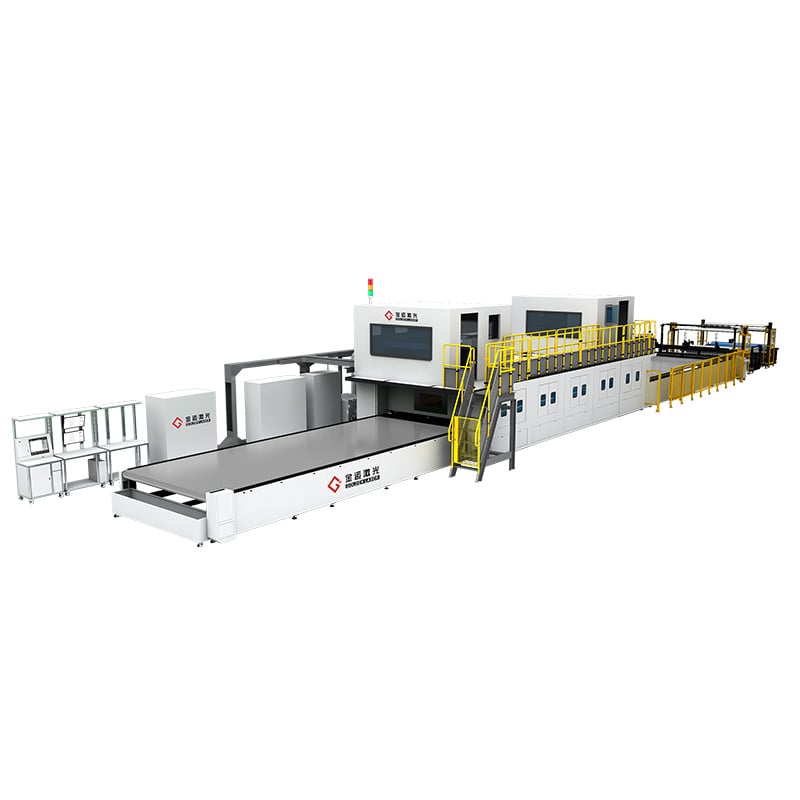
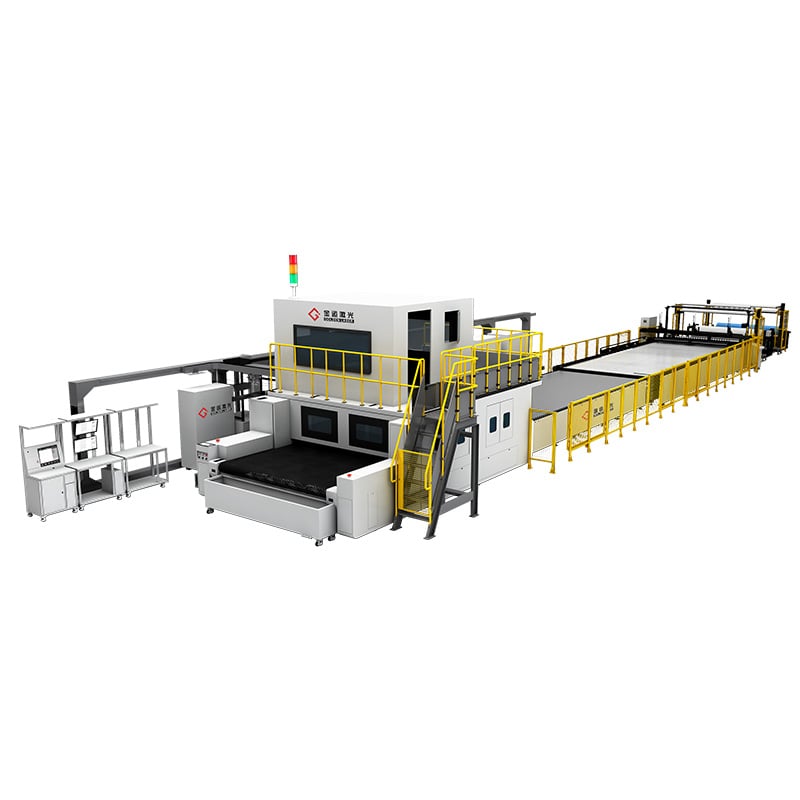
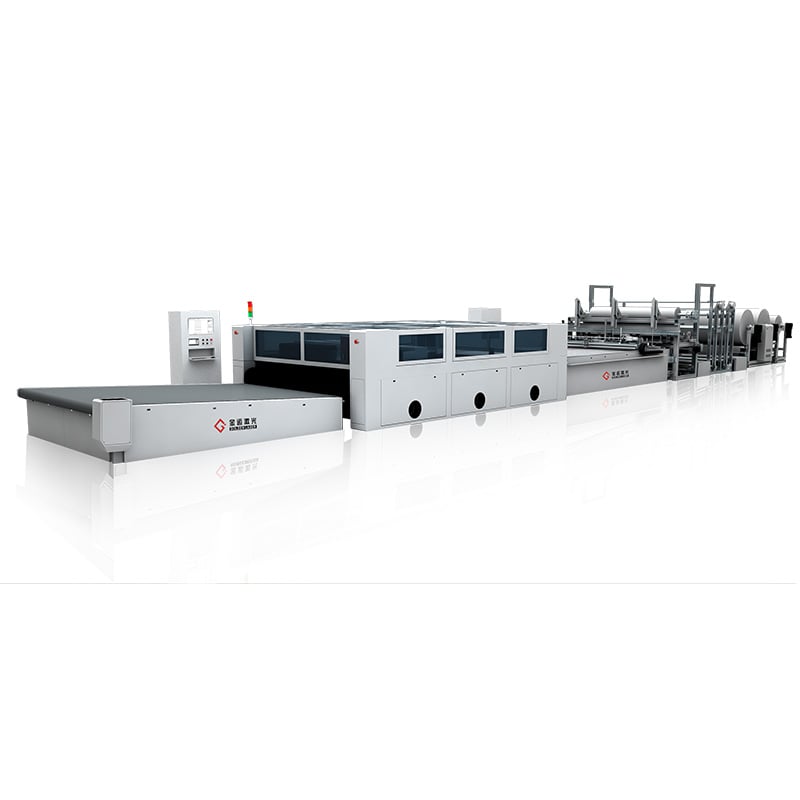
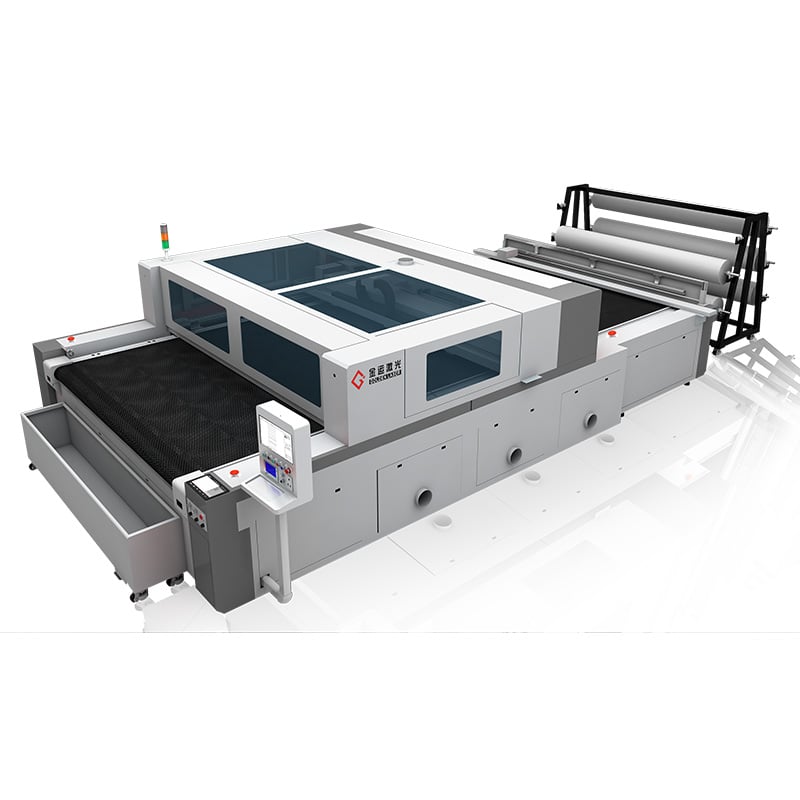
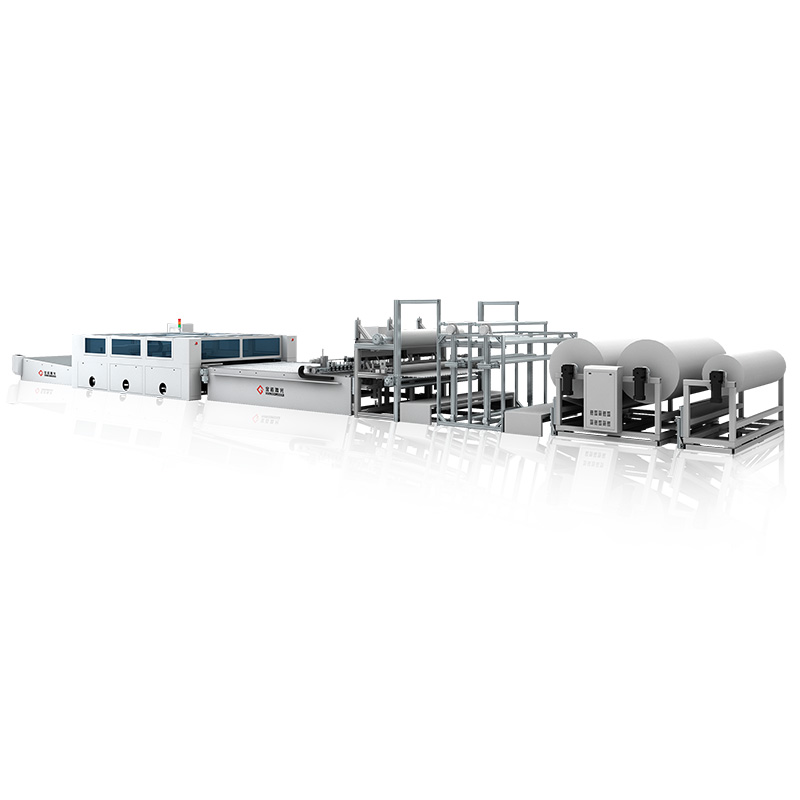
When assessing the price  of a textile laser cutting machine, several factors  come into play. First and  foremost, the machine's capabilities,  including  cutting speed, precision, and  versatility, can significantly impact pricing. Machines designed for high-performance applications often command higher prices due to  advanced technology and features. For instance, systems like the Large Format Visual Laser Cutting System are designed to provide exceptional capabilities that may justify their higher cost.

Material compatibility  is  another critical factor. Different machines may cater to specific materials, such  as natural fabrics, synthetics, or composites. Understanding  the material  requirements of your production process will aid in determining which machine  fits best, thereby affecting  the overall cost.

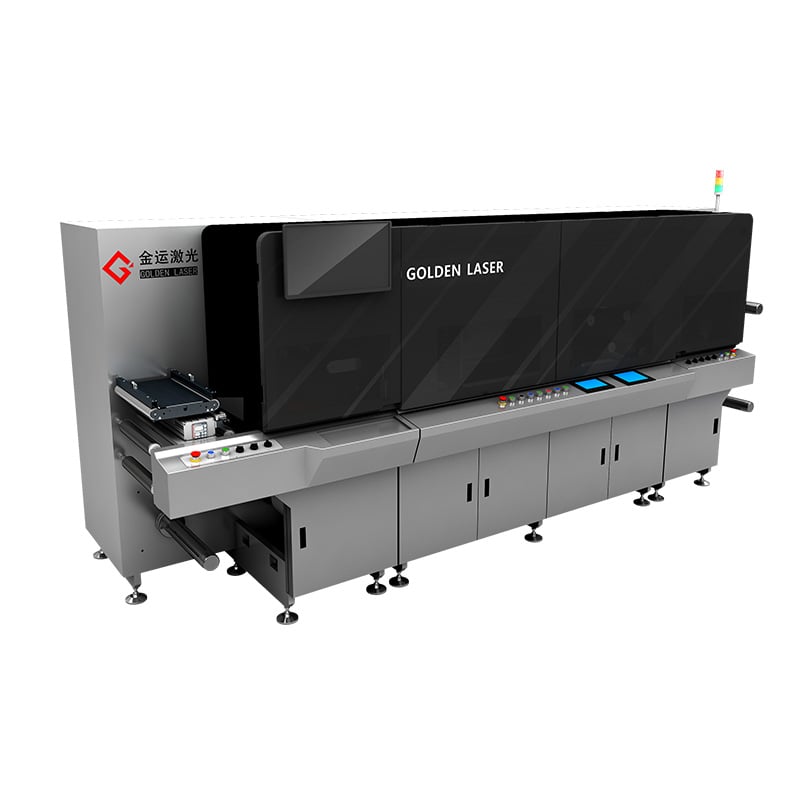
Additionally, consider the machine's production capacity and the manufacturer's reputation for quality and service. A  reputable manufacturer,  like Golden Laser, known for its innovative  technology and stable quality, may offer machines at a premium price but can save you costs in  the long run through  reduced downtime  and maintenance needs. For example, the Digital Laser Die Cutter is renowned for its reliability and efficiency.

Get a Free Quote

Our representative will contact you soon.
Email
Name
Company Name
Message
0/1000

Related product categories