Laser die cutting machines are a pivotal technology in digital manufacturing, enabling precise cutting and shaping of materials through a focused laser beam. As industries evolve towards more efficient and customizable production methods, understanding how laser die cutting machines support digital manufacturing becomes essential for purchasing managers, engineers, and product managers. This article will explore the impact of these machines on manufacturing efficiency, how to evaluate their quality, important cost considerations, common challenges, and their wide-ranging applications
How Laser Die Cutting Machines Enhance Digital Manufacturing Efficiency
Laser die cutting machines streamline production processes by offering high precision and speed. Unlike traditional cutting methods, laser technology minimizes material waste, allowing manufacturers to maximize their resources. The machines can handle various materials, including paper, plastic, and textiles, making them versatile for different applications
One key efficiency factor is the ability to create intricate designs without requiring extensive tooling setup. This not only reduces lead times but also allows for rapid prototyping. Manufacturers can quickly adjust designs based on customer feedback, which is crucial in fast-paced markets. Furthermore, automated features in modern laser die cutting machines ensure consistent quality across production runs, which is vital for maintaining brand standards and meeting customer expectations
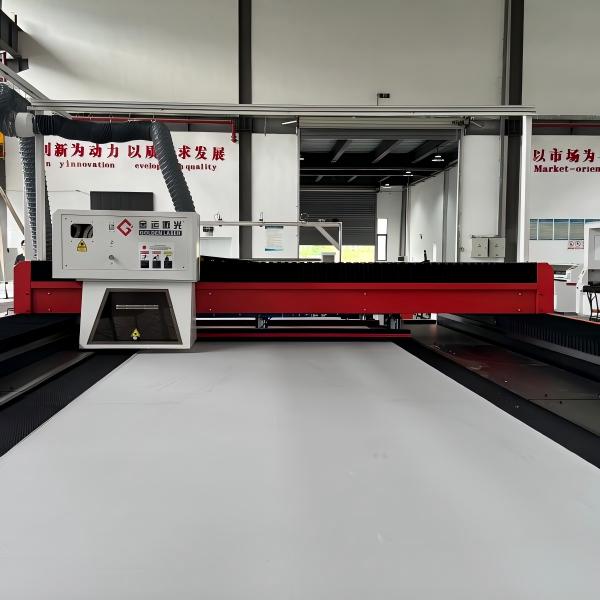
Evaluating the Quality of Laser Die Cutting Machines for Your Projects
When assessing laser die cutting machines, several specifications must be considered to ensure they meet project requirements. Key factors include laser power, speed, and cutting area size. Higher wattage typically provides faster cutting speeds and the ability to handle thicker materials. Buyers should verify that the machine's specifications align with the materials and thicknesses they plan to use
Additionally, consider the machine's software capabilities. Advanced software can enhance design flexibility and integration with existing digital workflows. It's also advisable to request samples of finished products from the manufacturer to evaluate the quality of cuts, edge finishes, and overall performance. A thorough inspection of these samples, particularly under actual operating conditions, can reveal potential issues that might not be apparent from technical specifications alone
Cost Factors to Consider When Investing in Laser Die Cutting Technology
Investing in laser die cutting technology involves several cost considerations beyond the initial purchase price. Buyers should evaluate the total cost of ownership, which includes maintenance, operational costs, and potential training for staff. It's important to understand the expected lifespan of the machine and the availability of replacement parts
Another significant cost factor is material compatibility. Different materials may require specific laser settings, and the cost of consumables like lenses and mirrors should be factored into the budget. Additionally, consider the potential for increased production efficiency. A machine that reduces cycle times may justify a higher upfront investment through long-term savings
Lastly, explore financing options or leasing arrangements that could make the acquisition more financially manageable. Evaluating the return on investment (ROI) based on increased production capabilities and market responsiveness will help in making a well-informed decision
Common Problems in Laser Die Cutting and Effective Solutions
Despite their advantages, laser die cutting machines can encounter several common issues. One frequent problem is material distortion due to excessive heat exposure. This can lead to warped cuts, particularly with sensitive materials. To mitigate this, operators should adjust laser power and speed according to the material being processed and ensure proper cooling methods are in place
Another challenge is the accumulation of debris on cutting lenses, which can affect performance. Regular maintenance schedules and cleaning protocols are essential to maintain optimal machine function. Additionally, operators should be trained to recognize when the machine is not performing at its best, allowing for quick troubleshooting
Communication with the manufacturer can also provide insights into common operational issues and recommended solutions. With over 20 years of experience, a reputable manufacturer like Golden Laser can offer valuable support and service to help address these challenges effectively
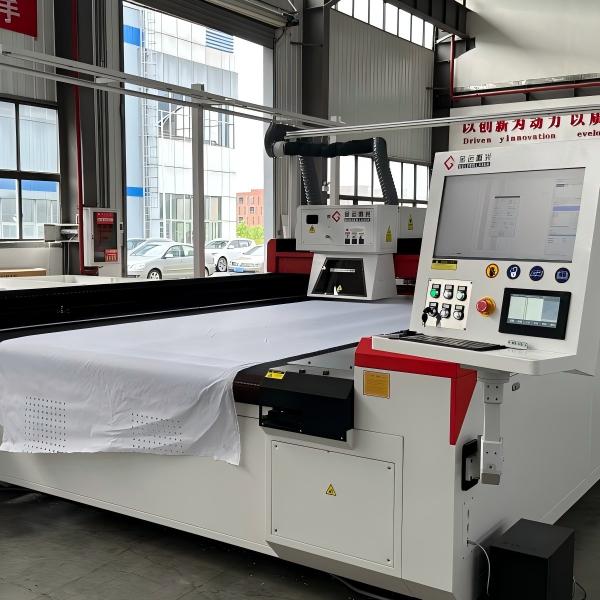
Applications of Laser Die Cutting Machines in Various Industries
Laser die cutting machines find applications across diverse sectors, including printing, packaging, signage, and automotive. In the printing industry, they are used to create intricate designs and prototypes quickly, allowing for innovative marketing materials that stand out
The packaging sector benefits from laser die cutting technology through its ability to produce customized packaging solutions that meet specific client needs. This is particularly relevant in e-commerce, where unique packaging can enhance brand recognition
In signage, the precision of laser cutting allows for detailed and custom signage that can be produced in various materials to suit different environments. The automotive industry utilizes laser die cutting for components that require high precision and consistency, such as interior parts and electronic components
Overall, the versatility of laser die cutting machines makes them indispensable tools in modern manufacturing, enabling companies to meet ever-changing market demands with speed and accuracy. By understanding the intricacies of this technology, B2B buyers can make informed purchasing decisions that will enhance their production capabilities and efficiency