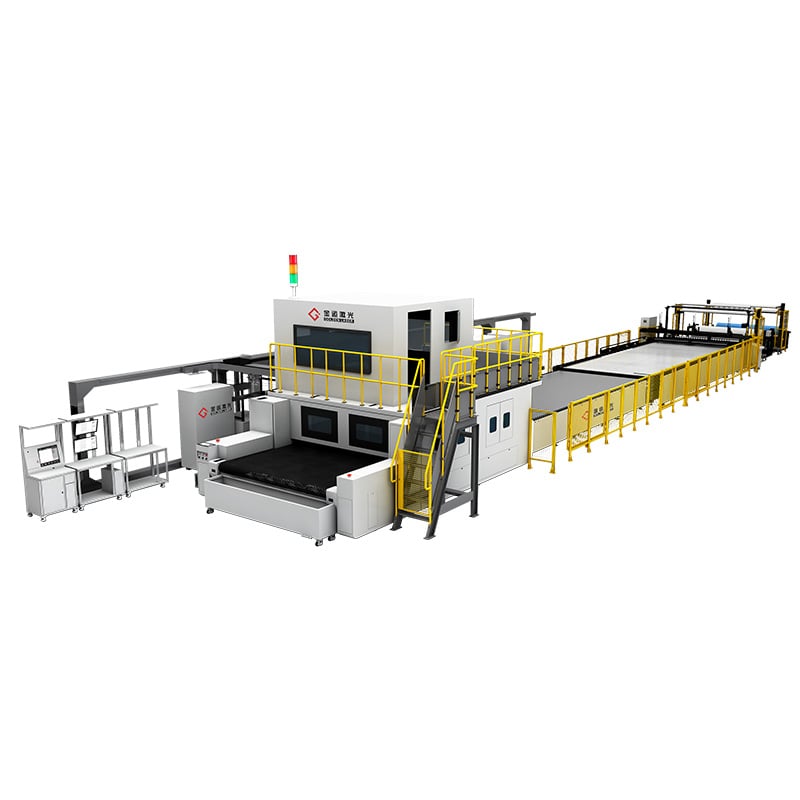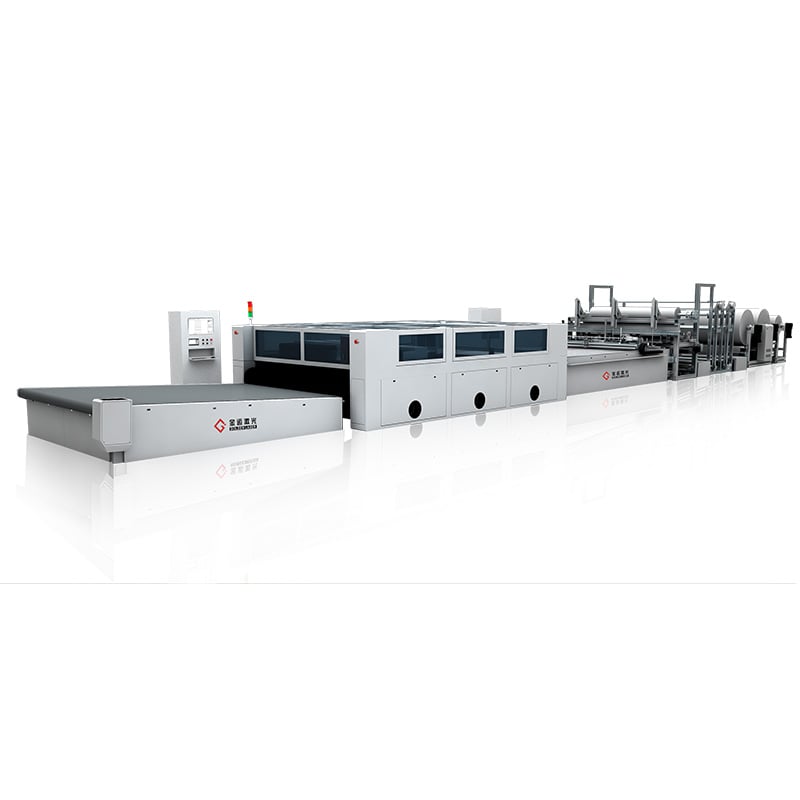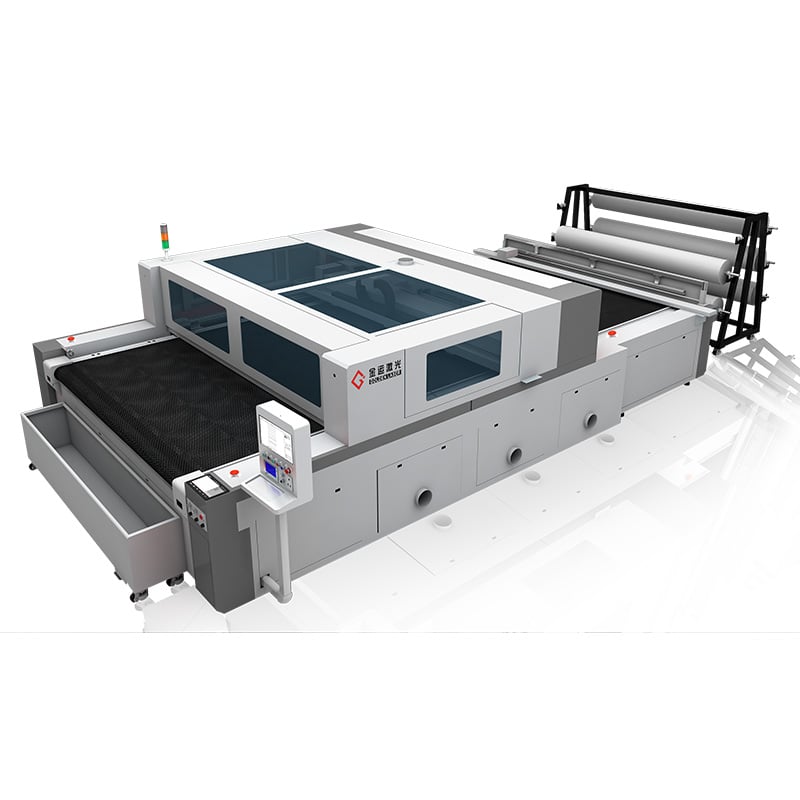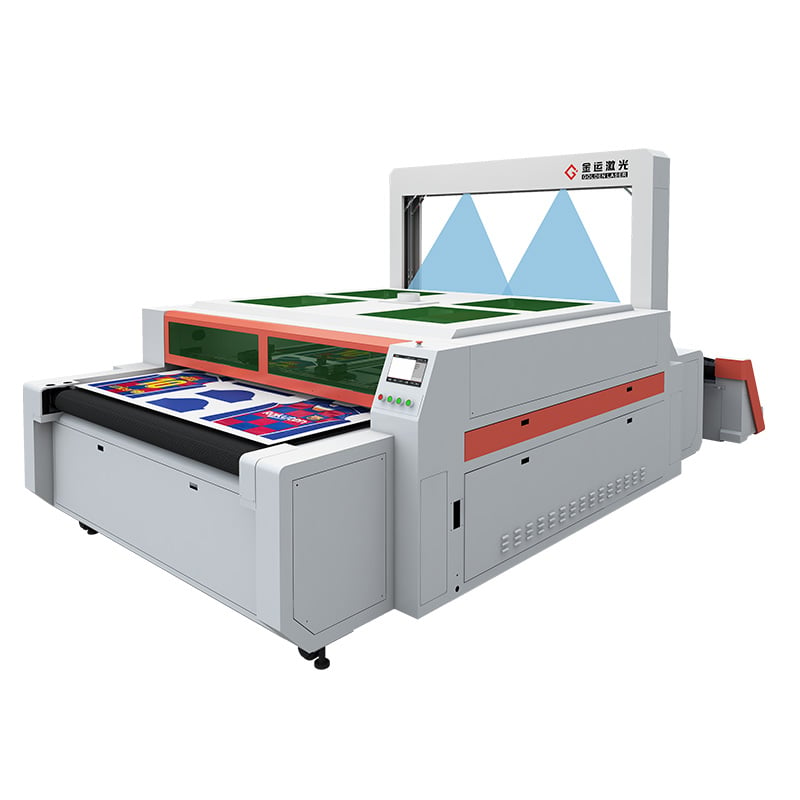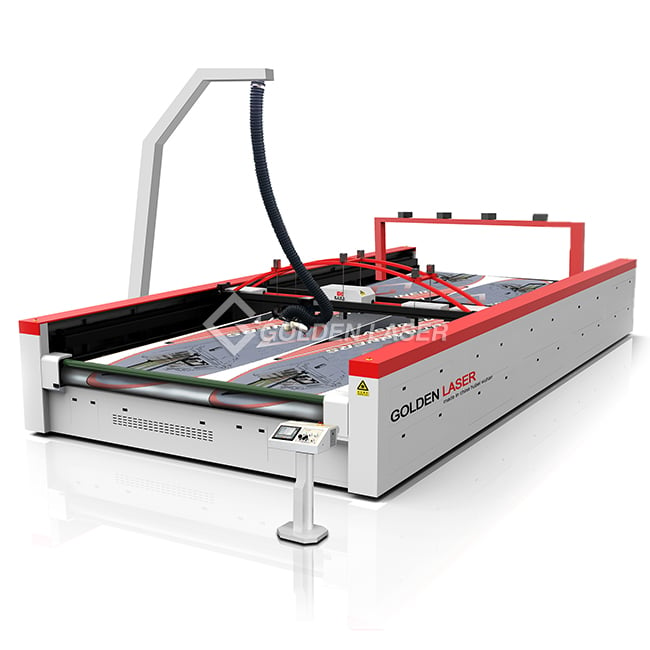
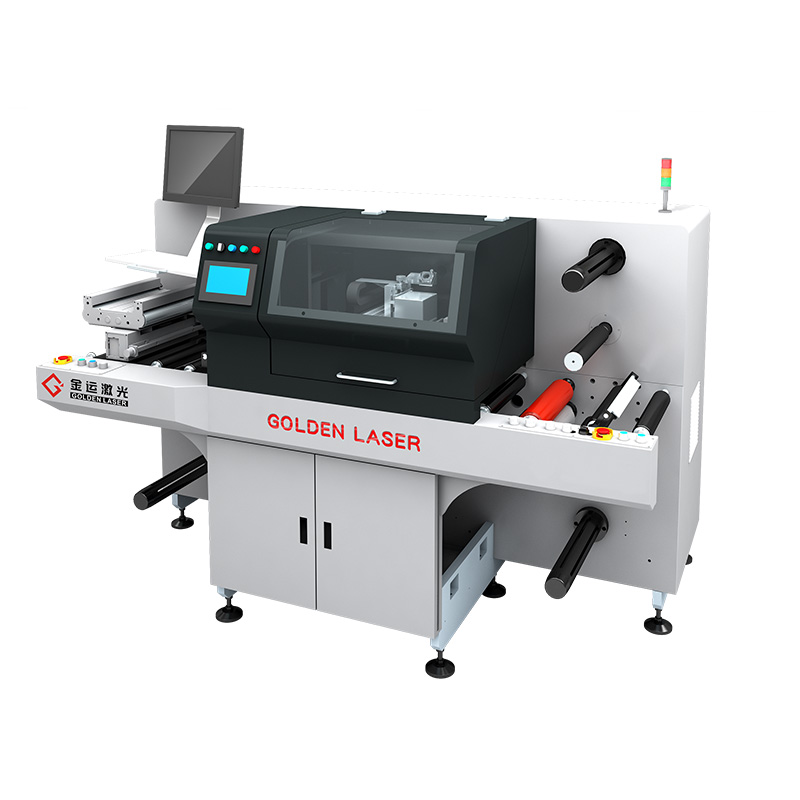
High-Performance Laser Cutter for Labels

Get a Free Quote

Our representative will contact you soon.
Email
Name
Company Name
Message
0/1000

laser cutter for labels

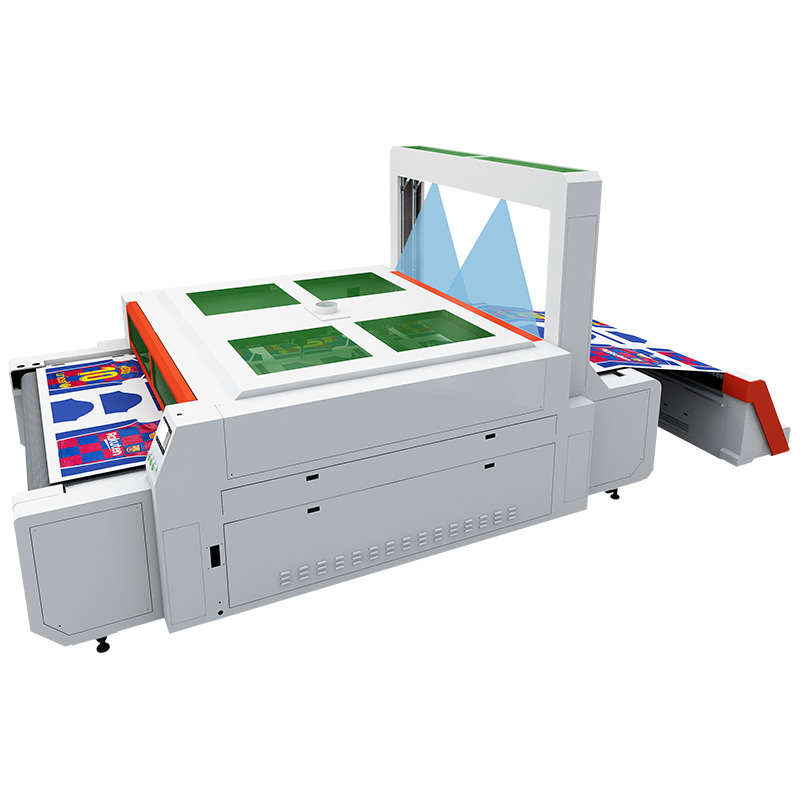
Laser  cutters for labels are essential  tools for  businesses  in the  printing, packaging,  and signage sectors, allowing for  precise cutting and engraving of various materials.  As  B2B buyers, purchasing  managers, and product  specialists  evaluate  their equipment options, they often have  concerns regarding specifications,  compatibility, cost,  and installation. This article aims to clarify these  aspects, providing insights  into selecting a laser cutter for labels that  meets specific  operational needs. For businesses looking for advanced solutions, a Visual Laser Cutting System may be an option to consider.
Our Products

Wholesale Purchasing Guide for Laser Cutters for Labels

Wholesale Purchasing Guide for Laser Cutters for Labels

When considering a wholesale purchase of laser cutters for labels, several factors should guide your decision:

Supplier Evaluation: Assess the manufacturer’s experience and reputation in the industry. Golden Laser, with over 20 years  of expertise, offers  high-performance laser  cutting systems known for their  innovative technology and stable  quality.

Minimum Order  Quantity (MOQ): Different suppliers may have varying MOQs. Be sure to confirm this before proceeding with an  order, as it can impact your initial  investment and inventory  management.

Customization Options: Many manufacturers provide the ability to customize machinery based on specific production requirements.  Discuss customization capabilities with potential  suppliers to ensure the equipment meets your unique needs.

Warranty and Support Services: Evaluate the warranty period  and the support services  offered post-purchase. A strong customer service commitment can be invaluable, especially when troubleshooting issues or seeking maintenance.

Shipping and Lead Time: Understand the logistics involved in receiving the equipment.  Factors  such as delivery times  and shipping costs can affect  your overall budget  and project timelines.

By considering these elements, buyers can  make informed purchasing decisions that align with their operational goals and  budget constraints.
Understanding the Cost Factors of Laser Cutters for Labels

Understanding the Cost Factors of Laser Cutters for Labels

The cost of laser cutters for labels can vary significantly  based on several factors:

Technology Type:  CO2 and  fiber lasers come with different price  points, with fiber  lasers generally being more expensive. Understanding the  technology best suited for your applications will  help justify costs.

Features and Specifications: Advanced features such as automated feeding systems, enhanced safety measures, and higher power ratings can increase the price of the cutter. Assess which features are essential for your operations to avoid overspending on unnecessary capabilities.

Material and Maintenance Costs:  Consider the  ongoing  costs associated with operating the laser cutter, including maintenance, replacement parts, and consumables. Regular maintenance is critical for ensuring longevity and  performance, impacting the total cost  of ownership.

Supplier Pricing Models: Different suppliers  may  offer varying pricing structures, including leasing  options or financing. Review these models  to determine the most financially viable option for your business.

Understanding these cost factors will help buyers create accurate budgets and  make  strategic purchasing decisions that align with their financial  constraints.

 
Installation Guidance for Laser Cutting Systems in Label Production

Installation Guidance for Laser Cutting Systems in Label Production

Proper  installation of laser cutting  systems  is critical  for optimal performance. Here are key considerations for installation:

Site Preparation: Ensure the installation area  is adequately prepared with sufficient space, electrical requirements, and ventilation. Laser cutters can produce fumes and heat, making proper  ventilation essential for safe operation.

Technical Setup: Follow the manufacturer's installation guidelines closely. This may involve  setting up software, calibrating the laser settings, and  configuring the  cutting bed. Misalignment or incorrect settings can lead to poor cutting performance.

Training: Once installed, it’s crucial to train operators on the system's functionality, safety protocols, and maintenance routines.  This ensures that  personnel are equipped  to handle the equipment efficiently and safely.


Testing: Conduct thorough testing with various materials to confirm that the system operates as expected. This step helps identify any issues that may need addressing before full-scale production begins.

Ongoing Support: Maintain communication with the supplier  for ongoing  support and troubleshooting. This can be invaluable  in ensuring that the system remains operational and efficient.

By following  these guidelines, businesses can enhance  the effectiveness of their  laser cutting systems and ensure smooth  operations in label production.

Common Problems with Label Laser Cutters and Their Solutions

While laser cutters for labels are robust tools, users may encounter common issues. Here  are some frequently faced challenges and their  solutions:

Inconsistent  Cutting Quality:  If  labels are not cutting cleanly, it may be due to  misaligned  optics or insufficient laser power. Regular alignment checks and adjustments can help maintain cutting  precision.

Material Burning: Overheating during the  cutting process can lead  to material burning, affecting label appearance. Consider adjusting the laser power and speed settings, and ensure that the focus is correctly set for the material being used.

Software Compatibility Issues: Problems with design files not transferring properly to the cutter can disrupt production. Ensure that the software used for design is compatible with the laser cutter and that files are correctly formatted.

Frequent Downtime: If the machine experiences frequent breakdowns, it may be due  to  inadequate maintenance or low-quality  components. Establishing a regular maintenance schedule and using high-quality parts can mitigate these issues.


Operator  Errors: Inexperienced operators may inadvertently make mistakes that affect production efficiency. Comprehensive training programs  and clear operational guidelines can  help reduce human error.

By proactively addressing these common problems, businesses can  enhance the reliability and productivity of  their laser cutting systems, ensuring efficient label production.


Key Specifications for High-Performance Label Laser Cutters

When  selecting a laser cutter for labels, several key specifications should be prioritized:

Cutting Speed and Accuracy: High-performance laser cutters typically feature rapid cutting speeds measured in millimeters per second, ensuring efficient production. Accuracy,  often represented by the laser's  beam diameter, is  crucial for achieving clean cuts without damaging the  material.

Material Compatibility: Different laser cutters are suited for various  materials, such as paper, vinyl, or acrylic. Understanding the types of materials you will be working with is  essential as it affects the choice of laser technology—CO2 lasers are commonly used for organic materials, while fiber lasers are better for metals. For instance, a Flatbed Laser Cutting System may be ideal for certain materials.

Laser Power: This is usually measured in watts and determines the cutter's ability to handle  thicker materials.  For instance, a 60W laser may suffice for thin paper, while thicker materials like wood may require 100W or more.

Work Area Dimensions: The size of the cutting bed influences the maximum dimensions of the labels that can  be processed. Ensure that the work  area aligns with your  production needs,  especially if you plan on cutting larger  label designs.

Software Compatibility: The  ability to integrate with design  software is crucial for seamless operation. Ensure  that the laser cutter supports popular design files (e.g., DXF, AI) to facilitate  easy workflow.

Understanding  these specifications  helps buyers identify a laser cutter that will enhance their label production process, ensuring high-quality outputs in less time.

Get a Free Quote

Our representative will contact you soon.
Email
Name
Company Name
Message
0/1000

Related product categories