Laser die cutting machines are essential tools in electronics component production, enabling precise and efficient cutting of materials such as flexible circuits, insulation layers, and various electronic substrates. As B2B buyers, purchasing managers, and engineers, your primary concerns may include machine specifications, compatibility with existing systems, quality control, and the overall efficiency of the production process. This article will delve into the key specifications, quality measures, common challenges, applications, and installation guidance for laser die cutting machines, providing you with the insights needed to make informed purchasing decisions
Key Specifications of Laser Die Cutting Machines in Electronics
When evaluating laser die cutting machines for electronics component production, several key specifications should be considered
Laser Power: The power output of the laser (measured in watts) dictates its cutting ability. Higher wattage allows for faster cutting and the ability to handle thicker materials. For instance, machines with 100W to 300W are typically suitable for cutting flexible PCBs and insulation layers
Cutting Speed: Measured in millimeters per second (mm/s), the cutting speed impacts productivity. A machine capable of cutting at varying speeds allows for flexibility in production, accommodating both intricate designs and high-volume runs
Material Compatibility: The machine must be compatible with various materials, including PET, polyimide, and FR-4. Understanding the specific material requirements ensures the chosen machine can effectively process the intended substrates without degrading quality
Precision and Tolerance: The level of precision is crucial in electronics, where even minor deviations can lead to malfunction. Buyers should look for machines that offer cutting tolerances of ±0.1 mm or better
Software Integration: Advanced laser die cutting machines come with user-friendly software for design and operation. Ensure that the machine's software is compatible with your existing design programs and can handle various file formats
These specifications collectively enhance the machine's performance in electronics component production and should be tailored to your specific manufacturing needs
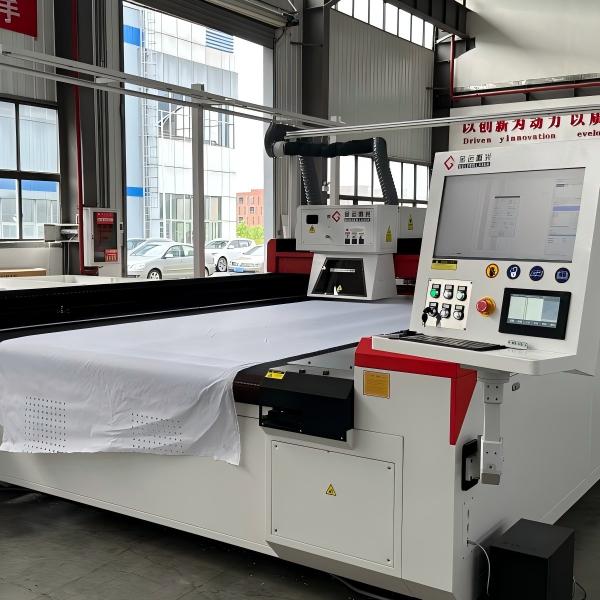
Quality Control Measures for Laser Die Cutting Equipment
Implementing robust quality control measures is essential for maintaining the performance and reliability of laser die cutting machines. Key practices include
Regular Calibration: Routine calibration of the laser system ensures that cutting parameters remain consistent, which is vital for maintaining precision. This process involves adjusting the laser focus and verifying power outputs
Material Testing: Conducting material tests before full-scale production is crucial. Testing different substrates for cutting quality, edge finish, and heat distortion helps in identifying the optimal settings
Monitoring Output Quality: Employing automated inspection systems, such as cameras or sensors, can help monitor the cut edges for defects. Immediate detection of issues allows for swift corrective measures, minimizing waste and production downtime
Maintenance Schedule: Establishing a regular maintenance schedule for the machine ensures that it operates smoothly. This includes cleaning optics, checking alignment, and replacing worn parts
Implementing these quality control measures will not only enhance the longevity of the machines but also ensure consistent product quality, which is paramount in electronics applications
Common Problems with Laser Die Cutting and Their Solutions
Despite their efficiency, laser die cutting machines can encounter issues that may affect production. Here are some common problems and their solutions
Burning or Melting of Materials: This can occur if the laser power is too high or the cutting speed is too slow. To resolve this, adjust the laser settings and perform test cuts to find the optimal balance that prevents material damage
Inconsistent Cutting Depth: Variability in the cutting depth can lead to unfinished edges. This may be caused by incorrect focus settings or material inconsistencies. Regularly check and calibrate the laser focus, and ensure that the materials are uniform in thickness
Smoke and Fumes: Laser cutting can produce smoke, which may interfere with the cutting process and impact the quality of cuts. Using proper ventilation or smoke extraction systems can mitigate this issue
Software Glitches: Software-related problems can halt production. Regular software updates and user training can help reduce the likelihood of errors and improve overall machine operation
Understanding these common challenges and their solutions will prepare you for effective troubleshooting and maintenance of your laser die cutting equipment
Applications of Laser Die Cutting in Electronics Component Production
Laser die cutting machines are versatile and find numerous applications within the electronics sector, including
Flexible Circuit Boards: Laser cutting allows for intricate designs in flexible circuit boards, enabling lightweight and space-efficient electronic devices. The precision of laser cutting ensures that connections are made without damaging the circuitry
-
Insulation Materials: For applications requiring thermal or electrical insulation, laser die cutting can create precise shapes from materials like Kapton or polyethylene without fraying edges
Gaskets and Seals: Laser die cutting is ideal for manufacturing custom gaskets and seals that require tight tolerances, particularly in sensitive electronic assemblies
Shielding Materials: The ability to cut complex shapes from conductive materials makes laser die cutting an excellent choice for producing EMI/RFI shielding components
By leveraging the capabilities of laser die cutting, manufacturers can enhance product performance and reduce material waste, ultimately leading to cost savings
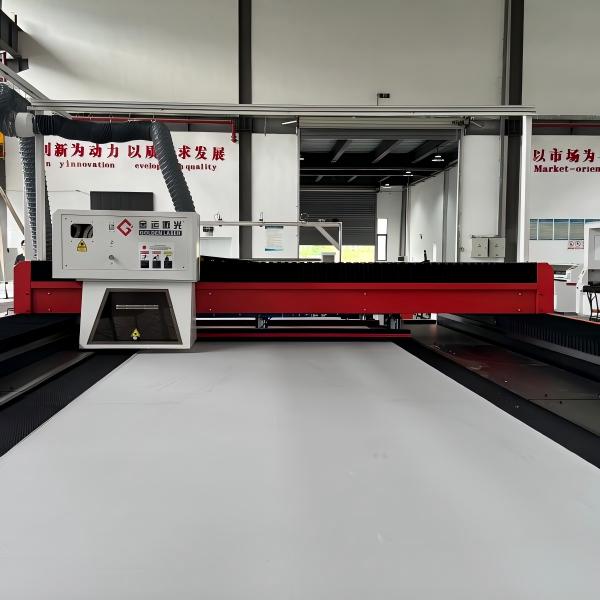
Installation Guidance for Laser Die Cutting Systems in Manufacturing
Proper installation of laser die cutting systems is critical for optimal performance. Consider the following guidance
Site Preparation: Ensure that the installation site has adequate space for the machine, along with proper ventilation and electrical supply. The area should be free of dust and debris to prevent contamination
Leveling and Alignment: The machine should be leveled accurately during installation to ensure consistent cutting results. Use leveling tools to confirm that the machine is positioned correctly
Software Setup: Install and configure the machine's software according to the manufacturer's guidelines. This may involve connecting to a network, installing drivers, and setting up user accounts
Testing and Calibration: After installation, perform a series of test cuts to calibrate the machine. This step is vital to ensure that the machine operates within the specified tolerances and produces high-quality outputs
Training for Operators: Provide comprehensive training for operators on machine operation, maintenance, and troubleshooting. This will enhance productivity and reduce the likelihood of operational errors
Following these installation guidelines will facilitate a smooth setup process, ensuring that your laser die cutting machine is ready for efficient production in electronics component manufacturing