Choosing an Industrial Fabric Laser Cutting Machine

Get a Free Quote

Our representative will contact you soon.
Email
Name
Company Name
Message
0/1000

industrial fabric laser cutting machine

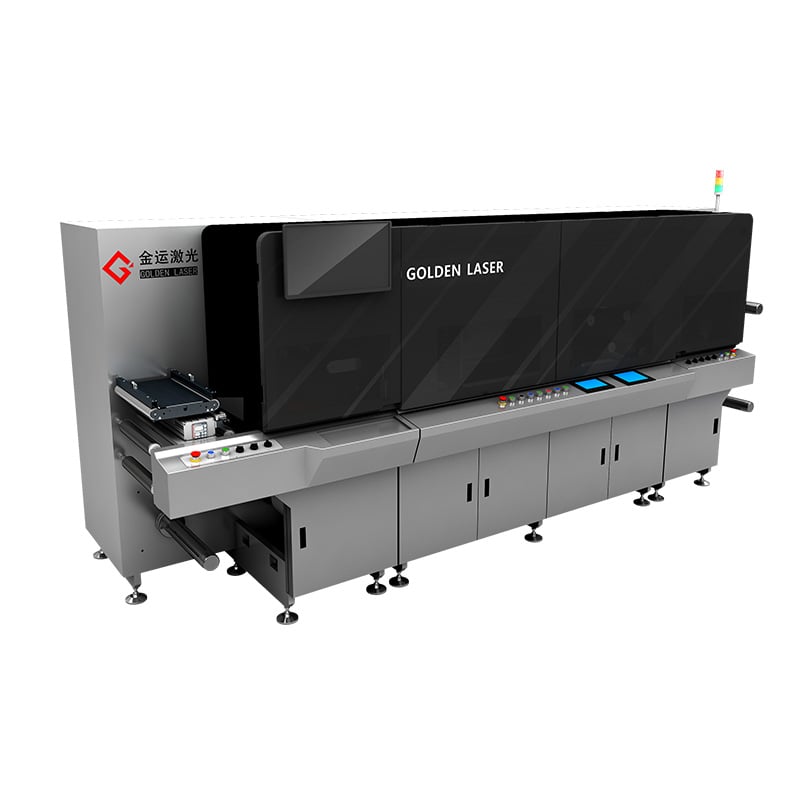
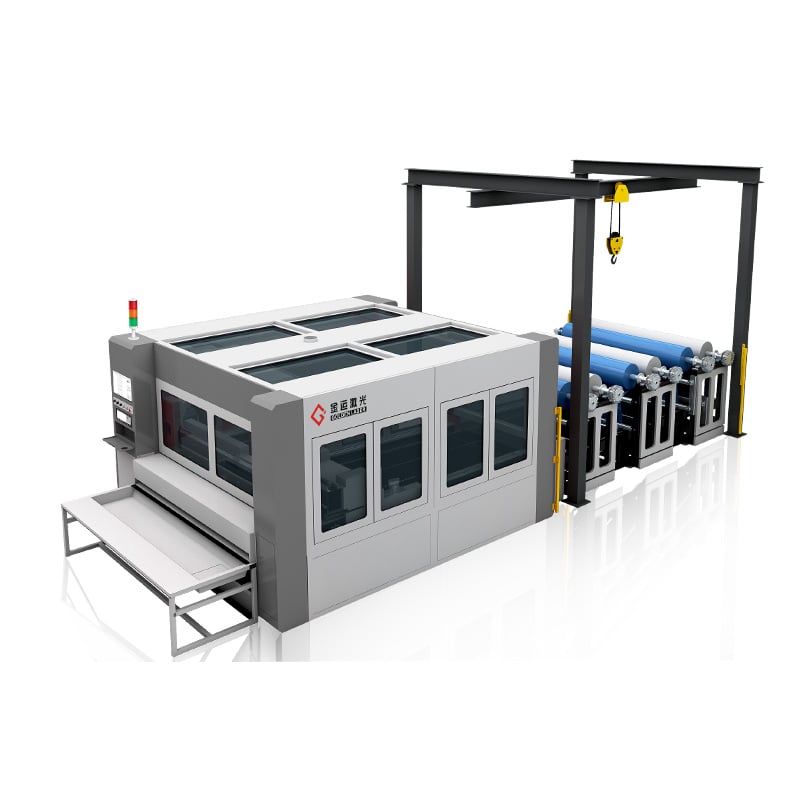
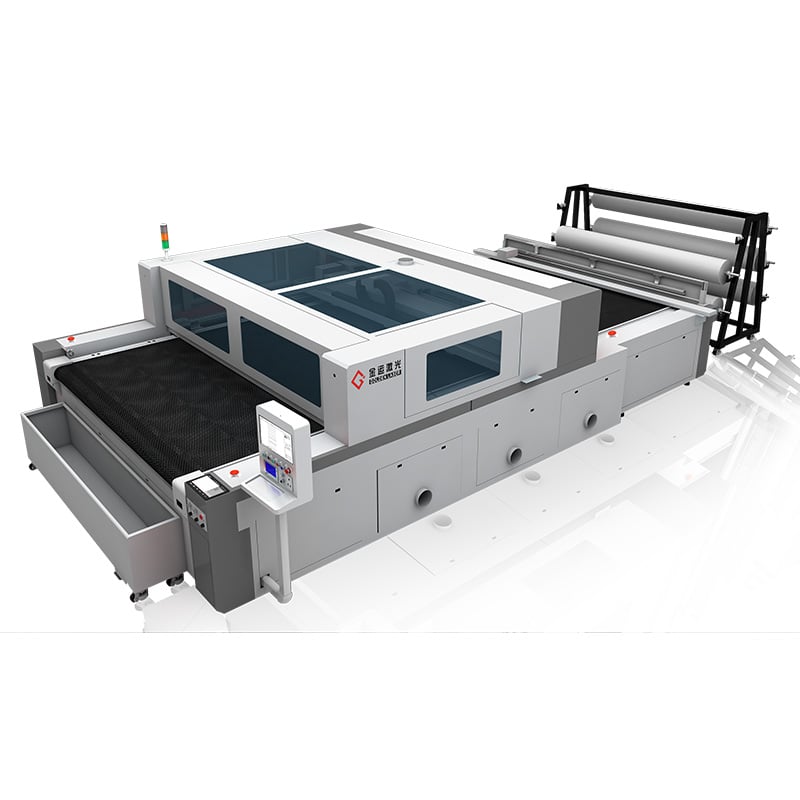
Industrial fabric laser cutting machines  are essential tools for businesses in various sectors, including printing,  packaging, signage, and automotive  industries. These machines utilize advanced  laser technology to achieve precise cuts in fabric,  ensuring high-quality results  and efficient production processes.  However,  selecting  the right machine involves understanding several factors, such  as material  compatibility, production requirements, and  potential  challenges. This article will  guide  you through  key considerations when choosing an industrial fabric laser cutting machine,  helping you make informed decisions  to enhance  your operational  efficiency.
Our Products

Key Specifications of High-Quality Laser Cutting Machines for Buyers

Key Specifications of High-Quality Laser Cutting Machines for Buyers

When evaluating laser cutting machines, several  specifications are critical to ensuring quality and performance:

Laser Power:  The power  of the laser is a key determinant of cutting  speed and efficiency. Higher wattage lasers are  capable of  cutting through thicker materials and achieving faster production rates.

Cutting Speed: Measured in inches per  minute (IPM), cutting speed affects overall productivity. A  machine with a higher cutting speed will complete jobs more  quickly, which is vital for high-volume production.

Precision and  Accuracy: Look for machines that offer high precision,  often measured in microns.  This specification is crucial  for maintaining tight tolerances, especially in industries where detail is paramount.

Cooling Systems:  Effective cooling systems prevent overheating during prolonged operation, preserving the integrity of both the  machine and the materials being cut.

Software Compatibility: A user-friendly interface and compatibility with design software can  streamline operations. Ensure that the machine can integrate with your existing systems for seamless workflow.

Safety  Features: Safety systems, such as automatic shut-off and enclosure designs, are essential for protecting  operators and preventing accidents during  operation.
Common Problems with Laser Cutting Machines and Effective Solutions

Common Problems with Laser Cutting Machines and Effective Solutions

Despite their advanced technology, laser cutting machines can encounter common issues that may affect productivity:

Material Burns:  Overexposure to laser heat can lead to burns on  the fabric. To mitigate this, adjust  the laser power and speed settings according to the material specifications. Conducting test cuts can  help determine  the optimal  settings.

Inconsistent Cuts:  Variability in cutting quality may arise from  uneven material surfaces or misaligned components. Regular maintenance  checks, including  calibration and  alignment, can prevent these  issues.

Fume Extraction: Laser cutting produces fumes that can damage  the machine and affect  air quality. Implementing a robust fume extraction system is  vital for maintaining a  safe working  environment and prolonging machine life.

Software Glitches: Software issues can cause delays and errors in cutting processes. Keeping software updated  and having technical support readily available can address these challenges  swiftly.

Installation Guidance for Your New Industrial Fabric Laser Cutter

Installation Guidance for Your New Industrial Fabric Laser Cutter

Proper  installation  is crucial to the successful operation of your industrial fabric laser cutting machine. Here are steps to ensure a  smooth installation process:

Site Preparation: Ensure that the installation  site meets the manufacturer’s  specifications,  including adequate space,  ventilation, and  electrical requirements.

Leveling the Machine: The machine must  be installed on a stable and level surface to ensure precise cutting. Use leveling tools to adjust  the feet of the machine accordingly.

Electrical Connections: Follow  the manufacturer’s guidelines for  electrical hook-up to prevent damage to the  machine. Engage  a qualified electrician if necessary.

Software Setup: Install any necessary software, following the provided instructions. Ensure that all drivers  are  compatible with  your computer systems.

Initial Testing:  After installation, conduct initial tests to confirm that the machine operates correctly. Adjust settings based on test results to align with production  requirements.

Benefits of Using Laser Cutting Technology for Fabric Production Processes

Adopting  laser cutting technology in fabric production  offers  numerous advantages that can enhance operational efficiency:

Precision Cutting: Laser technology allows  for  intricate  designs and precise cuts, reducing material waste and improving product quality.

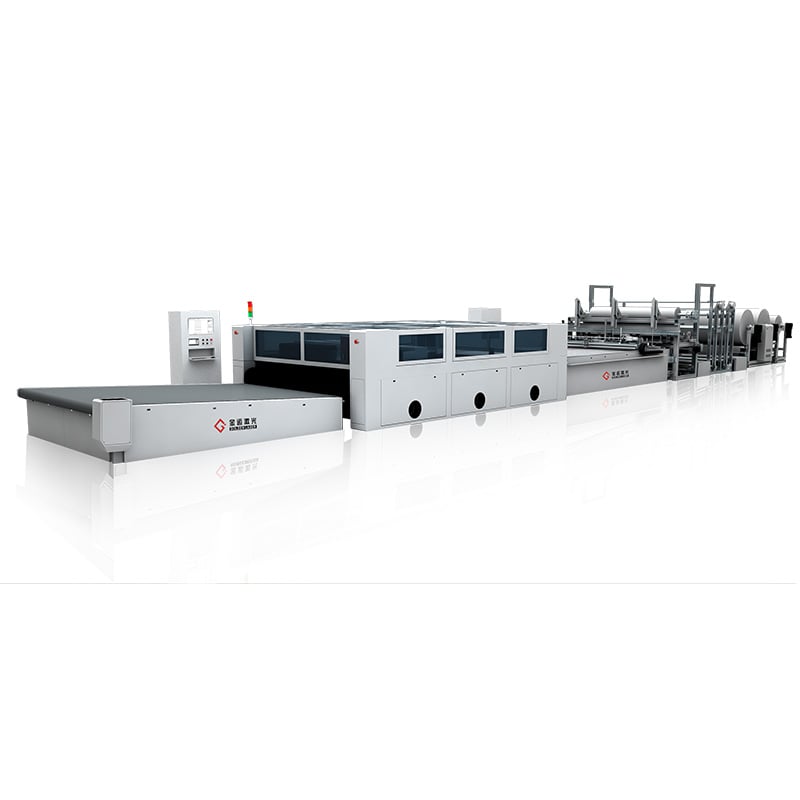
Versatility: Laser cutting machines can handle various  materials with ease,  making them suitable for diverse applications, from fashion to industrial textiles. This versatility is evident in models such as the Normal Format Visual Laser Cutting System.

Speed  and Efficiency: Compared to traditional cutting methods, laser cutting significantly reduces processing time,  allowing for quicker turnaround  on orders.

Reduced Labor Costs: Automation of cutting processes minimizes the need  for manual labor, leading to cost savings and a reduction in human error.

Minimal Material  Distortion: The heat-affected zone is minimal when using laser cutting, resulting in less distortion and  deformity of the fabric compared to other  cutting methods.

In summary, an industrial fabric laser  cutting machine is  a valuable investment  for companies aiming to enhance their production capabilities. By considering key specifications, addressing common challenges, and understanding the installation process, buyers can make  informed decisions that align with their operational goals.

What to Consider When Choosing an Industrial Fabric Laser Cutting Machine

When selecting an industrial fabric laser cutting machine, several key  factors should be taken into account to ensure compatibility with your specific applications:

Material Compatibility: Different fabrics require different laser settings.  Understanding the types of materials you will be cutting—such as cotton, polyester, or synthetic blends—is crucial. Each material may  react differently to laser cutting,  affecting the quality of the cut and the longevity of the machine.

Cutting Thickness: The thickness of the fabric can significantly influence the choice of laser  cutting machine. Ensure  that the machine you select can accommodate the thickness of the materials  you plan to work with, as this affects both the cutting speed and the quality of the finished product.

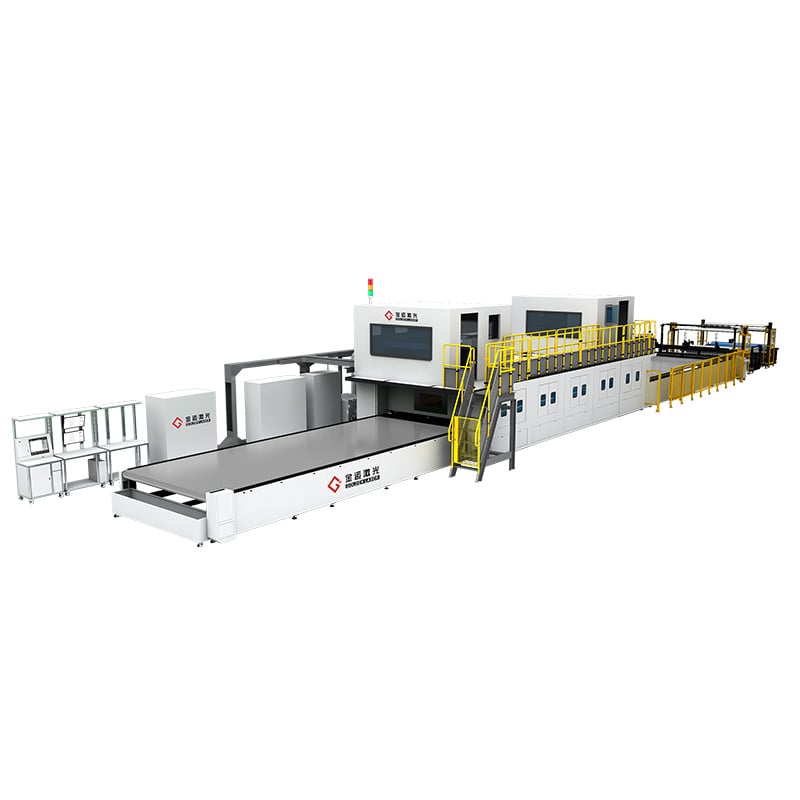
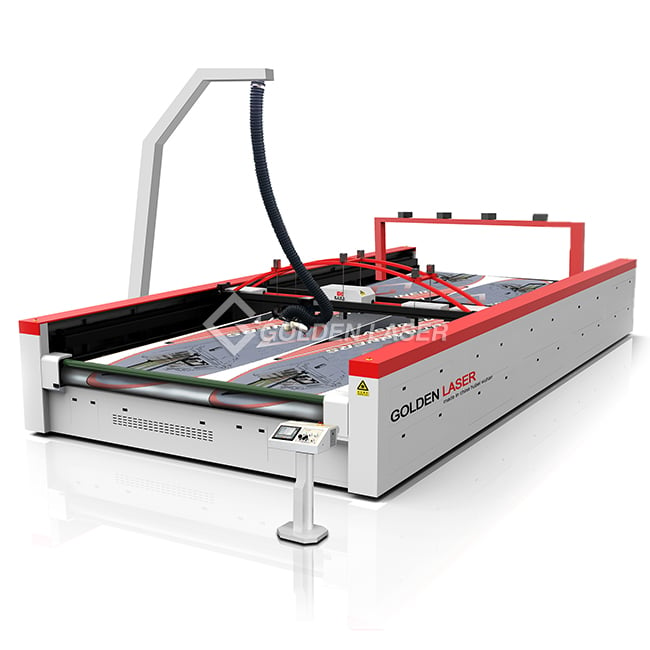
Production Volume:  Assess your production needs. If  you require high-volume  cutting, choose a machine designed  for speed and efficiency. Conversely, for smaller runs, a more versatile machine may be suitable. For instance, you might consider a Large Format Visual Laser Cutting System for large production volumes.

Customization Options: Many manufacturers, like Golden Laser, offer customizable  solutions that can be  tailored to specific applications or workflows. If your  operations require unique settings or  adaptations, inquire about customization capabilities.

Service and Support: Evaluate the level of customer support offered by the manufacturer. Post-purchase support, including training and maintenance, can significantly influence the machine's  long-term performance and  your team's productivity.

Get a Free Quote

Our representative will contact you soon.
Email
Name
Company Name
Message
0/1000

Related product categories