High-Quality Embroidered Tackle Twill Solutions

Get a Free Quote

Our representative will contact you soon.
Email
Name
Company Name
Message
0/1000

embroidered tackle twill

Embroidered tackle  twill is a specialized fabric often used in various applications,  such  as  sports uniforms, corporate apparel, and  promotional products due to  its durability and  aesthetic  appeal. For B2B  buyers, the primary concerns revolve around quality, sourcing reliable suppliers, and  ensuring the material meets  specific application requirements. This article  will guide you  through the  essential aspects of embroidered tackle  twill, including  supplier  options, quality  evaluation, installation guidance, key specifications, and tips  for sourcing  trustworthy manufacturers.
Our Products

Evaluating the Quality of Embroidered Tackle Twill Products

Quality evaluation  of embroidered tackle twill involves several practical considerations:

Fabric Composition: Check the material blend. High-quality tackle twill is often made from a combination of polyester  and cotton, offering durability  and comfort. Understand how  the fabric's composition  affects its performance, especially under different environmental conditions.

Stitching Quality: Inspect the embroidery work for consistency and strength. The stitching should be  tight and even, as poor stitching can lead to fraying and reduced durability.

Weight and Thickness: The weight of the fabric impacts its application. Heavier  tackle twill may be ideal for  heavy-duty  uniforms, while lighter  options could suit promotional apparel. Buyers should confirm the weight specifications based on their intended use.

Colorfastness: Ensure that  the  colors used in the embroidery are resistant to fading.  This is particularly important for products exposed to sunlight or  frequent washing.

Sample Approval: Before  committing to a large order, request  samples to assess  the fabric's quality firsthand. This step  helps confirm that the product meets  your standards and requirements.

Installation Guidance for Embroidered Tackle Twill Applications

Proper installation of  embroidered tackle twill  is crucial for ensuring  optimal performance and longevity. Here are  some guidelines:

Preparation: Ensure that the surface  to which the tackle twill will be applied is clean and dry.  Any dirt or moisture can affect adhesion and  durability.

Application  Method: Depending on the intended use,  tackle twill can be sewn  or  heat-applied. Each  method has its own best practices:

Sewing: Use high-quality thread that matches the color of the tackle twill for a seamless appearance. The stitching should be evenly spaced and  secure. Heat Application: If using heat transfer methods, follow the manufacturer’s guidelines for  temperature and pressure  settings to avoid damaging the fabric.

Post-Installation Care: Advise  end-users on how to care for the embroidered items. This includes  recommended washing temperatures and whether to use fabric  softeners,  which can  affect the integrity of the embroidery.

Key Specifications of Embroidered Tackle Twill You Should Know

Understanding the key specifications of embroidered tackle  twill is  essential for making informed purchasing decisions:


Weight: Tackle twill  is available in various weights, commonly  ranging  from 200 to 400 grams per square meter (gsm). The choice of weight  should align with the product’s  intended use.

Width: The standard width of tackle twill fabric is usually around 54  inches. However, some suppliers may  offer  wider options, which can reduce material waste  in large-scale applications.

Color Options:  Tackle twill  is offered in a wide spectrum of colors. Buyers should verify the availability  of specific shades required for branding or design purposes.

Durability Ratings: Inquire about the fabric's durability ratings, especially when used in environments that require  frequent wear and tear.

Flame Resistance: For certain applications, such  as  workwear in industrial settings, flame-resistant properties may be necessary. Confirm if  the tackle twill meets specific  flame resistance standards.

Tips for Sourcing Reliable Embroidered Tackle Twill Manufacturers

Sourcing  reliable manufacturers requires diligence and research. Consider these tips:

Research and Recommendations: Seek recommendations from industry peers  and conduct online research to identify reputable suppliers known for embroidered  tackle twill.

Assessing Customer Reviews: Look for customer testimonials  and case studies that highlight the supplier's reliability and product quality. Peer feedback can provide insights into  the supplier's strengths and weaknesses.

Requesting  Quotes: When reaching out to manufacturers, be prepared to provide detailed information about your project. Include specifics like the desired fabric weight, color, quantity, and any customization requirements to receive accurate quotations.

Visiting Facilities: If feasible, visit the manufacturing facility to observe their  production processes  and quality control measures. This firsthand experience can increase your confidence in their capabilities.

Establishing a Relationship:  Building  a strong relationship with your suppliers can  lead to better communication and more favorable  terms in future transactions. Consider long-term partnerships with  manufacturers who align with your business values and quality expectations.


By following these guidelines, B2B  buyers can  make informed decisions  when sourcing embroidered  tackle twill, ensuring they  select  products that meet their specific needs while working with reliable suppliers.

Top Supplier Options for High-Quality Embroidered Tackle Twill

When searching for suppliers of embroidered  tackle twill, it's important to consider manufacturers with a  proven track record in the industry. Look for companies that specialize in  textile manufacturing and have experience with high-performance materials. Key factors to evaluate include:

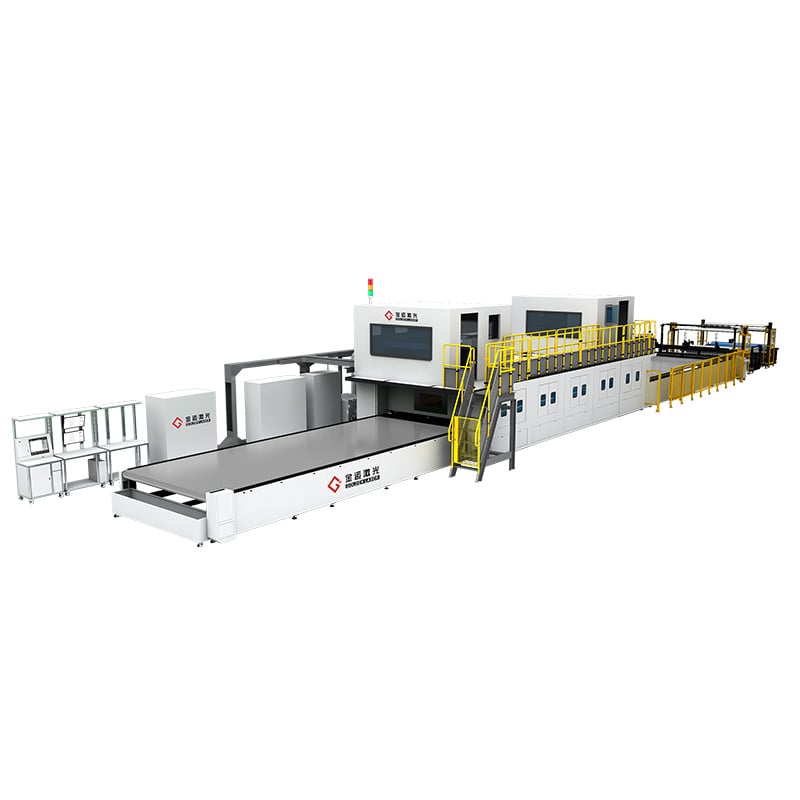
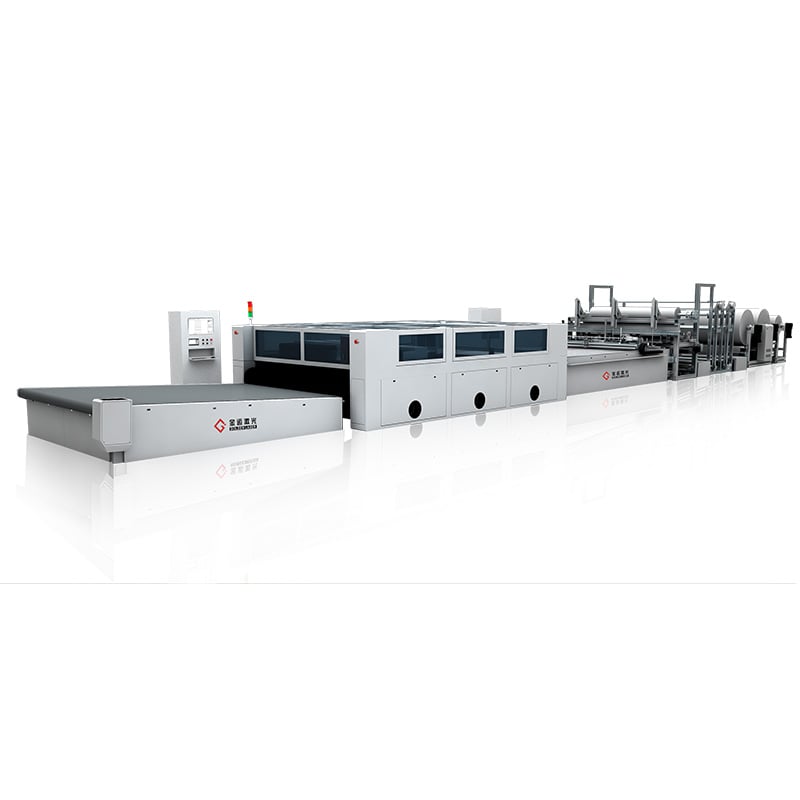
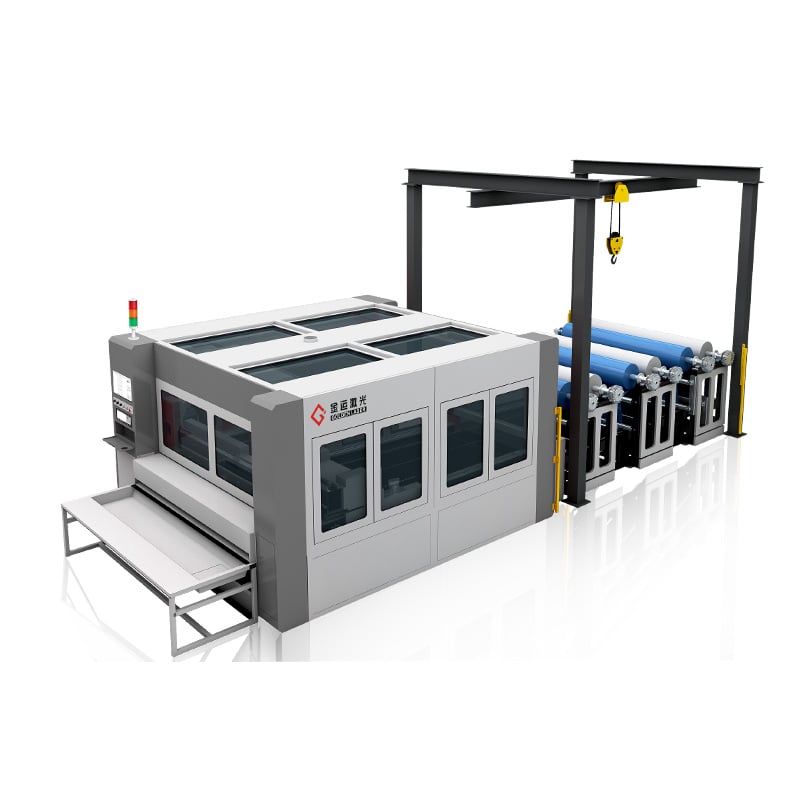
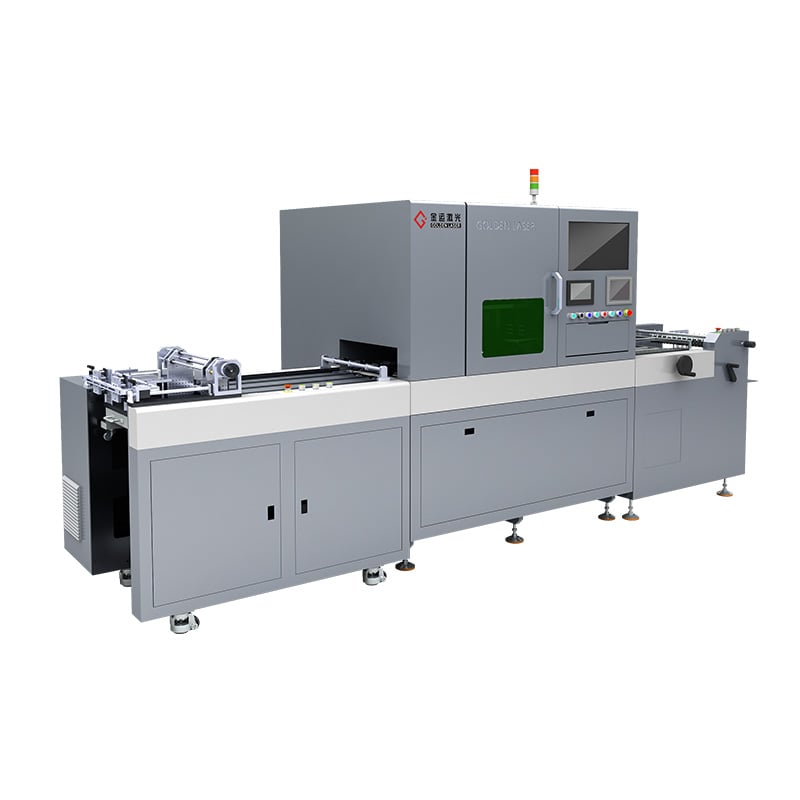
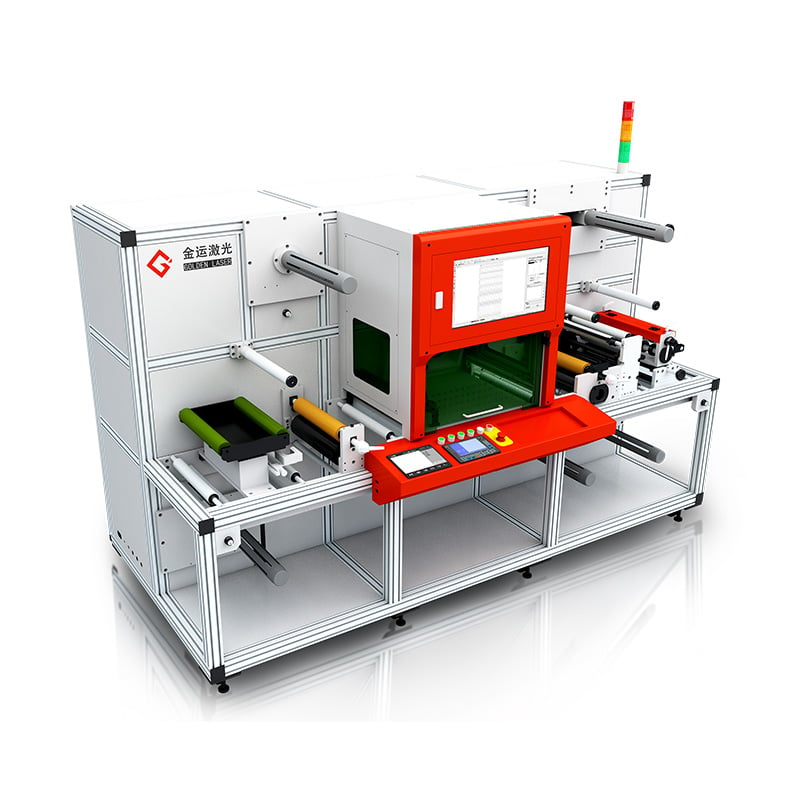
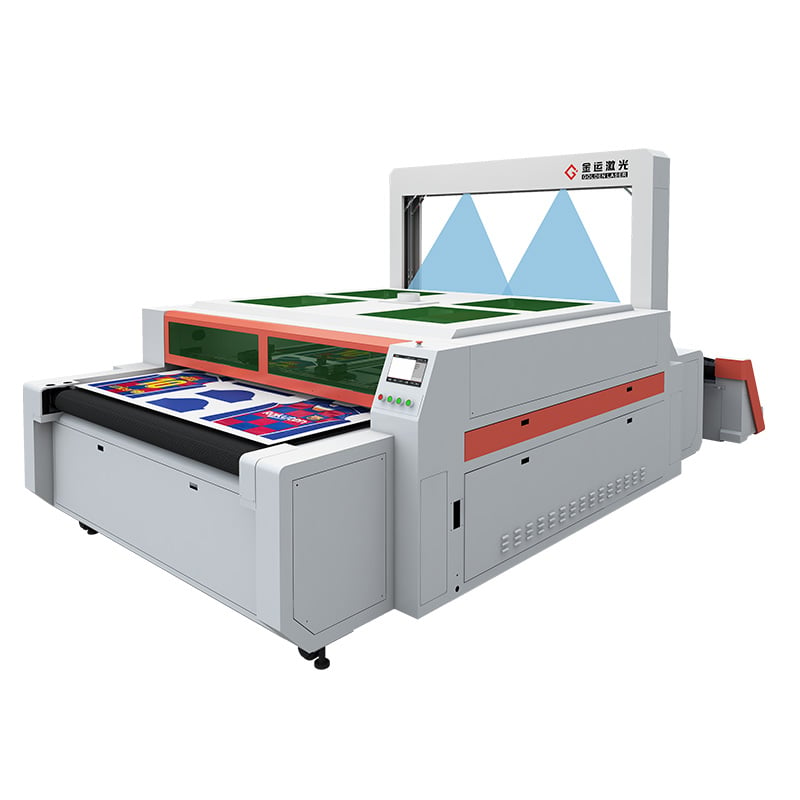
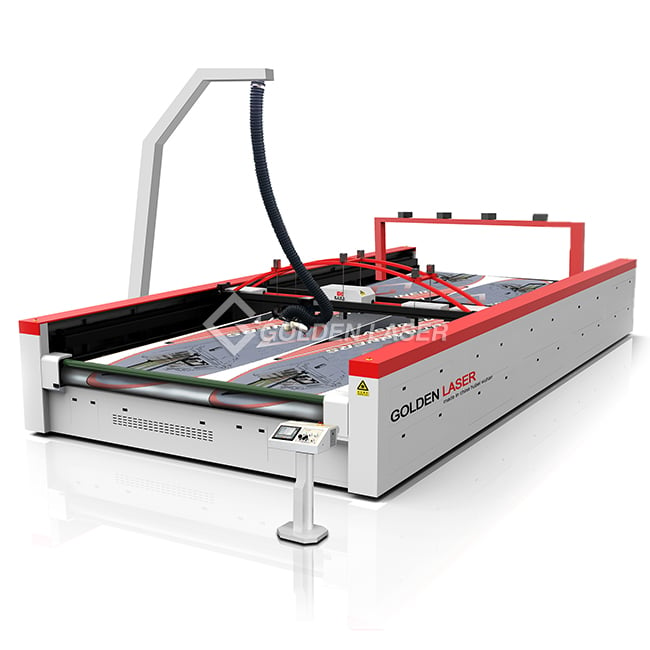
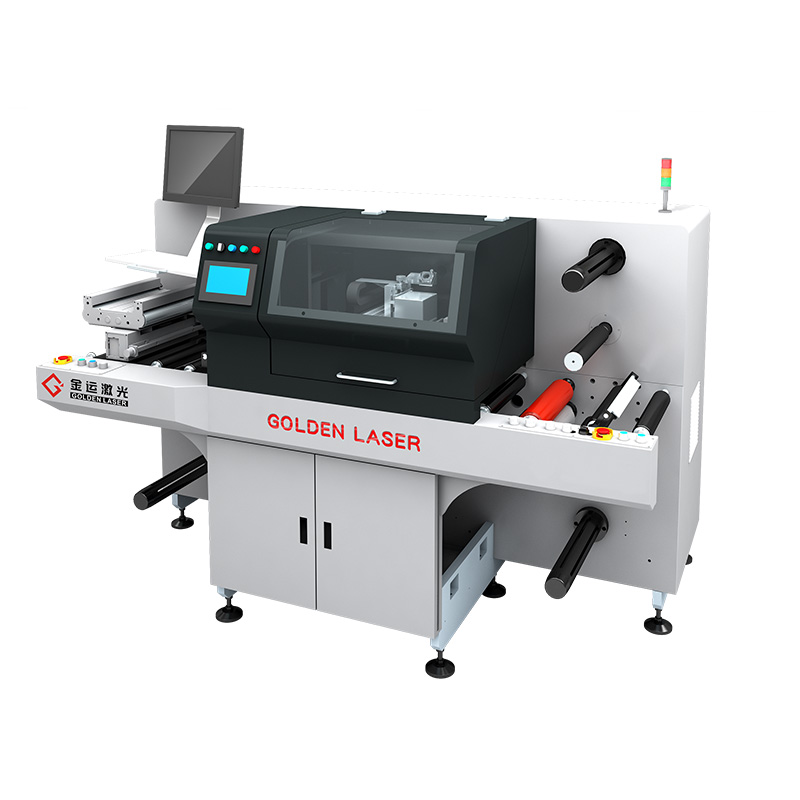
Manufacturing Capabilities: Suppliers should have advanced machinery, like laser cutting and engraving systems, to ensure precision in production. Manufacturers  like Golden Laser, for  instance, leverage innovative technologies to maintain the  quality of their products.

Customization Options: Many  B2B  buyers require tailored solutions. Suppliers should offer customization in terms of  colors,  dimensions, and designs  to meet specific branding needs.

Material Selection: Ensure the supplier provides a  variety of fabric  options, as different applications may  require specific types of tackle twill that vary in weight, texture, and durability.

Certifications: Look for suppliers with relevant industry certifications  that  demonstrate adherence to quality and  safety standards.

Get a Free Quote

Our representative will contact you soon.
Email
Name
Company Name
Message
0/1000

Related product categories