Selecting Tackle Twill Fabric for Wholesale Needs

Get a Free Quote

Our representative will contact you soon.
Email
Name
Company Name
Message
0/1000

tackle twill fabric

Tackle twill  fabric  is  a versatile  and durable material  commonly  used in various applications,  particularly in the  manufacturing  of uniforms,  sportswear, and promotional products. As  a B2B buyer, you may  have specific  concerns regarding performance, quality, and supplier reliability. This  article aims to provide  insights into  selecting, sourcing, and  understanding  tackle twill fabric, helping  you make informed  purchasing decisions suitable for your wholesale needs.
Our Products

Key Specifications for Tackle Twill Fabric in Bulk Orders

When ordering tackle twill  fabric in bulk, there are several  specifications that need  to be confirmed. These include:

Material  Composition: Tackle twill is often made  from polyester or a  blend of polyester and cotton. Understanding  the blend is crucial for  determining  properties  like breathability and moisture-wicking capabilities.

Weight and Thickness: The weight  of the fabric influences its application. Heavier fabrics (usually above  8 oz)  are suitable for outerwear, while lighter variants (around  5-6 oz) are preferred for shirts and shorts.

Finish and Treatment: Check if the fabric has any special treatments, such as stain resistance or flame retardancy, especially if it will be used in environments where these properties are essential.

Colorfastness: Ensure the fabric  meets industry  standards for colorfastness, particularly if the end products will be exposed to sunlight  or frequent washing.

Certification Standards: Verify if the fabric complies with  relevant safety and  quality certifications, which can vary by industry and application.

By confirming these specifications, buyers can  avoid common pitfalls and ensure that the fabric meets their specific requirements.

Cost Factors to Consider When Buying Tackle Twill Fabric

The cost of tackle twill fabric can vary significantly  based on multiple factors. These include:

Material Composition: Fabrics with higher cotton  content or specialized treatments  typically command a higher price than pure  polyester options.

Order  Quantity: Bulk orders may reduce the unit cost due to economies of  scale; however, minimum order quantities (MOQ) must be taken into account. Be sure to discuss MOQs with suppliers  to find an arrangement that suits your needs.

Customizations: Custom colors,  patterns, or finishes can add to the cost. If specific branding or design  elements are  required, it’s wise to request detailed quotes early in the process.

Shipping and Handling: Consider the logistics involved, including  shipping costs and lead times, which can  impact overall expenses.  Suppliers with local warehouses or efficient shipping methods may offer advantages here.

Supplier Reliability: Working with  a reputable supplier  may lead to better pricing and quality assurance, as they often have established processes for consistent production.

By taking  these  factors into consideration, buyers can better manage their budgets and ensure they are getting the  best value for their investment in tackle twill fabric.

Where to Find Reliable Suppliers of Tackle Twill Fabric

Identifying  reliable suppliers of tackle twill fabric is crucial for ensuring consistent quality and service. Here are some strategies to consider:

Industry  Trade Shows: Attending trade shows related  to textiles and manufacturing can provide valuable opportunities to meet  suppliers, inspect samples, and establish direct relationships.

Online Marketplaces  and Directories: Websites like ThomasNet  or Alibaba can help connect buyers with manufacturers and wholesalers. Look for suppliers with positive reviews and established reputations.

Referrals and Recommendations: Networking within your industry can yield recommendations for trustworthy suppliers. Colleagues or  industry connections may share their experiences and  insights.

Manufacturer Certifications: Prioritize suppliers who can demonstrate quality control  processes and relevant certifications. This can help ensure  that the fabric meets industry standards.

Sample Requests:  Before committing to a large order, request  samples to evaluate fabric quality,  weight, and finish. This step can prevent  costly mistakes later in the purchasing process.

By employing these strategies, buyers can find suppliers who not only meet their  fabric  needs but also provide the  support  and reliability necessary for successful B2B transactions.

What to Know About Tackle Twill Fabric for Contractors and Distributors

For contractors and distributors involved in the apparel or promotional products industry, understanding the practical aspects of tackle twill fabric is essential. Here are some key  points to consider:

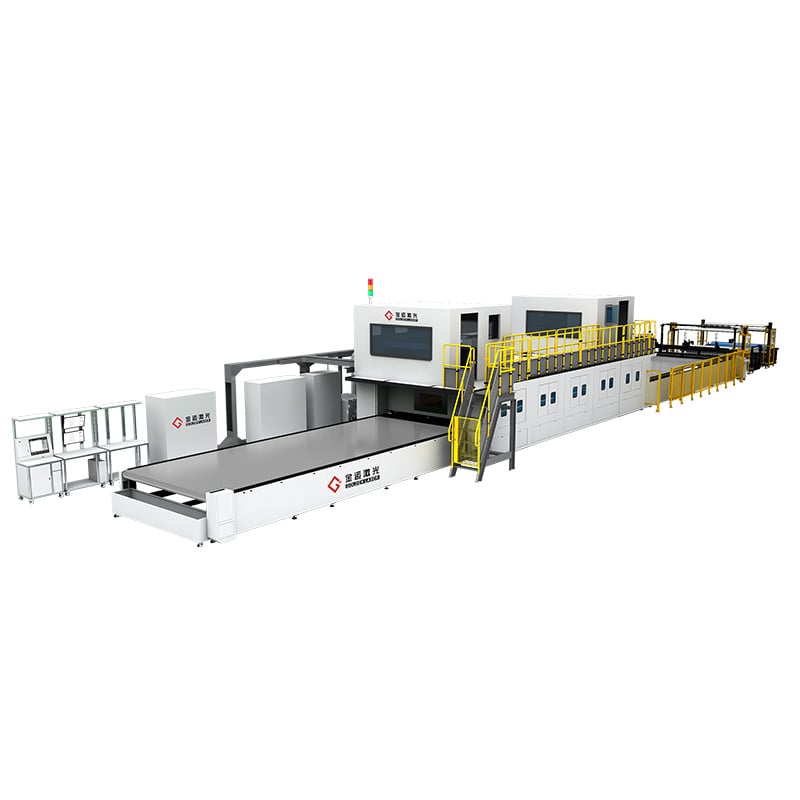
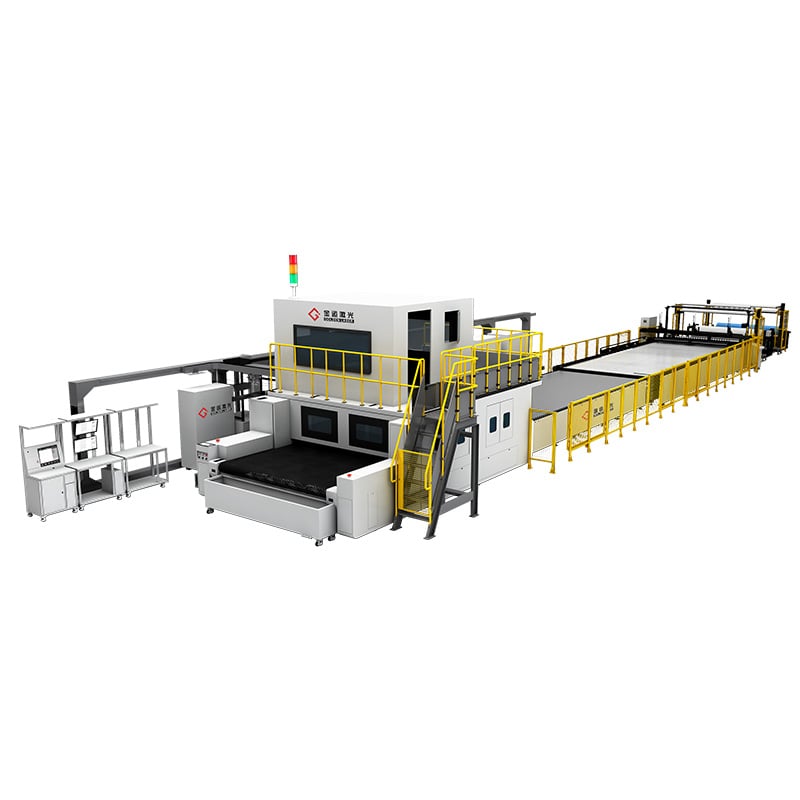
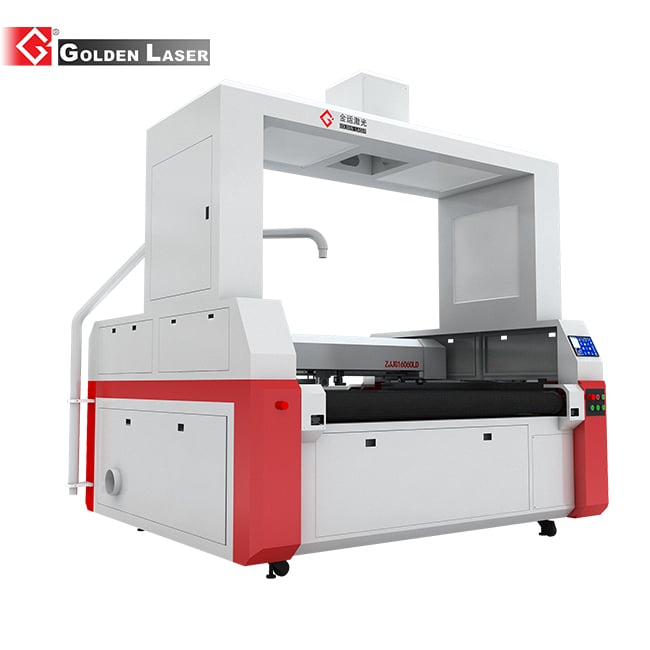
Fabric Performance: Tackle  twill’s durability makes it suitable for high-wear applications. This performance  characteristic is particularly important for  uniforms and sportswear, where longevity is a priority. Moreover, exploring options like the Flatbed Laser Cutting System can enhance your production capabilities.

Maintenance: Tackle twill is generally easy to care  for but may require specific washing instructions to maintain its appearance and performance. Ensure that care guidelines align with customer expectations.

Application Versatility: Tackle twill  can be used in various applications, from embroidered logos  to screen printing. Understanding the  capabilities of the fabric  can guide product offerings and service options.

Customization Opportunities:  Many manufacturers offer customization options for tackle twill fabric, from specific color choices to  unique finishes. Knowing how to leverage  these options can help contractors and distributors meet diverse client demands.

Logistics and Lead Times: Understanding the  lead times for production and shipping is crucial  for contractors and distributors who need to meet  tight deadlines. Clear communication with  suppliers about  delivery expectations is  essential.

By familiarizing themselves with  these aspects, contractors and distributors can effectively position  tackle twill fabric within their offerings and better serve their clients' needs.

Choosing the Right Tackle Twill Fabric for Your Wholesale Needs

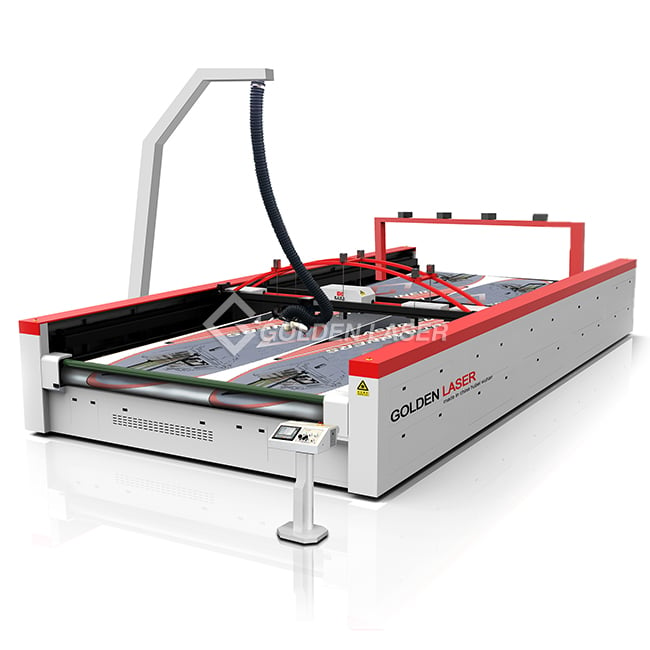
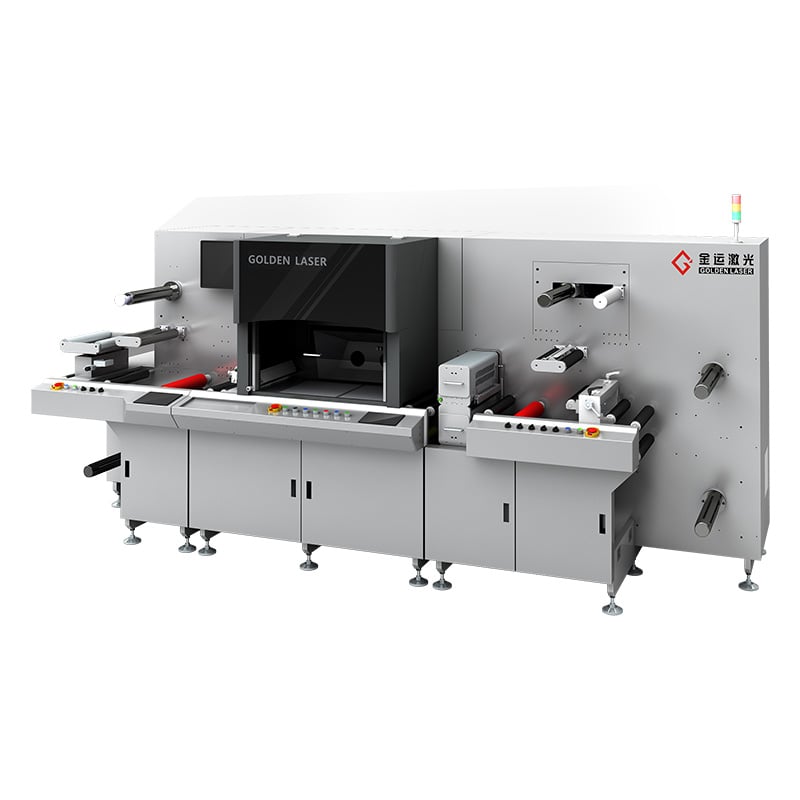
When selecting tackle twill  fabric, it’s  essential  to consider the end use of the material. Tackle  twill is known for its durability and  resistance to fraying,  making it  ideal  for high-wear applications. Buyers should evaluate the fabric's weight, typically  measured  in ounces per square yard,  as this  can affect both the feel and performance. For instance, heavier fabrics may  offer greater durability for workwear, while lighter weights  may be more suitable for athletic gear. Additionally, if you're looking for advanced cutting options for your production needs, consider exploring our Visual Laser Cutting System.

Additionally, consider the  finish of  the fabric. Tackle twill can be treated for water  resistance or UV protection, which may be necessary depending on the application.  It’s also important to confirm that the color and pattern align with branding requirements, as  custom options may be available from suppliers. Collaborating  with a knowledgeable manufacturer can help ensure that the right fabric is chosen based on specific needs.

Get a Free Quote

Our representative will contact you soon.
Email
Name
Company Name
Message
0/1000

Related product categories