
Choosing the Right Laser Cut Vinyl for Your Needs

Get a Free Quote

Our representative will contact you soon.
Email
Name
Company Name
Message
0/1000

laser cut vinyl

Laser cut vinyl is a versatile material  widely used in various  industries for applications  such as  signage, packaging, and automotive design.  B2B  buyers often  seek this product for  its precision, durability,  and aesthetic appeal.  However, with numerous options available, selecting the right laser cut vinyl can  be  challenging. This  article will guide purchasing managers and product  developers through  the essential considerations for choosing,  installing,  and  optimizing laser  cut vinyl for their projects. For instance, understanding the benefits of a Visual Galvanometer Laser Cutting System can enhance your cutting precision.
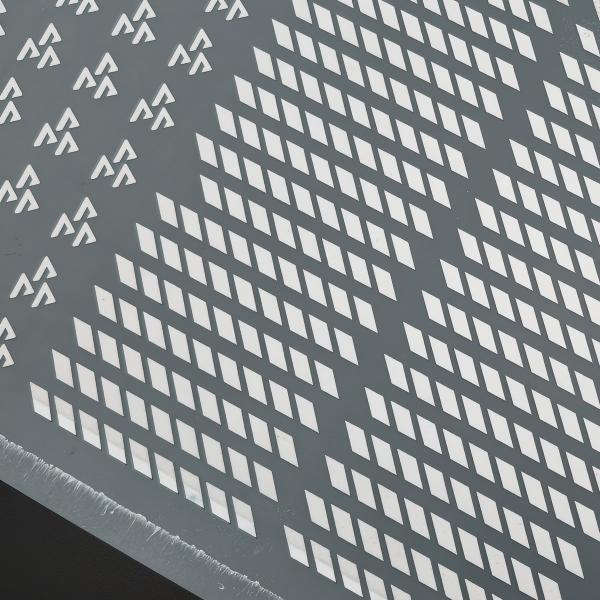
 
Key Specifications to Consider for Laser Cut Vinyl Solutions

Key Specifications to Consider for Laser Cut Vinyl Solutions

Before committing to a purchase, several key specifications should be thoroughly examined:

Material Composition: The type of vinyl, whether PVC, polyurethane, or other polymer blends, impacts its durability, flexibility, and adhesive properties. PVC is common for general applications,  while polyurethane is often  preferred for its superior stretch and durability.

Thickness: Typically measured  in mils, the thickness of the vinyl affects its application ease and longevity. For instance, vinyl ranging  from 2 to 4 mils  is often suitable  for indoor  use, while 6 to 10 mils is recommended for outdoor applications.

Adhesive  Quality: The adhesive's strength  and type (permanent  or  removable) will determine how well the  vinyl adheres to surfaces. Permanent adhesives are ideal for long-term applications, while removable  options are beneficial for temporary signage.

Temperature  Resistance: If the  vinyl will be exposed to extreme  temperatures, look for products that can withstand these conditions without  degrading.

UV Resistance: For outdoor applications, UV resistance is essential  to prevent  fading and maintain the material's integrity over time.

These specifications can significantly influence the performance  of your laser cut vinyl. Discuss your specific needs with suppliers to ensure they can meet your requirements.
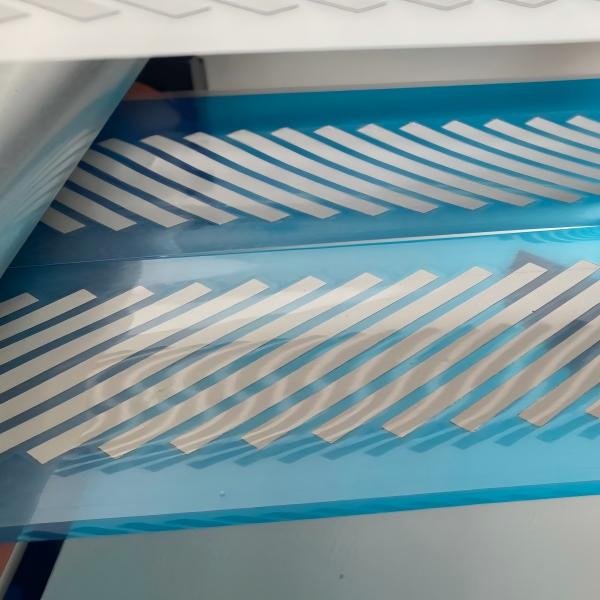
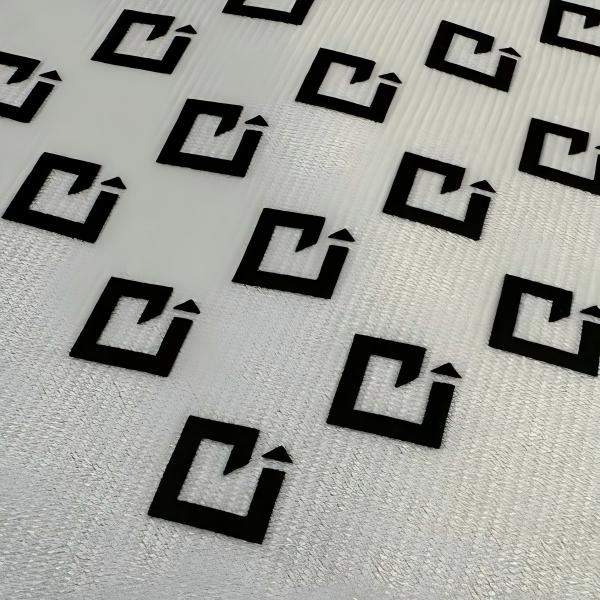
Common Installation Issues with Laser Cut Vinyl and Solutions

Common Installation Issues with Laser Cut Vinyl and Solutions

Installation of laser cut vinyl can present  challenges, especially for larger  projects or intricate designs. Common issues  include  air bubbles, misalignment,  and improper adhesion.

Air  Bubbles:  These  often occur  during application due to trapped air. To mitigate this, use a squeegee to press down the vinyl  and push  out air towards the edges. For stubborn bubbles, a small pin can help release  trapped air.

Misalignment: This can happen if the vinyl is not properly aligned during the initial placement. Use a hinge method for larger pieces, securing one edge first and gradually laying down the  rest to maintain alignment.

Improper Adhesion: This usually stems from surface contamination. Ensure  that the surface is clean and free of dust, grease, or moisture before applying the  vinyl. If the  vinyl does not stick properly, it may be necessary to remove and reapply it after  cleaning the surface.

Addressing these issues proactively  can  save time and resources, ensuring a successful  installation.

Cost Factors to Consider When Purchasing Laser Cut Vinyl

Cost Factors to Consider When Purchasing Laser Cut Vinyl

The cost of  laser cut vinyl can vary significantly based on several factors. Understanding these elements can help you budget effectively  for your projects.


Material Quality: Higher-quality vinyls tend to be more expensive but also offer better performance, such as enhanced durability and UV resistance. Investing in  quality can reduce long-term costs  associated with replacements  and repairs.

Thickness and Finish: Thicker vinyl or specialty finishes can  increase costs. Balance your needs for durability and aesthetics with your budget.

Customization Needs: Custom designs, colors,  or sizes often  come at a premium. If your project allows for standard  sizes and colors, you may save on  costs.

Volume Discounts: Purchasing in bulk can lead to significant savings. If your  projects involve multiple applications,  consider consolidating orders  to take advantage of tiered pricing.

Shipping and Handling:  Factor in potential shipping  costs, especially for large or heavy  rolls of vinyl. Additionally,  ensure you understand the lead times associated with your order, as expedited shipping can add  to costs.

By evaluating these cost factors, you can make informed decisions that align with your budget and  project goals.

Applications of Laser Cut Vinyl in Manufacturing and Design

Laser cut vinyl is utilized  across various industries,  offering unique advantages for manufacturing and design applications.

Signage:  Businesses often use laser cut vinyl for eye-catching signage that can withstand outdoor elements. Its versatility allows for intricate designs that attract attention while  maintaining  brand identity.

Packaging: In the packaging sector, laser cut vinyl can create  custom labels and wraps that enhance product presentation. Its ability  to adhere well to different surfaces ensures a professional finish that can withstand  handling and transportation.

Automotive:  The  automotive industry employs  laser cut vinyl for decorative wraps and functional  decals. Its durability  and resistance to fading make it  suitable  for both interior and exterior applications.

Interior  Design: Designers use laser cut vinyl for wall  art and decorative elements, allowing for customization in homes and commercial spaces. The  material's  flexibility enables it to conform to various surfaces, enhancing aesthetic appeal.

Promotional Items: Businesses leverage laser cut vinyl for promotional giveaways, utilizing its color variety and customization options to create attractive and memorable items.

Understanding these applications can help buyers identify how laser cut vinyl can meet their specific needs, ensuring they select the right products for  their projects.

How to Choose the Right Laser Cut Vinyl for Your Projects

When selecting laser  cut vinyl, it's  crucial to assess the specific  requirements of your project. Start by considering the intended application—whether  it's for indoor signage, promotional materials, or automotive decals. Each application may have  different durability, flexibility, and adhesive needs.

Next, evaluate  the thickness and finish of the vinyl. Thicker materials generally offer better durability, making them suitable for  outdoor use, while thinner vinyls  are more flexible and easier to  manipulate for intricate designs. Additionally,  the finish—glossy, matte, or transparent—can significantly affect  the final appearance of the project.  It's advisable to request samples  to evaluate how each option  performs under your  specific conditions.


Finally, consider  customization  capabilities. Many suppliers offer a range of colors and patterns, allowing you to tailor the vinyl to your  brand's identity. Customization options  may also include pre-cut shapes or sizes, critical for projects requiring precise dimensions. If you're looking for advanced cutting techniques, consider exploring our Medium-Power Large-Format Laser Cutting System for customized solutions.

Get a Free Quote

Our representative will contact you soon.
Email
Name
Company Name
Message
0/1000

Related product categories