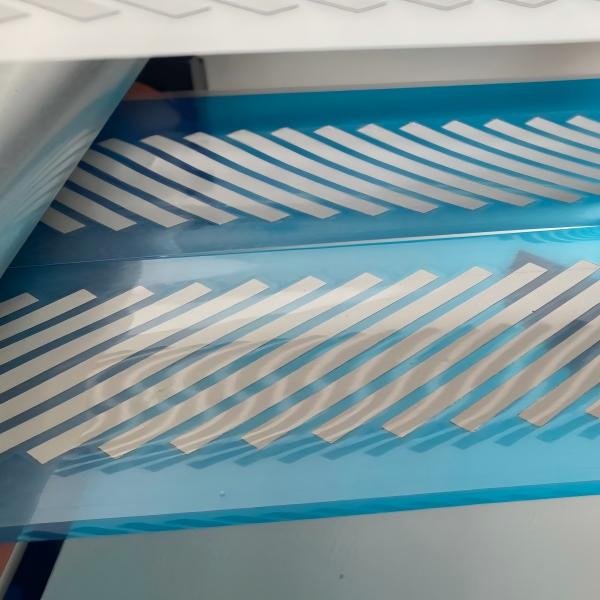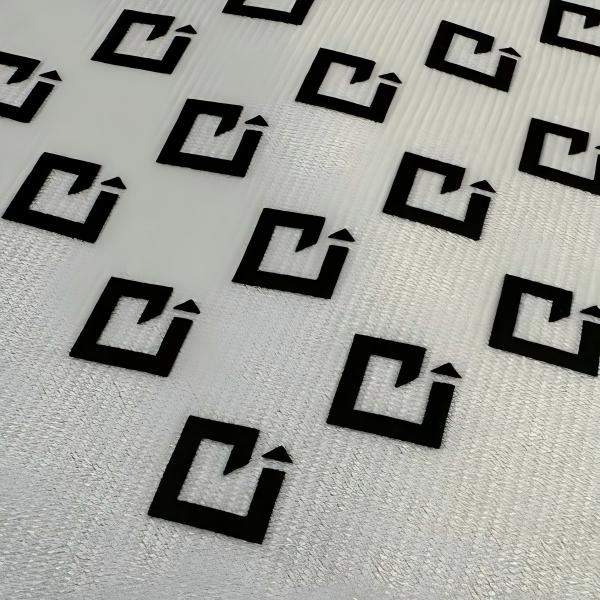
Laser cut vinyl is a versatile material widely used in various industries for applications such as signage, packaging, and automotive design. B2B buyers often seek this product for its precision, durability, and aesthetic appeal. However, with numerous options available, selecting the right laser cut vinyl can be challenging. This article will guide purchasing managers and product developers through the essential considerations for choosing, installing, and optimizing laser cut vinyl for their projects. For instance, understanding the benefits of a Visual Galvanometer Laser Cutting System can enhance your cutting precision.
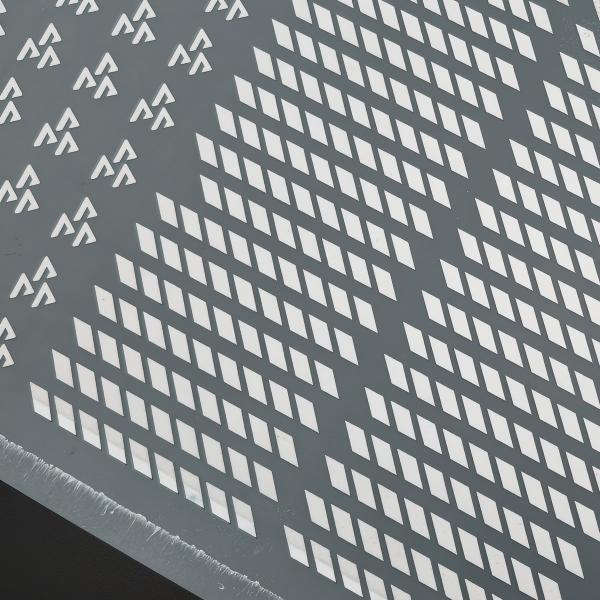
Key Specifications to Consider for Laser Cut Vinyl Solutions
Before committing to a purchase, several key specifications should be thoroughly examined:
Material Composition: The type of vinyl, whether PVC, polyurethane, or other polymer blends, impacts its durability, flexibility, and adhesive properties. PVC is common for general applications, while polyurethane is often preferred for its superior stretch and durability.
Thickness: Typically measured in mils, the thickness of the vinyl affects its application ease and longevity. For instance, vinyl ranging from 2 to 4 mils is often suitable for indoor use, while 6 to 10 mils is recommended for outdoor applications.
Adhesive Quality: The adhesive's strength and type (permanent or removable) will determine how well the vinyl adheres to surfaces. Permanent adhesives are ideal for long-term applications, while removable options are beneficial for temporary signage.
Temperature Resistance: If the vinyl will be exposed to extreme temperatures, look for products that can withstand these conditions without degrading.
UV Resistance: For outdoor applications, UV resistance is essential to prevent fading and maintain the material's integrity over time.
These specifications can significantly influence the performance of your laser cut vinyl. Discuss your specific needs with suppliers to ensure they can meet your requirements.