Automotive Industry Trends and Laser Cutting Solutions

Get a Free Quote

Our representative will contact you soon.
Email
Name
Company Name
Message
0/1000

automotive industry trends

In  the rapidly evolving automotive industry,  staying updated on automotive industry trends  is crucial  for manufacturers  and  suppliers  to remain competitive.  The integration of advanced technologies, such as laser cutting and engraving systems, is transforming production processes  within this  sector. This article will help B2B buyers  understand  how to select the right laser cutting solutions, identify reliable suppliers, and navigate the cost  factors associated  with  bulk orders,  while also addressing  common production challenges and exploring  the  applications of laser cutting technology  in automotive manufacturing.
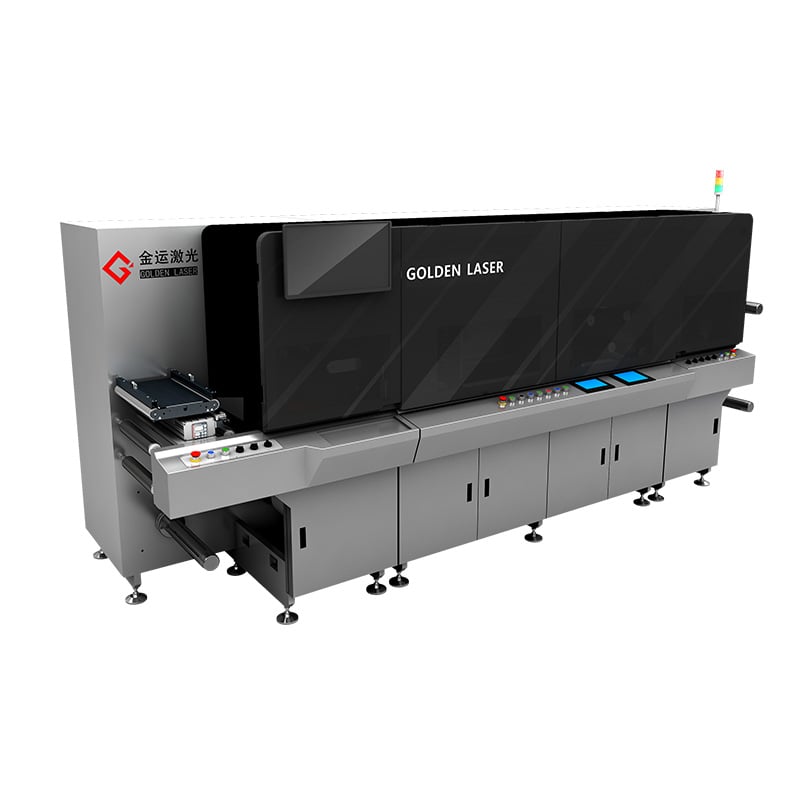
Our Products

Where to Source Reliable Suppliers for Automotive Equipmen

Where to Source Reliable Suppliers for Automotive Equipmen

When  sourcing suppliers for automotive laser  cutting  equipment, it’s  essential to look for manufacturers with a proven track  record in the industry. Start by  researching companies that specialize in laser technologies  and have  experience in automotive  applications. Reliable suppliers should  offer comprehensive support,  including technical assistance and product training.

Industry trade shows and exhibitions are excellent venues to meet suppliers,  see equipment demonstrations,  and establish direct connections. Additionally, online platforms  and trade  directories  can  provide insights into supplier reputations through reviews and ratings.

It’s also beneficial to request case studies or references from potential suppliers to understand their experience with similar projects. A supplier that  has successfully handled automotive applications is likely to understand the specific  needs and challenges  of your production processes.
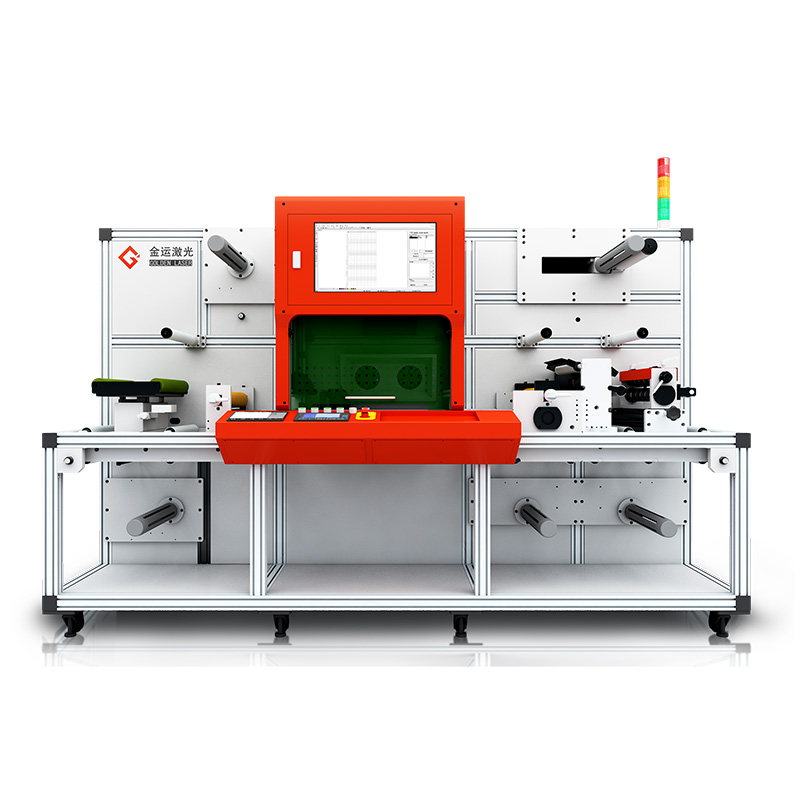
Cost Factors in Bulk Orders of Automotive Laser Cutting Systems

Cost Factors in Bulk Orders of Automotive Laser Cutting Systems

Cost is a  significant factor when ordering laser cutting systems in bulk, and several  elements  will influence the overall pricing. Firstly, the initial investment in the equipment can vary based on the technology and specifications required. For instance, higher-powered lasers designed for cutting thicker materials typically  come at  a higher cost.

Other considerations include  the  volume of  machines ordered—bulk purchases often lead to discounts, but it’s crucial  to  assess your  actual  production needs to avoid over-investing. Additionally, factor  in  the costs related to installation, training, and ongoing maintenance, as these can  add to  the total expenditure.

Finally, consider the&nbsp; potential&nbsp; for long-term savings. Investing in high-quality, efficient laser cutting systems&nbsp; may lead to&nbsp; reduced operating costs over time, making it a more economical choice in the long run.</p>

Common Problems in Automotive Production and Their Solutions

Common Problems in Automotive Production and Their Solutions

Automotive production&nbsp; can present&nbsp; various challenges, particularly when integrating new technologies like laser cutting. One common issue is the misalignment of parts during the cutting process, which can lead to increased waste and rework. To mitigate this, ensure that your laser cutting system is equipped with reliable optical systems and calibration tools to&nbsp; maintain precision.

Another frequent problem is the&nbsp; quality of the cut edges. Imperfections can affect the&nbsp; fit&nbsp; of parts and&nbsp; ultimately&nbsp; the&nbsp; performance of&nbsp; the&nbsp; final product. It's crucial to select a laser cutting system&nbsp; that provides&nbsp; fine control over&nbsp; parameters such as speed and&nbsp; power&nbsp; to achieve clean cuts, especially for intricate designs.

Additionally, material compatibility can lead to challenges, such as&nbsp; burning or warping. Testing materials in advance and using appropriate&nbsp; settings can help prevent these issues. Engaging&nbsp; with experienced&nbsp; suppliers who understand these common pitfalls can also provide valuable insights and solutions tailored to your production needs.

Applications of Laser Cutting Technology in the Automotive Sector

Laser cutting technology has a wide range of applications in the automotive sector, enhancing both the efficiency and quality of production processes.&nbsp; One prominent use is in&nbsp; the manufacturing of complex components, such as brackets, housings,&nbsp; and panels, where precision&nbsp; is paramount. The ability to achieve intricate designs without the need for extensive&nbsp; tooling is a significant advantage.

Another application is&nbsp; in prototyping and small batch production. Laser cutting allows for&nbsp; rapid adjustments to designs, enabling manufacturers to&nbsp; iterate quickly based on testing and feedback.&nbsp; This agility can significantly reduce time-to-market for new automotive models or features.

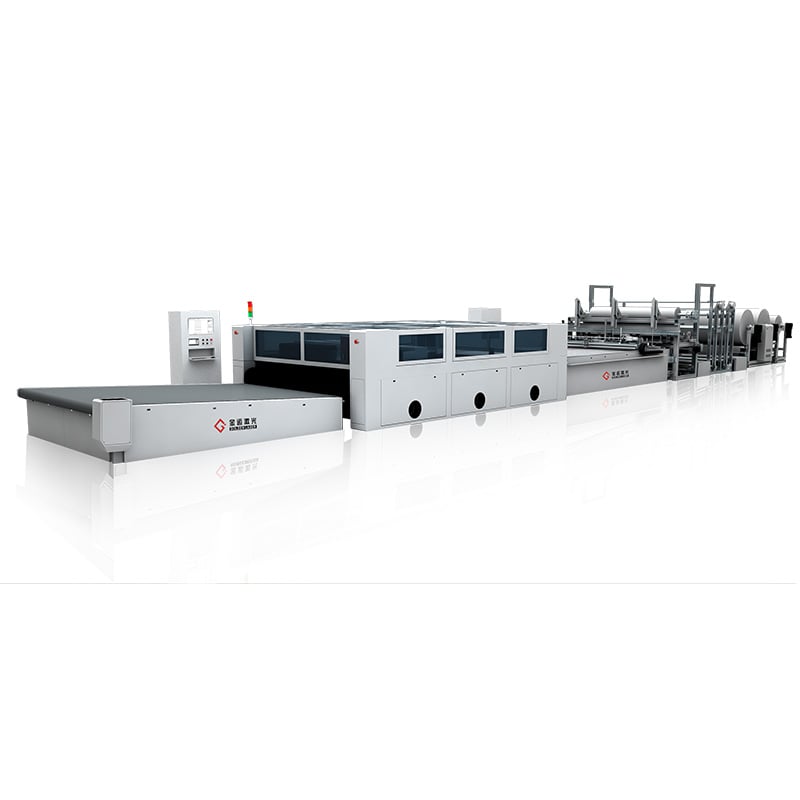
Moreover, laser cutting is increasingly&nbsp; used for lightweighting components. By precisely cutting materials, manufacturers can reduce excess weight without compromising structural integrity, which is critical for improving fuel efficiency and overall vehicle performance. Systems like the Medium-Power Large-Format Laser Cutting System are particularly effective for these applications.

Understanding the&nbsp; automotive industry trends&nbsp; and effectively utilizing laser cutting technology can lead to significant improvements in production capabilities. By carefully selecting laser cutting solutions, sourcing reliable suppliers, evaluating cost factors, addressing common production issues,&nbsp; and exploring&nbsp; various applications, B2B buyers can make&nbsp; informed decisions that&nbsp; enhance their manufacturing processes&nbsp; and meet the&nbsp; evolving demands of&nbsp; the automotive market.

How to Choose the Right Laser Cutting Solutions for Automotive

Selecting&nbsp; the right laser cutting solution for automotive applications involves several key&nbsp; considerations. First, assess the specific tasks&nbsp; required—whether it’s cutting, engraving, or&nbsp; marking materials. Each application may require different laser technologies,&nbsp; such as CO2 or fiber lasers, each with&nbsp; unique&nbsp; benefits. For instance, fiber&nbsp; lasers are often preferred for their efficiency&nbsp; in cutting metals,&nbsp; while&nbsp; CO2 lasers excel in&nbsp; processing non-metal materials.

Next, consider the material specifications. The type of material—be it steel,&nbsp; aluminum, or plastics—plays a critical role in determining the laser parameters, including&nbsp; power, speed, and focus. Ensure that the chosen system is compatible with the materials you plan to&nbsp; use. Additionally, evaluate&nbsp; the machine's precision and&nbsp; repeatability, as these factors significantly impact the quality of finished parts.

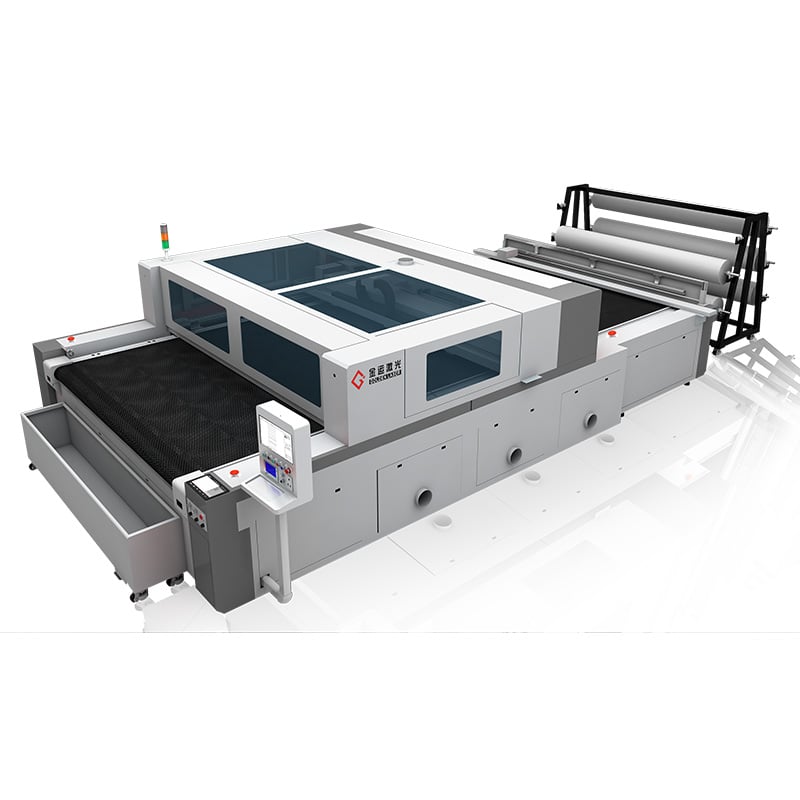
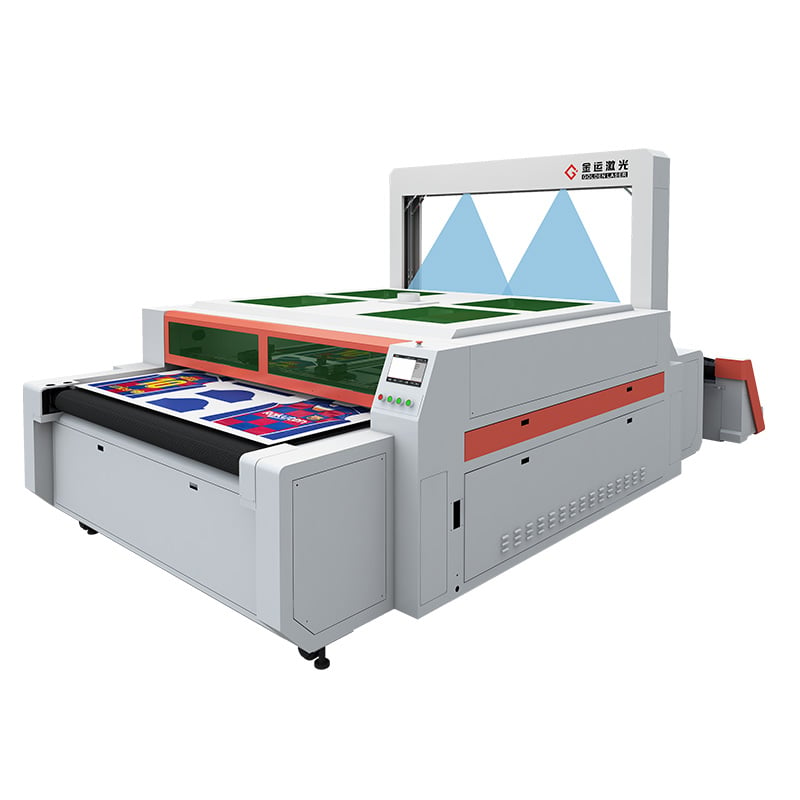
Lastly, customization capabilities&nbsp; should not be overlooked. The&nbsp; ability to adjust settings for particular projects can&nbsp; enhance production flexibility. Discuss your specific requirements with the supplier to ensure that the laser cutting system can be tailored to meet your production needs. For example, Large Format Visual Laser Cutting System may offer unique customization options.

Get a Free Quote

Our representative will contact you soon.
Email
Name
Company Name
Message
0/1000

Related product categories