
Choosing the Right CO2 Laser Cutter for Manufacturing

Get a Free Quote

Our representative will contact you soon.
Email
Name
Company Name
Message
0/1000

co2 laser cutters

CO2  laser  cutters are essential tools in  modern manufacturing, offering precision and  versatility for a  variety of applications, including engraving and  cutting  different materials. As  a B2B buyer, you may have concerns regarding  the selection, specifications, and  overall quality of these machines,  given  their  significant impact on production efficiency  and product quality. This  article will guide you through the key  considerations for purchasing CO2 laser  cutters, helping you make  an informed  decision that aligns with your manufacturing needs.
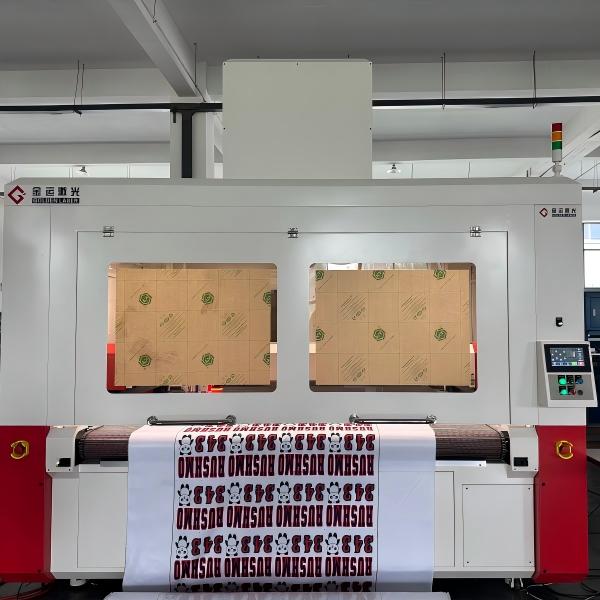
 
Key Specifications to Compare in CO2 Laser Cutters

Key Specifications to Compare in CO2 Laser Cutters

When evaluating CO2 laser cutters,  several specifications  will help you determine the best option for your needs:

Laser Power: Measured in watts, higher power levels enable cutting through thicker  materials  and  faster processing speeds. Typical ranges are between 40W to 150W, with higher  wattages available for industrial applications.

Cutting  Speed: This specification indicates how quickly the cutter can move across the material. Depending on your production needs, a  faster cutting speed can significantly  enhance productivity.

Bed  Size: The working  area of the laser cutter  should accommodate  the largest piece you plan to  cut or engrave.  Larger  bed sizes may be necessary for bulk processing of  materials or larger  projects.

Material Compatibility: Different machines excel with various materials. Ensure  that the cutter is capable of handling the specific substrates you intend to use, such as acrylic, wood, leather, or fabric.  Notably, a laser die cutting system  may also be an excellent option for specific material types.

Cooling System: CO2 lasers require effective cooling to maintain optimal performance. Check if the machine uses water cooling or air cooling, as this can affect both efficiency and  maintenance needs.

By comparing these specifications across different models, you can better identify a CO2 laser cutter that meets your manufacturing requirements.
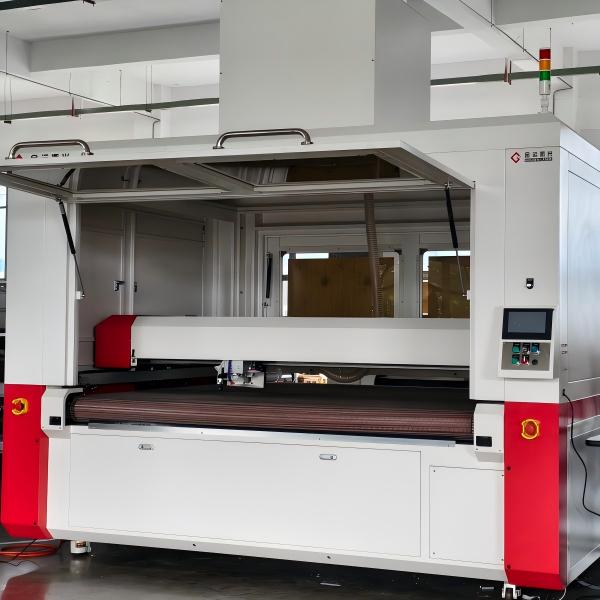
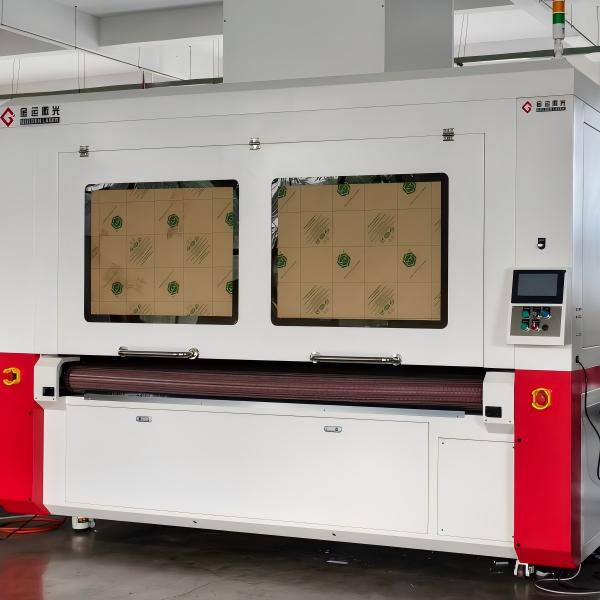
Evaluating the Quality of CO2 Laser Cutting Machines

Evaluating the Quality of CO2 Laser Cutting Machines

Quality evaluation encompasses several factors, including build quality, precision, and manufacturer reputation. A well-constructed  CO2 laser cutter should have a sturdy frame to withstand vibrations and ensure accuracy during operation. Additionally, consider the components used in the  laser system, such as  mirrors and lenses, as high-quality optics are  critical for maintaining cutting precision.


You should also inquire about warranty  and  service  agreements  offered by the  manufacturer. A comprehensive  warranty can provide peace  of mind regarding  potential repairs and maintenance needs. Moreover,  understanding the manufacturer's support capabilities is essential; a reputable manufacturer, like Golden Laser, will  often provide extensive  customer support and training resources.

Finally, gather feedback from existing  users of the machine you are  considering. Real-world  experiences can provide insights into the  machine's reliability and performance over time, helping you make a more informed purchasing decision.

Cost Factors to Consider When Buying CO2 Laser Cutters

Cost Factors to Consider When Buying CO2 Laser Cutters

The total cost of acquiring a CO2 laser cutter extends beyond the initial purchase price. Here are key factors to consider:


Initial Investment: The base price of the machine is your starting point, but remember to include costs for any necessary accessories, such as exhaust systems or additional lenses.

Operating Costs: Factor in the cost of consumables, such as gas for the laser, replacement parts, and maintenance  supplies. Understanding  these ongoing costs will help you calculate the total cost of ownership.

Energy Consumption:  CO2 laser cutters can vary significantly in their energy requirements. Machines with higher efficiency  ratings may save you money in the long  run.

Training and Support:  If  the manufacturer provides training  or  onboarding support, consider these costs as part of your overall investment. Effective training can lead to better machine utilization and  reduced operational errors.


Lead Time for Delivery: Depending on the  manufacturer and model,  lead times can vary. Be  sure to account for this when planning  your production schedule.


By evaluating these cost  factors, you can  better understand the financial implications of your purchase and avoid unexpected expenses down the  line.

Maximizing Efficiency with CO2 Laser Cutters in Production

To maximize efficiency with your CO2 laser cutter,  consider the following practices:

Optimize Cutting Paths: Software  used  in conjunction with the laser cutter can  help optimize  cutting paths, reducing unnecessary movement and speeding up production  times.

Regular Maintenance: Implement a regular maintenance schedule to keep the machine in optimal working condition. This includes cleaning optics, checking alignment, and replacing worn components as needed.

Material Preparation: Ensure materials are properly prepared before cutting. This may  involve cleaning surfaces to  remove dust or  oils that could affect cut quality.


Utilize Automation: If applicable, integrating automation systems can streamline the loading and unloading of materials, further enhancing productivity.

Training Operators: Invest in training your operators thoroughly.  Well-trained staff can make the most of the machine's capabilities and minimize errors, leading to higher quality outputs.

By focusing on these efficiency-enhancing  strategies, you can  significantly improve the performance and output of  your CO2  laser  cutter, ultimately contributing to your bottom line.

In  summary, selecting the right CO2 laser cutter involves careful consideration of your manufacturing needs,  specifications, quality evaluation, cost factors,  and operational efficiency. By following these guidelines, you can ensure a successful investment that enhances your production capabilities.


Choosing the Right CO2 Laser Cutter for Your Manufacturing Needs

When selecting  a CO2 laser cutter, it's crucial to consider  the specific requirements of your production environment. Factors such as the materials you will be working with, the thickness of those materials, and  the  precision needed  for your  applications will guide your  choice. For instance, if your business primarily focuses  on the signage or packaging sectors, a flatbed laser  cutter may be more suitable for  larger sheets of material. Conversely, for intricate  designs in small formats, a visual laser  cutting machine could be the ideal fit.

Another important aspect is the machine's compatibility with existing production equipment. Ensure that the CO2 laser  cutter can integrate seamlessly into  your current workflow to  avoid disruptions  during production. Additionally, consider the machine's  user interface, as  an intuitive control  system  can reduce training time for your operators and enhance productivity.

Get a Free Quote

Our representative will contact you soon.
Email
Name
Company Name
Message
0/1000

Related product categories