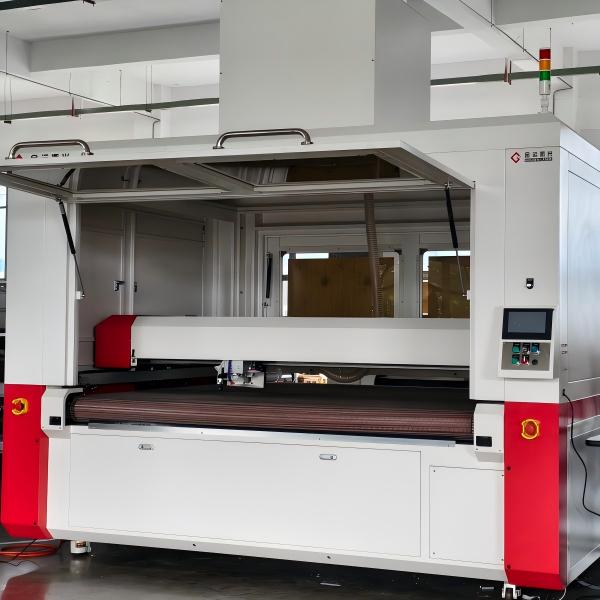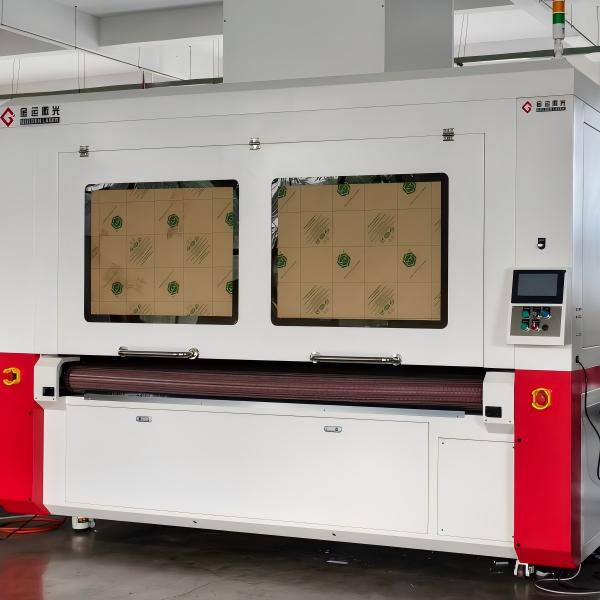
CO2 laser cutters are essential tools in modern manufacturing, offering precision and versatility for a variety of applications, including engraving and cutting different materials. As a B2B buyer, you may have concerns regarding the selection, specifications, and overall quality of these machines, given their significant impact on production efficiency and product quality. This article will guide you through the key considerations for purchasing CO2 laser cutters, helping you make an informed decision that aligns with your manufacturing needs.
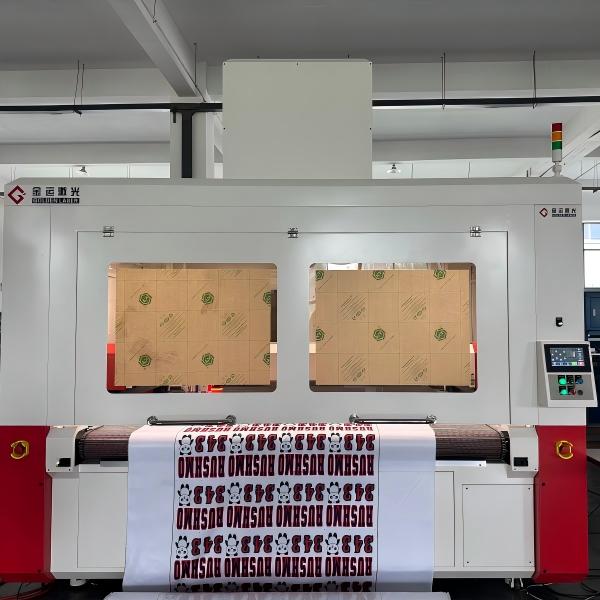
Key Specifications to Compare in CO2 Laser Cutters
When evaluating CO2 laser cutters, several specifications will help you determine the best option for your needs:
Laser Power: Measured in watts, higher power levels enable cutting through thicker materials and faster processing speeds. Typical ranges are between 40W to 150W, with higher wattages available for industrial applications.
Cutting Speed: This specification indicates how quickly the cutter can move across the material. Depending on your production needs, a faster cutting speed can significantly enhance productivity.
Bed Size: The working area of the laser cutter should accommodate the largest piece you plan to cut or engrave. Larger bed sizes may be necessary for bulk processing of materials or larger projects.
Material Compatibility: Different machines excel with various materials. Ensure that the cutter is capable of handling the specific substrates you intend to use, such as acrylic, wood, leather, or fabric. Notably, a laser die cutting system may also be an excellent option for specific material types.
Cooling System: CO2 lasers require effective cooling to maintain optimal performance. Check if the machine uses water cooling or air cooling, as this can affect both efficiency and maintenance needs.
By comparing these specifications across different models, you can better identify a CO2 laser cutter that meets your manufacturing requirements.