High-Quality Laser Cut Sticker Materials Guide

Get a Free Quote

Our representative will contact you soon.
Email
Name
Company Name
Message
0/1000

laser cut sticker material

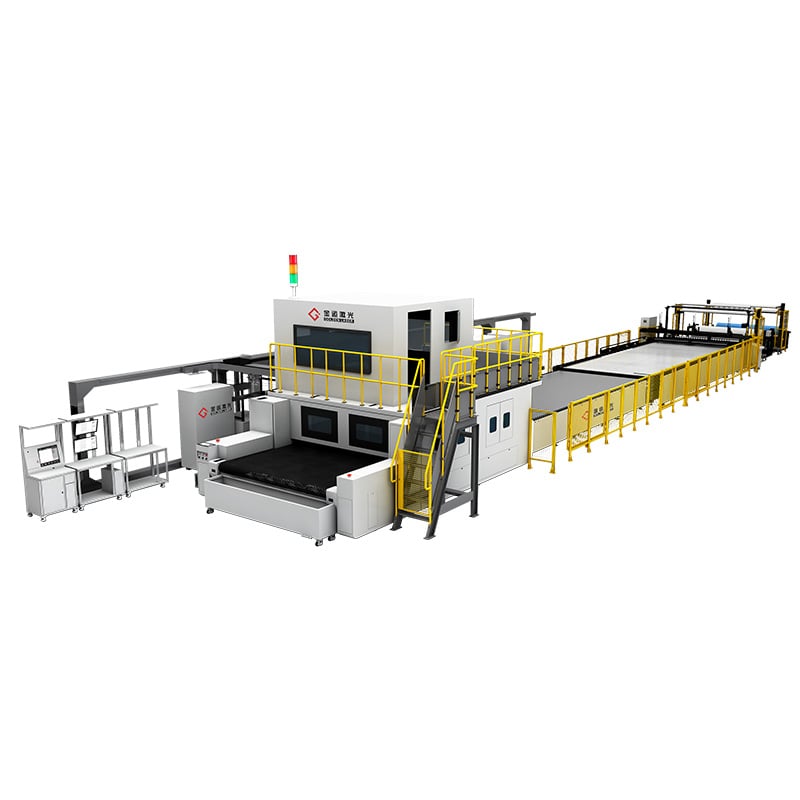
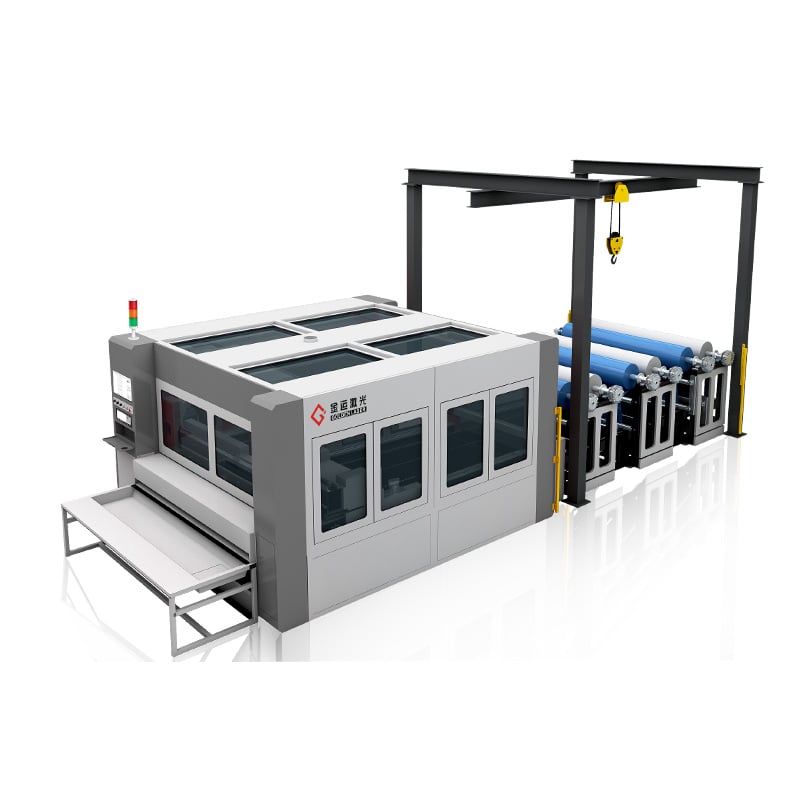
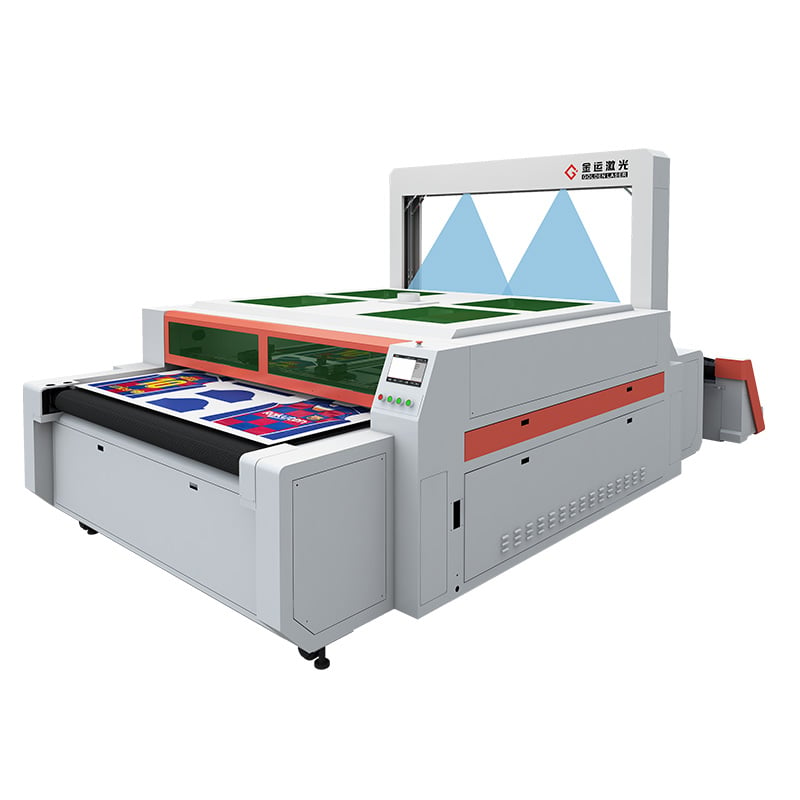
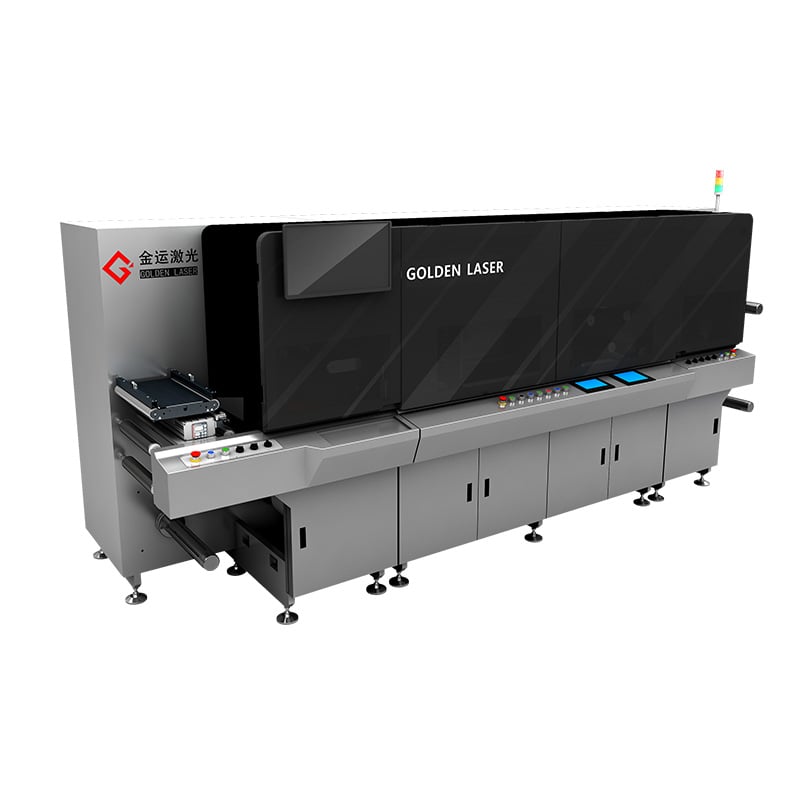
Laser  cut sticker materials are  essential  for a variety of  applications  including signage, packaging, and branding. These materials require precision and quality to ensure optimal  performance and durability.  When purchasing laser cut  sticker materials, buyers  often have  concerns about specifications, costs,  installation challenges,  and quality control.  This article will provide insights  into  these aspects,  helping  purchasing managers and product  managers make  informed decisions when sourcing laser cut sticker materials. For advanced cutting technology, you might want to explore our Visual Laser Cutting System.
 

Our Products

How to Evaluate the Cost of Laser Cut Sticker Materials

How to Evaluate the Cost of Laser Cut Sticker Materials

Evaluating the cost  of laser cut sticker materials  involves  understanding various factors that influence pricing. Key considerations  include:

Material Costs: The type and quality of material significantly impact the overall cost. Specialty materials or those  with enhanced properties may come at a  premium.

Customization: Custom  shapes, sizes,  and printed designs can increase production  time and complexity, thereby affecting pricing. Buyers  should weigh the necessity of  customization against their budget and project requirements.

Production  Volume: Higher  order quantities typically  result in lower per-unit costs. Understanding the minimum order quantity (MOQ) and potential for bulk pricing can aid  in cost evaluations.

Lead Time:  Rush orders may incur additional fees. It's essential to balance  the urgency of the  order with cost considerations, as longer lead times can provide opportunities for cost savings.


Shipping and Handling: Costs associated with shipping, including packaging and logistics, should  also be factored into the total cost of ownership.
Common Installation Problems with Laser Cut Sticker Materials

Common Installation Problems with Laser Cut Sticker Materials

Installation of laser cut stickers can  present several challenges that, if not addressed,  can  lead to poor performance or aesthetic issues.  Common problems include:

Surface Preparation: Inadequate surface  cleaning can lead to poor adhesion. For best results,  surfaces should be thoroughly cleaned and dried prior to application to remove dust, grease, or contaminants.

Air Bubbles: Improper application can cause air bubbles to form beneath  the sticker. To mitigate this, installers  should use a  squeegee to push out air as the sticker is  applied,  allowing  for  a smooth finish.

Temperature Sensitivity: Extreme temperatures during installation can affect the adhesive's performance. It's advisable  to apply stickers in moderate temperatures and avoid direct sunlight to  ensure optimal  adhesion.

Alignment  Issues: Misalignment  can ruin the aesthetic of the sticker. Using guides or  templates during installation  can help maintain proper placement and alignment.

Comparing Different Laser Cut Sticker Materials for Your Needs

Comparing Different Laser Cut Sticker Materials for Your Needs

When  selecting  laser cut  sticker materials, it's important to  compare options based on specific application requirements. Here are some common  types:

Vinyl Stickers: Known for their durability and  resistance to moisture, vinyl  stickers are ideal for outdoor applications. They come in various finishes and can withstand UV exposure, making them suitable  for long-term use.

Paper Stickers: Generally less expensive, paper stickers are  best for short-term  use or indoor applications. They are easy to  print on but may not hold up well in wet or harsh conditions.

Polyester Stickers: Offering a blend of durability and flexibility, polyester stickers are suitable for a wide range of applications. They resist tearing and can  tolerate various environmental conditions.

Reflective  Stickers:  These materials enhance visibility in low-light conditions, making  them ideal for safety  signs  and automotive applications. Reflective stickers must meet specific regulatory standards for performance.

When comparing materials, consider  factors such as intended use, environmental exposure, and  budget to find  the best fit.

Understanding the Quality Control in Laser Cut Sticker Manufacturing

Quality control is critical in  the manufacturing of laser cut  sticker materials to ensure they meet the required specifications and performance standards.  Key quality control processes include:

Material Inspection: Raw  materials should  be  inspected for defects  before production begins. This includes checking for consistency  in thickness, adhesion properties,  and surface quality.

Production Testing: During  production, manufacturers should conduct tests to ensure that cutting and  engraving  processes meet specified tolerances. This includes verifying the accuracy of  dimensions  and cutting paths.


Adhesive Testing: Adhesive performance should be evaluated under various conditions to  ensure it meets application requirements. This includes checking for initial tack, shear strength, and resistance to environmental factors.

Final Inspection: Before shipping, a final inspection of finished products should be conducted to catch any defects,  ensuring that only high-quality materials are delivered to customers. This may involve visual inspections  as well as functional tests.

Documentation and Traceability: Maintaining records of quality control processes helps in tracing issues back to their source, allowing for continuous improvement in manufacturing practices.

Incorporating robust quality control  measures not only enhances product reliability but also builds trust with customers, ensuring that they receive materials that meet their exact  specifications.

Key Specifications for High-Quality Laser Cut Sticker Materials

When evaluating laser cut sticker materials, key specifications include thickness, adhesive type, surface finish,  and material composition.

Thickness: The thickness of  the material affects both its durability and flexibility. Thicker  materials provide more robustness but may require higher cutting power and longer processing times. It's crucial to select a  thickness that aligns with the intended  application—whether it's for indoor use, outdoor exposure, or unique surfaces.

Adhesive Type: The  adhesive plays a significant role in the performance of the sticker. Permanent adhesives offer strong bonding but may be challenging to  remove, while removable adhesives provide flexibility but may not  adhere well in all conditions.  Understanding the application environment is  vital to select the appropriate adhesive.

Surface Finish: A smooth finish can enhance the print quality and aesthetic appeal of the sticker. Consider whether a matte or  glossy finish is better  suited for the intended use, as this can affect how colors appear and how the sticker interacts with its environment.

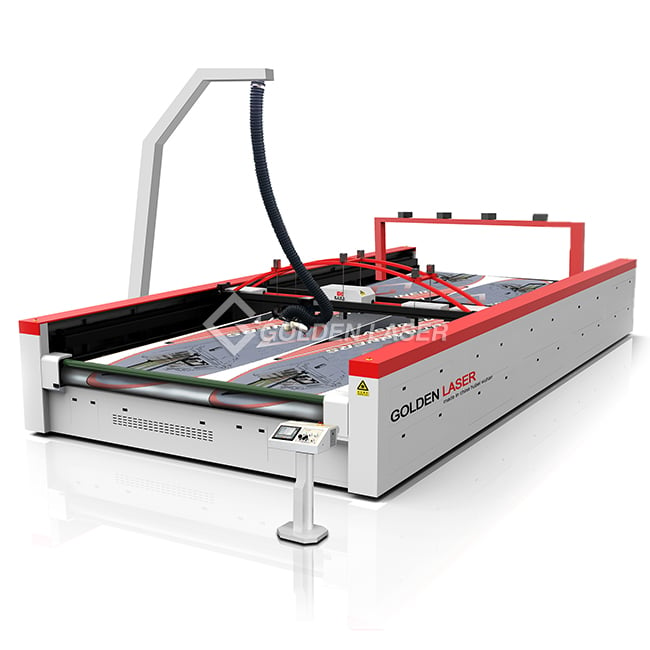
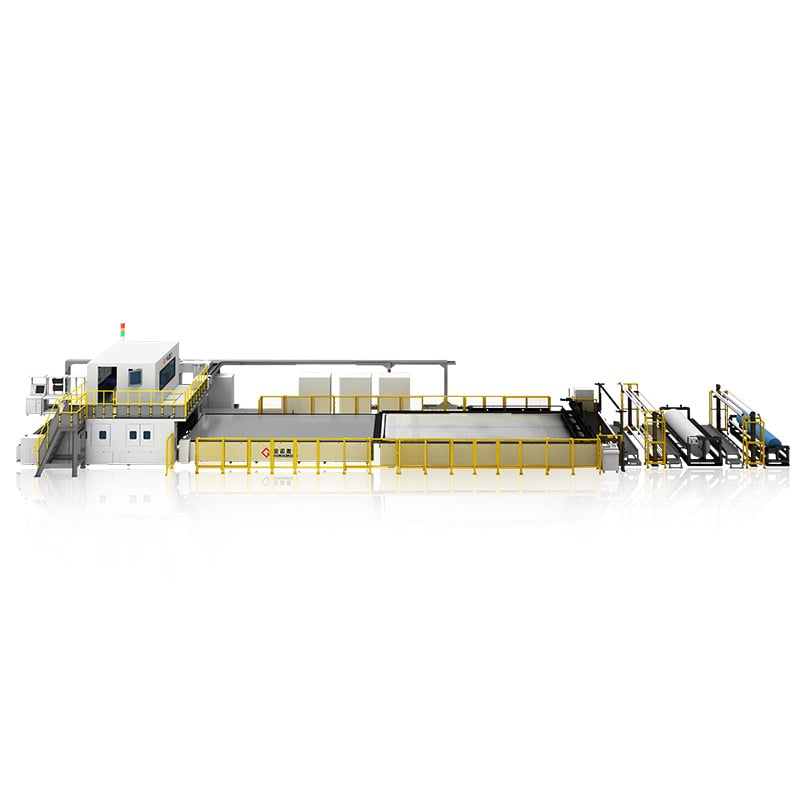
Material Composition: Common materials for laser cut stickers include vinyl, polyester,  and paper. Each type offers different  benefits, such as water  resistance, UV stability, and ease of  printing. The choice of  material should align with the specific requirements of the  application, such as exposure to moisture  or  abrasion. For detailed insights on material options, check out our Flatbed Laser Cutting System.


Get a Free Quote

Our representative will contact you soon.
Email
Name
Company Name
Message
0/1000

Related product categories