Evaluating Flatbed Laser Cutting Machines for Quality

Get a Free Quote

Our representative will contact you soon.
Email
Name
Company Name
Message
0/1000

flatbed laser cutting machine

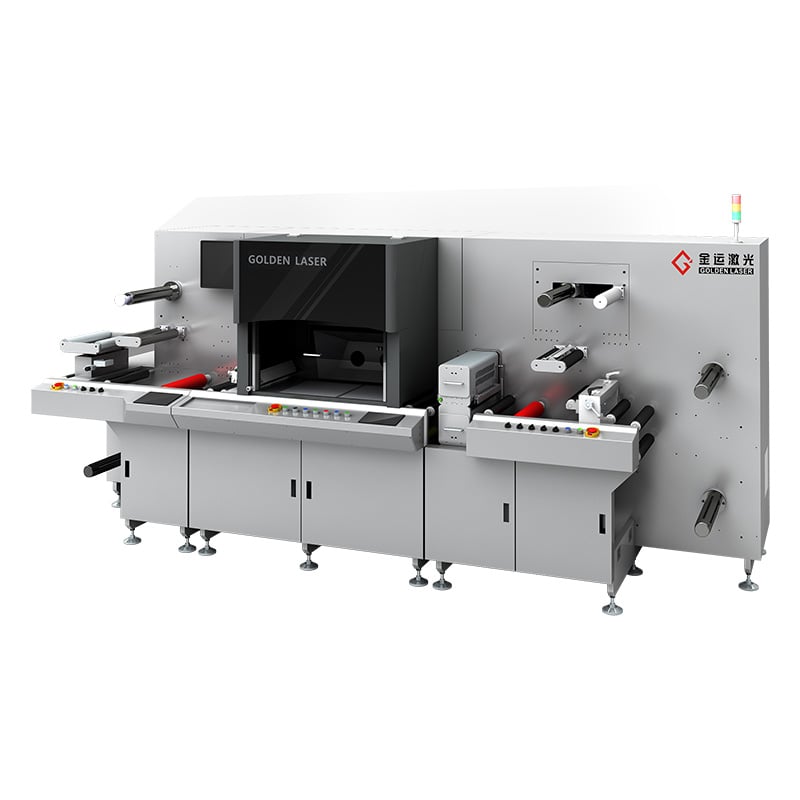
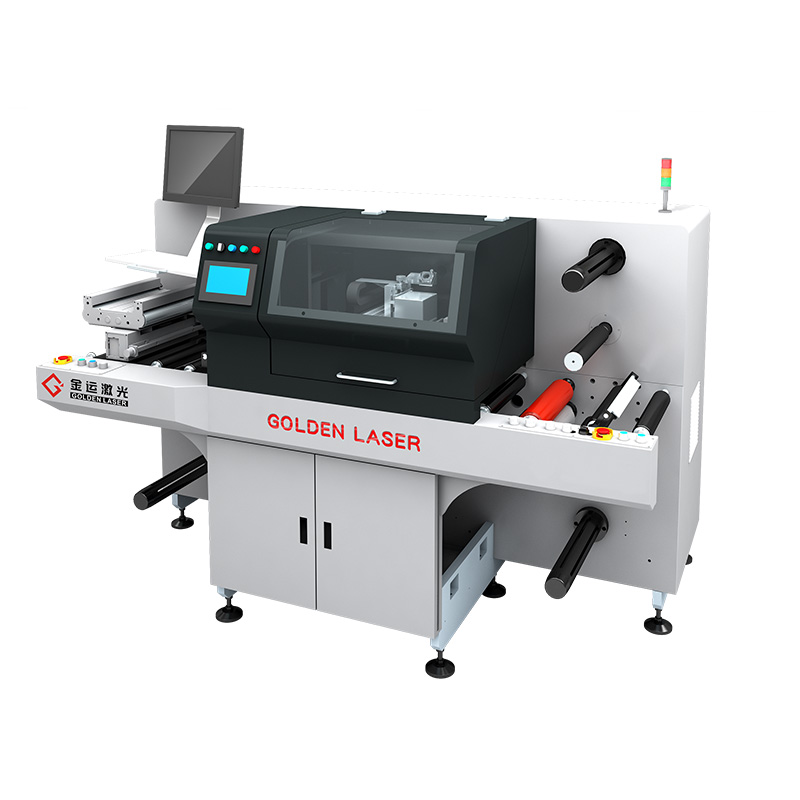
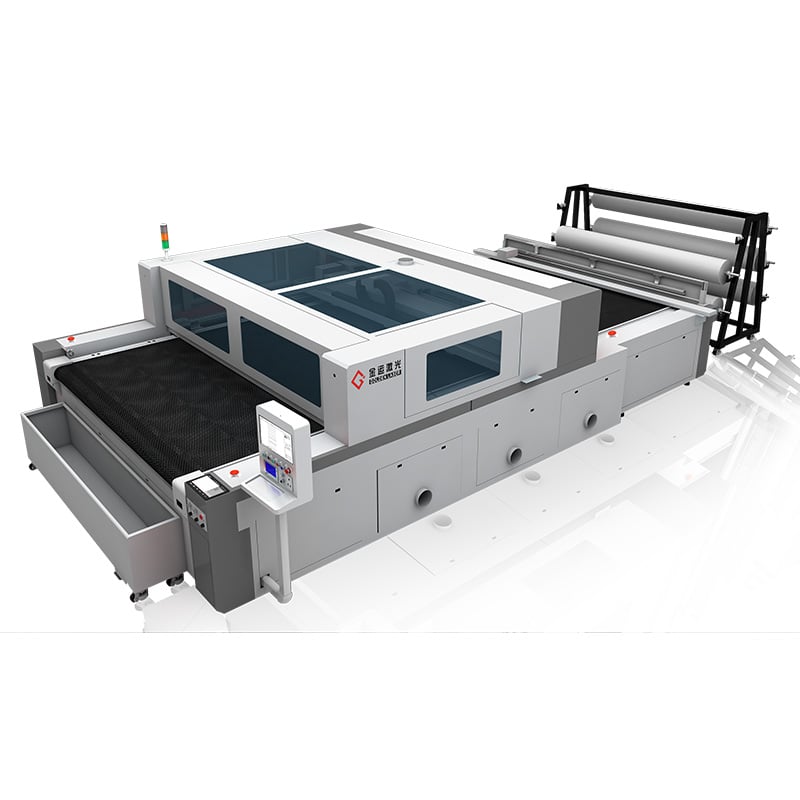
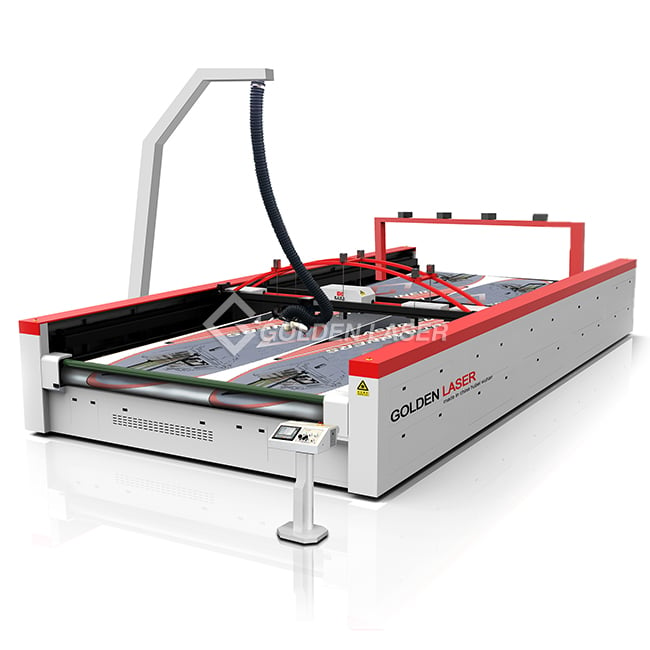
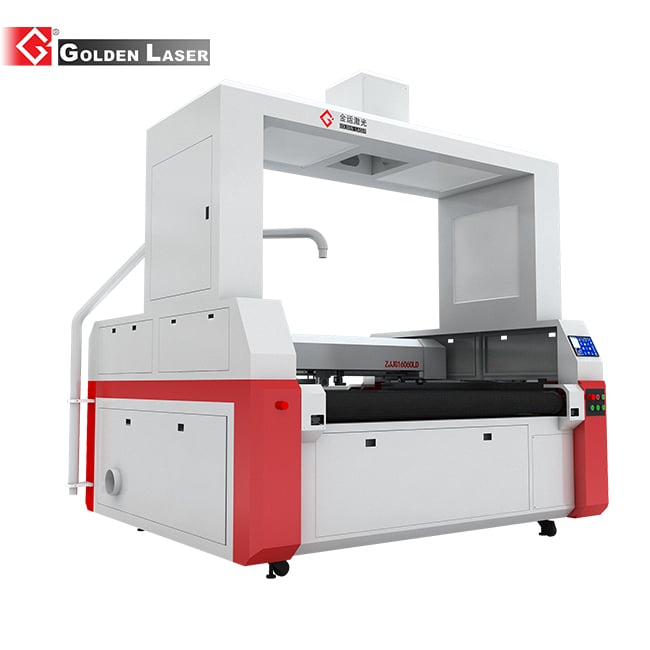
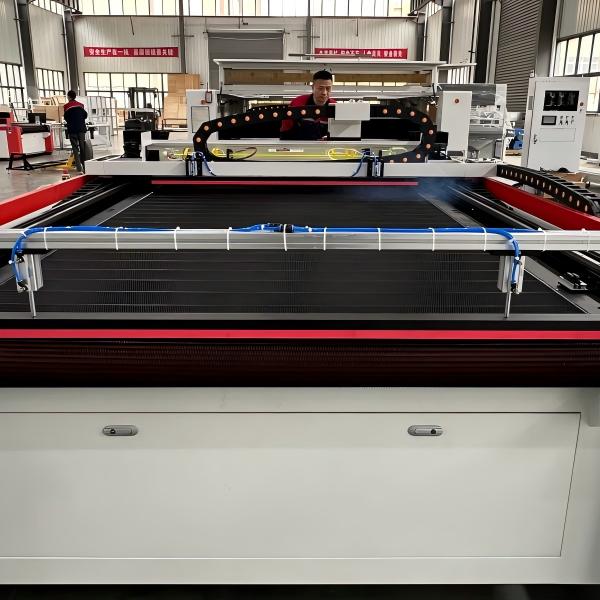
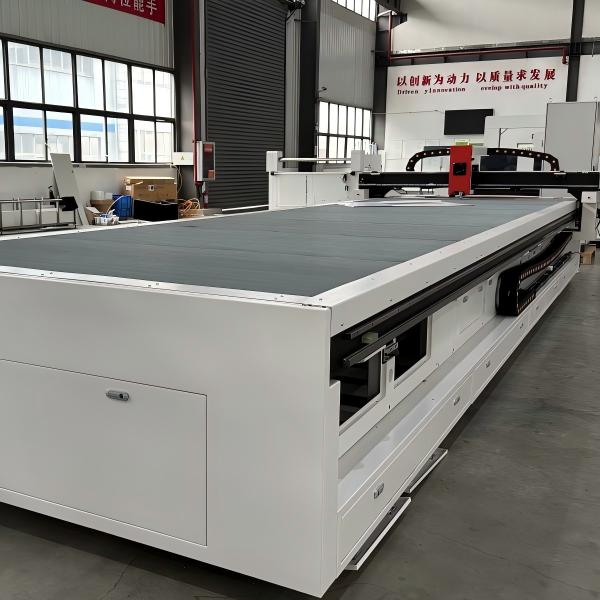
A flatbed laser cutting machine is  a  precision tool that utilizes laser technology to cut a wide range  of materials with high accuracy and  speed.  For  B2B buyers in manufacturing,  engineering,  and  product management, understanding the quality, specifications, and  applications of these machines is  crucial for making informed purchasing decisions. This article  addresses common buyer  concerns, including evaluating machine quality, key specifications to consider,  troubleshooting potential issues, and exploring  various industrial  applications. By the end, readers will gain practical insights to help  them assess and compare  flatbed laser  cutting machines effectively.
 

Our Products

Key Specifications to Consider When Selecting Flatbed Laser Cutters

Key Specifications to Consider When Selecting Flatbed Laser Cutters

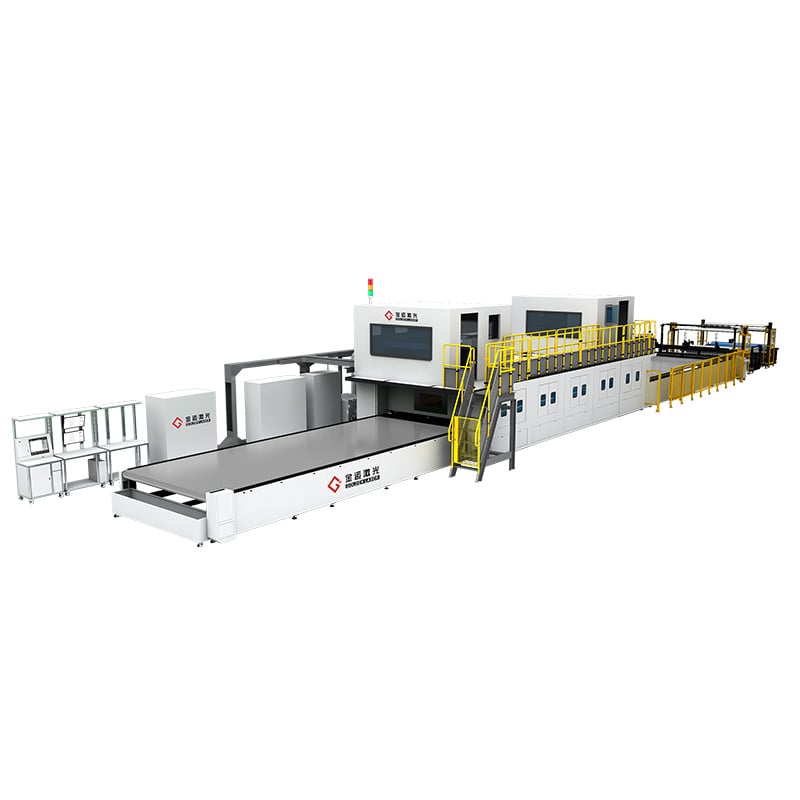
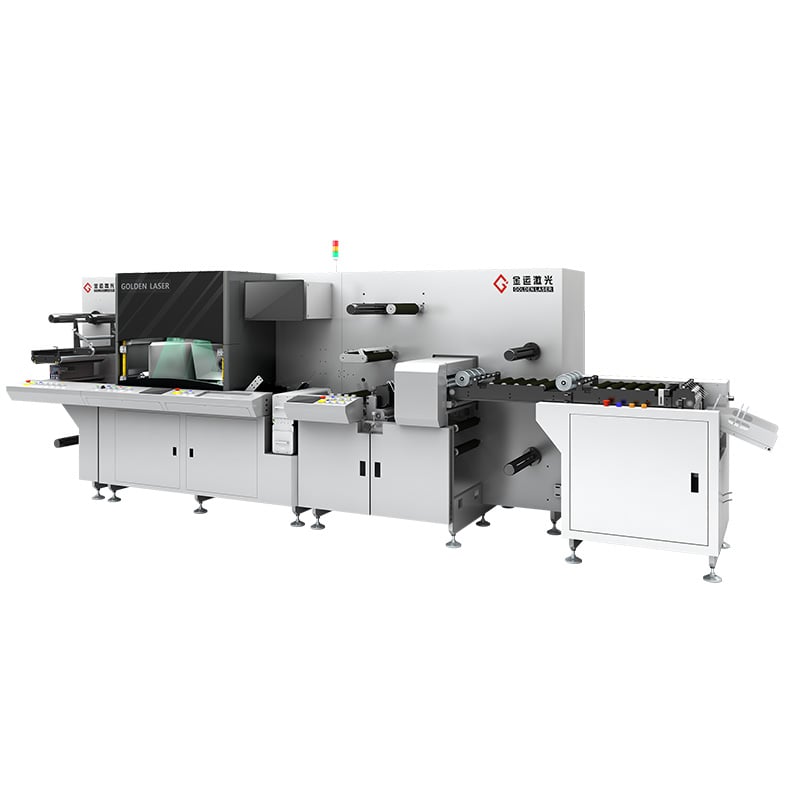
When selecting  a flatbed laser cutting machine, several key  specifications should be prioritized  to match your operational needs. First, consider the laser power,  typically measured in watts. Higher power lasers can cut thicker materials and achieve faster processing speeds.  However, the ideal power  level will depend on the types of materials you intend to cut. For example, if you need a high-performance solution, you might want to explore our High-Power & Large-Format Laser Cutting System.

Next, evaluate the cutting area dimensions.  Ensure that the machine can accommodate the largest pieces you plan to process. Additionally, pay  attention to the machine's maximum material thickness  capabilities, as  this will directly impact your  production flexibility.

Another important specification is the type of laser technology used. CO2 lasers are commonly  used for non-metal materials such as wood, acrylic,  and  textiles, while fiber lasers are  more effective for cutting metals. Understanding the material compatibility  will help ensure optimal cutting performance.

Finally, consider the machine's software and control systems. A user-friendly interface and advanced software capabilities can significantly  enhance operational efficiency, allowing  for  easier design modifications  and cutting parameter adjustments.
Common Flatbed Laser Cutting Machine Problems and Their Solutions

Common Flatbed Laser Cutting Machine Problems and Their Solutions

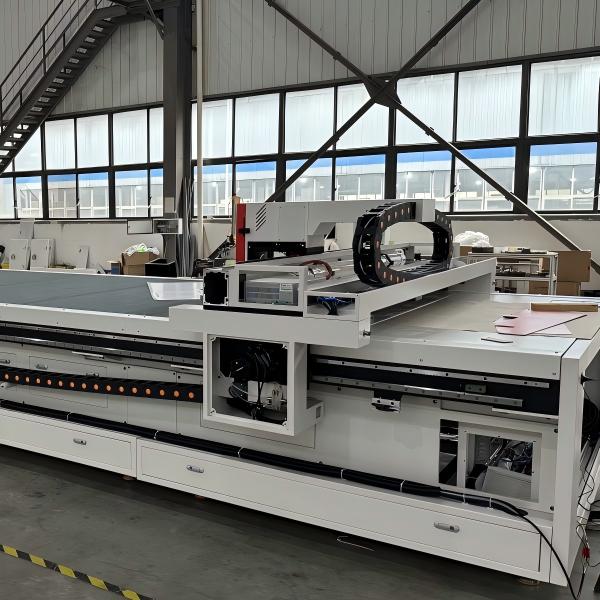
Flatbed laser cutting machines can encounter various  issues  that may affect their performance. One common problem is misalignment,  which can result  in inaccurate cuts. Regular calibration and maintenance checks are  crucial to ensure that the laser head is correctly aligned with the material.


Another frequent issue is lens contamination. Dust  or debris on the lens can reduce  cutting quality and efficiency. Implementing a routine cleaning schedule  can help mitigate this problem. Additionally, ensure that operators are trained to handle the equipment properly to avoid  accidental damage.


Overheating is another  concern,  especially with prolonged operation. This can lead to reduced performance and even  machine failure. Buyers should ensure adequate  cooling  systems are in place and  monitor  the machine's operating temperature during use.

If  a problem arises, consult the manufacturer’s support resources. A reputable supplier, like Golden Laser, will provide customer-centric service and troubleshooting assistance, helping to minimize downtime  and maintain productivity.

Applications of Flatbed Laser Cutting Machines in Various Industries

Applications of Flatbed Laser Cutting Machines in Various Industries

Flatbed laser cutting machines are versatile tools used across various industries. In the printing  and packaging sector, they are  employed to create intricate designs and cut materials like cardboard, paper, and packaging films. Their  precision allows for detailed  cuts  that  enhance the aesthetic appeal of  printed products.

In the signage industry, laser cutters are utilized to  produce custom signs from  various materials, including acrylic, wood,  and metal. The ability to create complex shapes and lettering with high precision makes laser cutting a  preferred method for signage production.

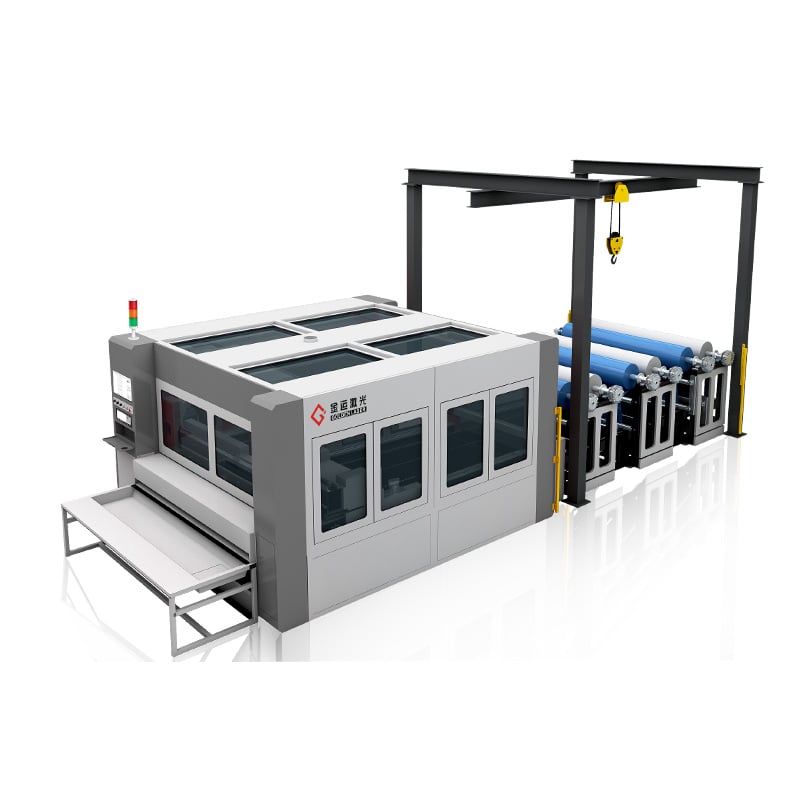
The automotive industry  benefits from flatbed laser cutting  machines for components such as interior panels, metal  parts, and insulation materials. Their efficiency in processing both metal and non-metal materials allows for rapid prototyping and production. For instance, the Medium-Power Large-Format Laser Cutting System can be particularly effective for these applications.

Moreover,  in the textile industry, flatbed laser  cutters are increasingly used for cutting fabrics and garments. This  application enhances production speed and reduces waste, making  it  a  sustainable option for textile manufacturers.

How to Compare Flatbed Laser Cutting Machines for Optimal Performance

When  comparing  flatbed laser cutting machines,  establish a clear set of criteria based on your specific requirements. Start by assessing the overall performance metrics, including cutting speed,  accuracy,  and the ability to handle diverse materials. Inquire about the maximum  cutting thickness and speed specifications from different manufacturers.

Next, consider the machine's ease of use. Look for features like intuitive software, automated setup processes, and user-friendly interfaces. These factors can significantly impact operational efficiency and minimize the learning curve for new operators.

Evaluate the  level of after-sales support and service provided by each manufacturer. A reliable supplier should  offer comprehensive training, maintenance options, and troubleshooting assistance to ensure smooth operation  over  the machine's lifespan.

Additionally, consider customization capabilities. Depending  on your production needs, you may require specific  features or configurations. Discuss customization options with potential suppliers to ensure that the machine meets your unique  operational requirements.

Lastly, compare pricing structures carefully. Look  beyond  the initial purchase price; consider factors such as warranty coverage, potential maintenance costs, and the availability of spare  parts. Understanding the total  cost of  ownership will help you make a more informed decision.

By taking a systematic approach  to evaluation and comparison, B2B buyers  can select a flatbed laser cutting machine that aligns with their production goals and operational needs.

How to Evaluate Flatbed Laser Cutting Machine Quality and Reliability

When evaluating the quality and reliability of a flatbed laser cutting machine, several key factors should be considered. Begin with  assessing the  manufacturer’s reputation and experience in the industry. A company  like Golden Laser, with over 20  years of expertise, typically has  established quality control processes and a track record of customer satisfaction.

Next, examine the materials used  in the construction of the  machine. High-quality components such as robust frames,  reliable laser sources, and precision  optics significantly  enhance the machine's  durability and performance. Additionally,  check for industry certifications  that  indicate compliance  with international manufacturing standards.


Another critical aspect is  the machine's  performance metrics, such as cutting speed, precision, and repeatability. Request detailed specifications and performance data from the manufacturer, and consider conducting a  live demonstration if possible.  This direct observation allows buyers to assess the machine's capabilities and reliability in real-world applications.

Get a Free Quote

Our representative will contact you soon.
Email
Name
Company Name
Message
0/1000

Related product categories