CNC Textile Cutting Machines: Key Considerations

Get a Free Quote

Our representative will contact you soon.
Email
Name
Company Name
Message
0/1000

cnc textile cutting machine

CNC  textile cutting machines  are advanced tools designed to  automate  the  cutting process  for a  variety of textiles and materials. These machines are crucial for manufacturers in sectors such as apparel, automotive, and upholstery,  where precision and efficiency are paramount. As  a purchasing manager or  product  engineer, understanding the nuances of CNC textile  cutting machines can be instrumental in making informed  purchasing  decisions. This article  will guide  you through essential considerations when comparing these machines, addressing common installation challenges, exploring their  applications across industries,  offering solutions to typical problems,  and outlining cost factors that may influence your purchasing  strategy.
Our Products

Common Installation Challenges for CNC Textile Cutting Machines

Common Installation Challenges for CNC Textile Cutting Machines

Installing a  CNC  textile cutting  machine can present several challenges. One common issue is ensuring that the machine  is properly aligned and calibrated according to the manufacturer’s specifications. Misalignment can lead to  inaccurate cuts and  wasted material, which can be costly in production.

Another challenge is the integration of the machine with  existing production workflows. Ensuring compatibility  with other equipment and  software  systems is crucial for seamless operation. Additionally,  the installation site  must accommodate the machine's size and operational requirements, including power  supply and ventilation.

Training personnel on the machine's operation is also essential. Without proper  training, operators  may struggle to maximize the machine's potential,  leading to  inefficiencies and increased downtime. Consider  engaging with the manufacturer  for comprehensive training  sessions to facilitate a smooth transition.
Applications of CNC Textile Cutting Machines in Various Industries

Applications of CNC Textile Cutting Machines in Various Industries

CNC textile cutting machines are versatile and find applications  across multiple industries. In the fashion and  apparel sector, they are used for cutting intricate  designs in fabrics,  ensuring precision and  reducing labor costs.  The automotive industry utilizes  these machines for  cutting materials  used in interiors,  such as upholstery and insulation, where accuracy is critical for  fit and appearance.

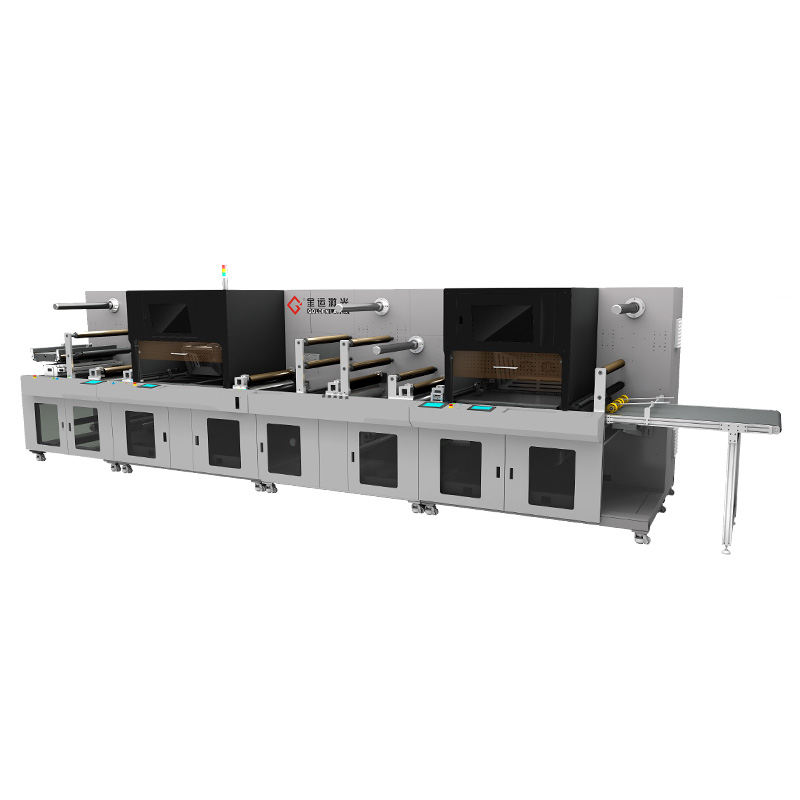
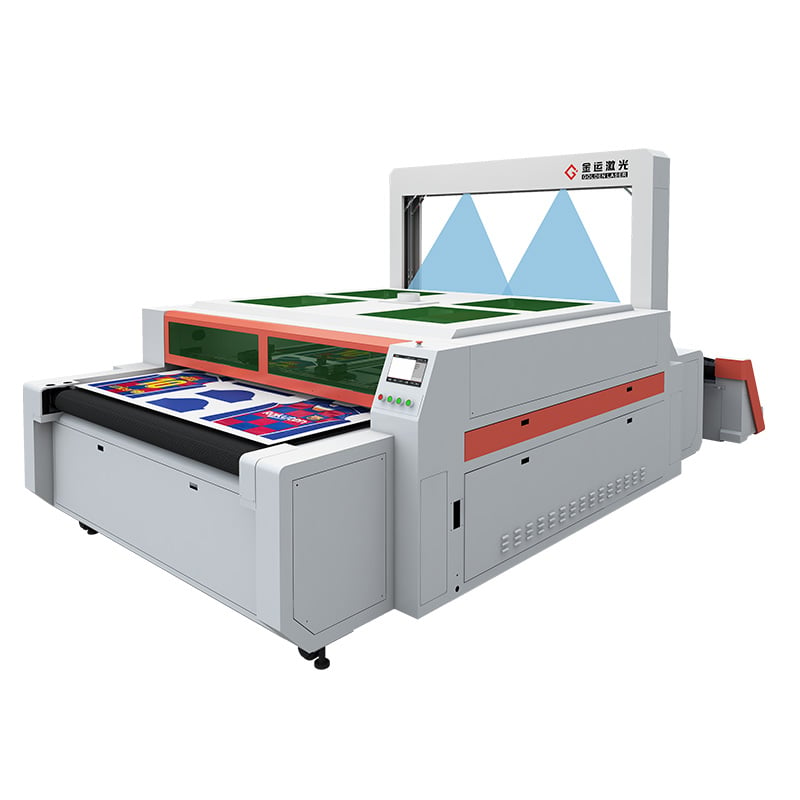
In the signage and advertising  sector, CNC cutting  machines can create custom shapes and designs  from various materials, including vinyl and canvas, allowing for  high-quality promotional displays. Furthermore, they are increasingly being adopted in the home furnishings  industry for cutting  upholstery and drapery fabrics. The Visual Galvanometer Laser Cutting System is an excellent option for achieving detailed cuts in these applications.

Understanding the specific applications of these machines can help buyers determine which features are most relevant to their  needs, ensuring they select a machine that optimally serves  their  industry requirements.

Solutions to Common Problems with CNC Textile Cutting Machines

Solutions to Common Problems with CNC Textile Cutting Machines

Despite their advanced capabilities, CNC textile  cutting machines can encounter several  common issues. One frequent problem  is material feed inconsistency, which can lead to uneven cuts. To mitigate this,  ensure that the machine's feeding system is  regularly maintained and  that operators are trained  to adjust tension  and alignment as needed.

Another  challenge is software glitches, which can disrupt production. Regular updates  and maintenance checks can help prevent these issues. Additionally, it's essential  to have  a robust support system in place  to troubleshoot software-related problems quickly.

Finally, wear and tear on cutting  tools  can affect cutting quality over  time. Establishing a routine for inspecting and replacing blades will help maintain performance and reduce  the  likelihood  of production delays.


Cost Factors to Consider When Buying CNC Textile Cutting Machines

Understanding the cost factors associated with CNC textile cutting machines is vital for budgeting and financial  planning. The initial purchase price is just one aspect;  consider additional expenses such  as installation, training, and ongoing maintenance.

Material compatibility and the types of cutting tools required can significantly influence costs.  For instance, machines that  can operate with a variety of materials may offer more value by providing flexibility in production, reducing the need for multiple machines.

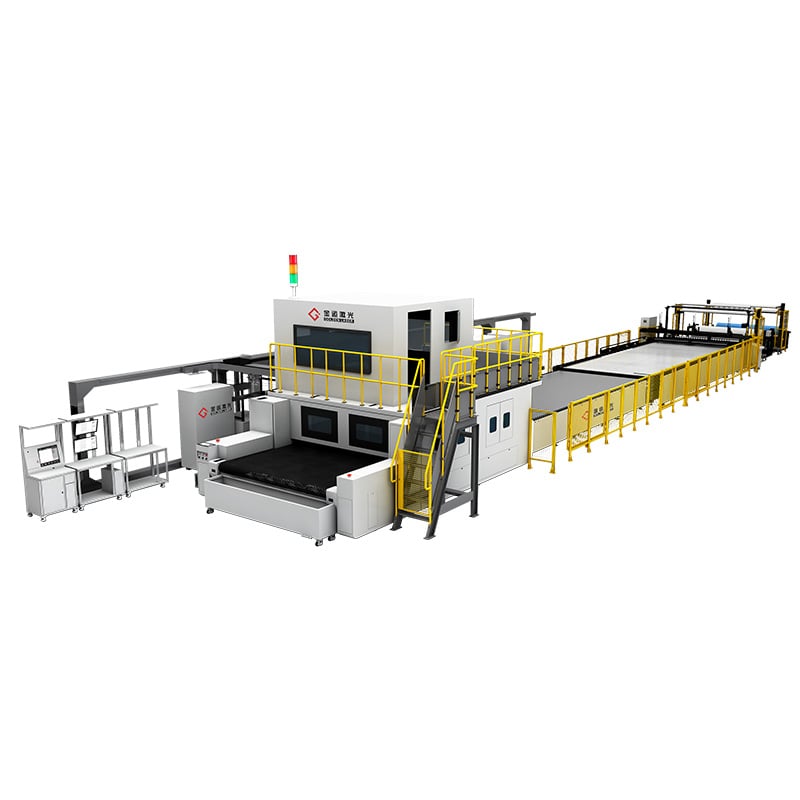
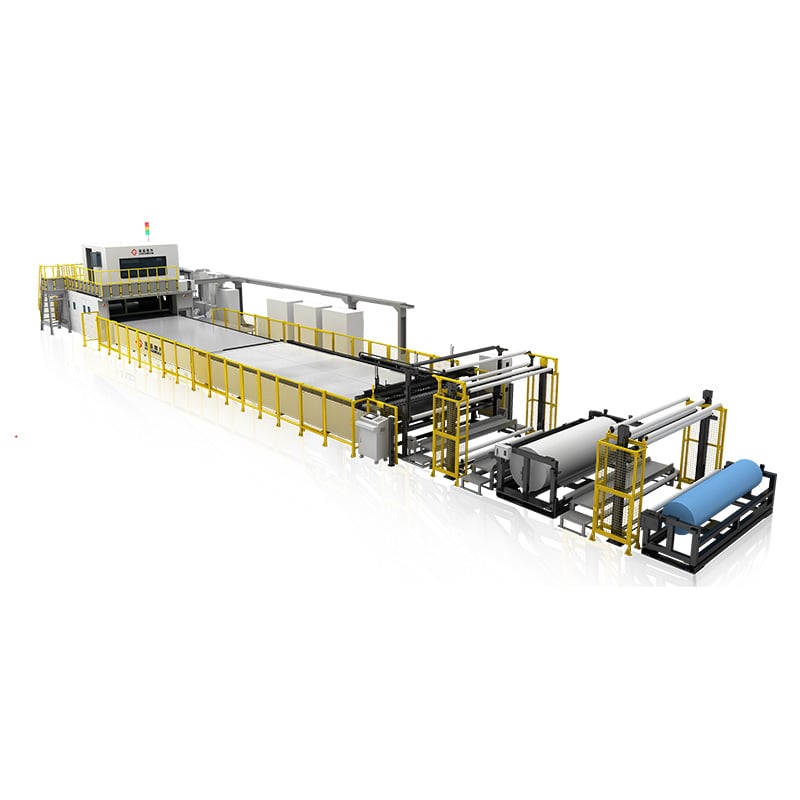
Another consideration is the total  cost of ownership, which includes energy consumption, replacement parts, and potential downtime. Machines  that are more energy-efficient  may have a higher upfront  cost but can lead  to savings over time due to lower operational expenses. The Medium-Power Medium-Format Laser Cutting System is one such machine that balances efficiency and cost-effectiveness.

Lastly,  always inquire about warranty  and support options. A comprehensive warranty can protect your investment  and minimize unexpected  costs related to repairs or malfunctions.

In summary,  selecting the right CNC textile cutting machine involves evaluating your specific needs, understanding installation challenges, recognizing industry  applications,  and considering common problems and cost  factors. By taking  a strategic approach, you can make a well-informed decision that supports  your production goals and enhances operational efficiency.

How to Compare CNC Textile Cutting Machines for Your Needs

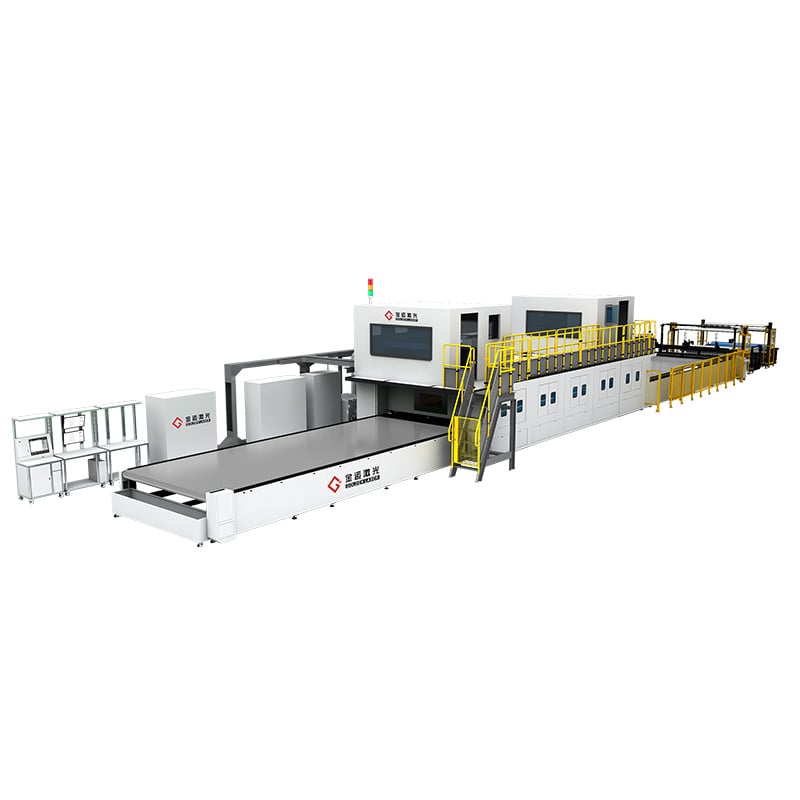
When selecting a  CNC  textile cutting machine, the first step is to identify your specific requirements. Key factors to  consider include cutting speed, accuracy, and the type of  materials you intend to use. For example, if you primarily work with delicate  fabrics, a machine that provides fine control and minimal fabric distortion is essential. On the other hand, if your focus  is on thicker materials, look for machines equipped with robust cutting capabilities. For instance, the Large Format Visual Laser Cutting System is designed to handle heavier materials with precision.


Additionally, consider&nbsp; the machine's software compatibility. A user-friendly interface that supports various file&nbsp; formats can enhance workflow efficiency. It’s also crucial to evaluate the machine’s specifications,&nbsp; such as cutting&nbsp; width, thickness capacity,&nbsp; and the&nbsp; range of cutting tools it supports. For instance, some&nbsp; machines may excel in cutting complex patterns, while others may prioritize speed. </p>

Finally, assess&nbsp; the&nbsp; manufacturer's support and service offerings.&nbsp; A supplier like Golden Laser, with over 20 years of&nbsp; industry experience, can provide valuable insights into machine performance and maintenance, ensuring you select a machine&nbsp; that&nbsp; aligns with your operational needs.

Get a Free Quote

Our representative will contact you soon.
Email
Name
Company Name
Message
0/1000

Related product categories