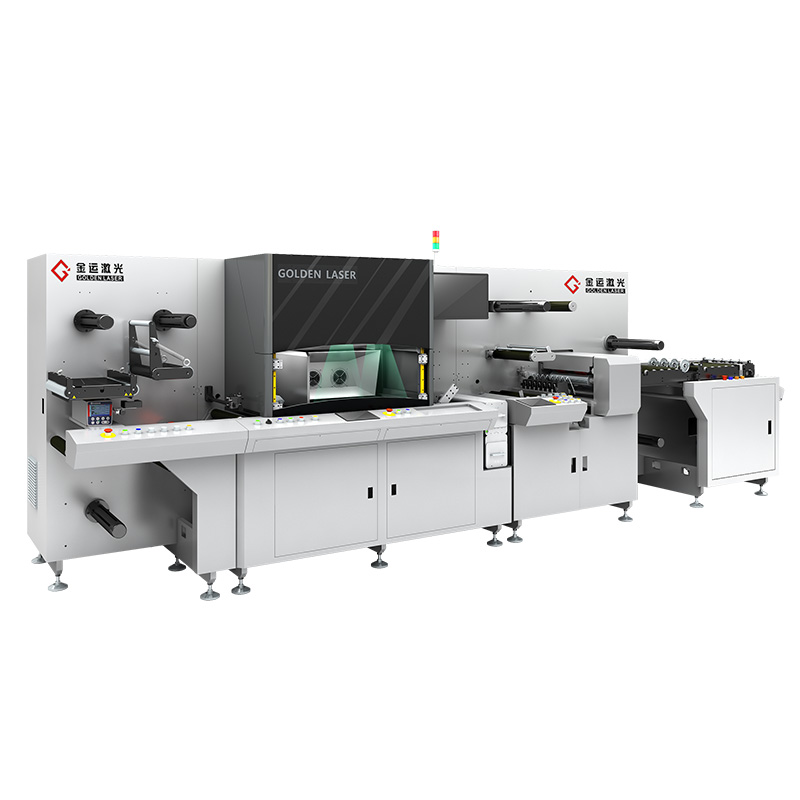
CNC textile cutting machines are advanced tools designed to automate the cutting process for a variety of textiles and materials. These machines are crucial for manufacturers in sectors such as apparel, automotive, and upholstery, where precision and efficiency are paramount. As a purchasing manager or product engineer, understanding the nuances of CNC textile cutting machines can be instrumental in making informed purchasing decisions. This article will guide you through essential considerations when comparing these machines, addressing common installation challenges, exploring their applications across industries, offering solutions to typical problems, and outlining cost factors that may influence your purchasing strategy.
Common Installation Challenges for CNC Textile Cutting Machines
Installing a CNC textile cutting machine can present several challenges. One common issue is ensuring that the machine is properly aligned and calibrated according to the manufacturer’s specifications. Misalignment can lead to inaccurate cuts and wasted material, which can be costly in production.
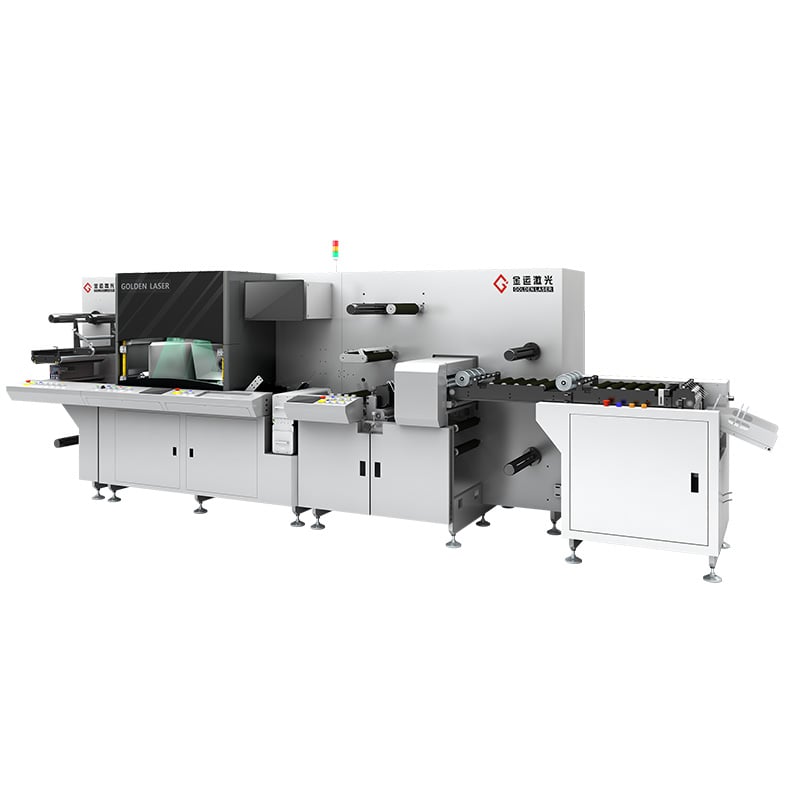
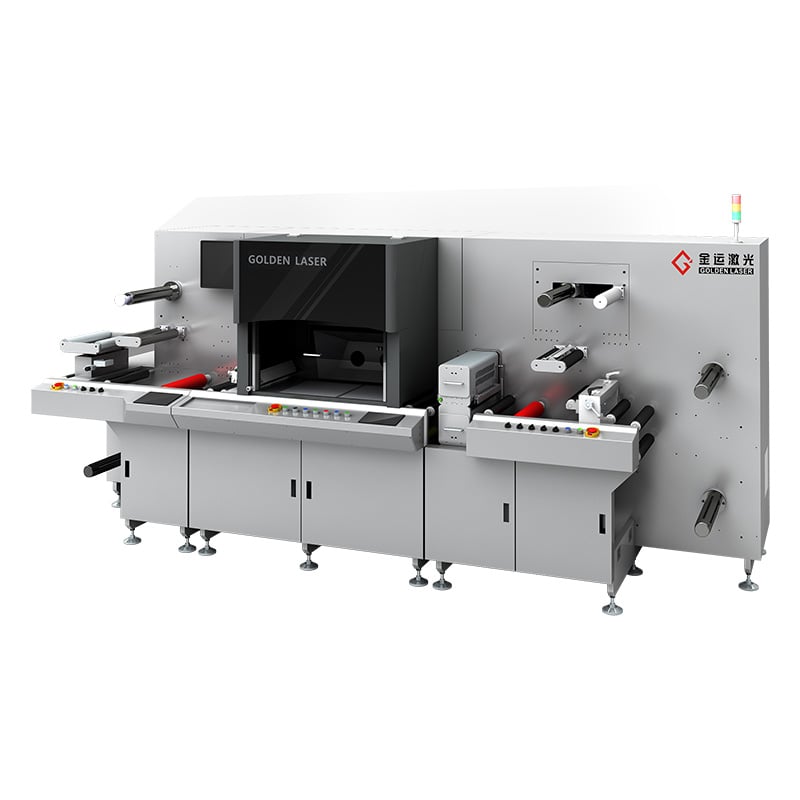
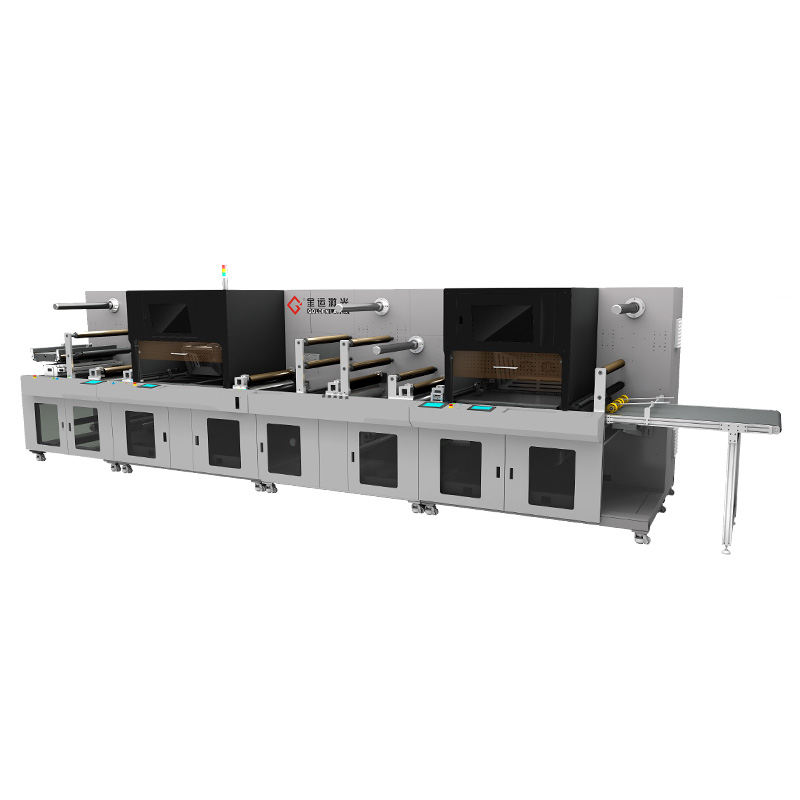
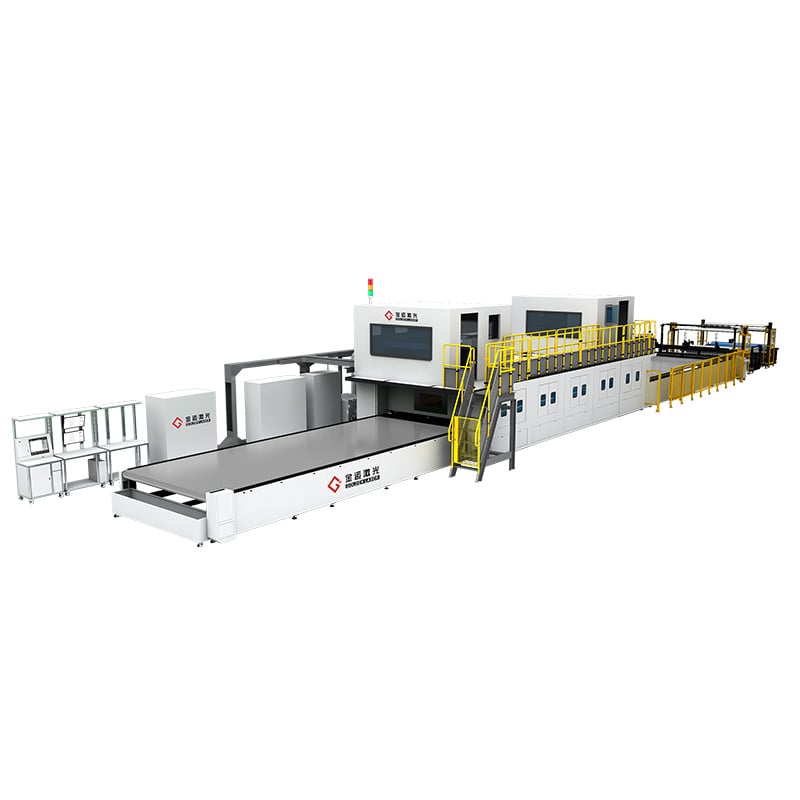
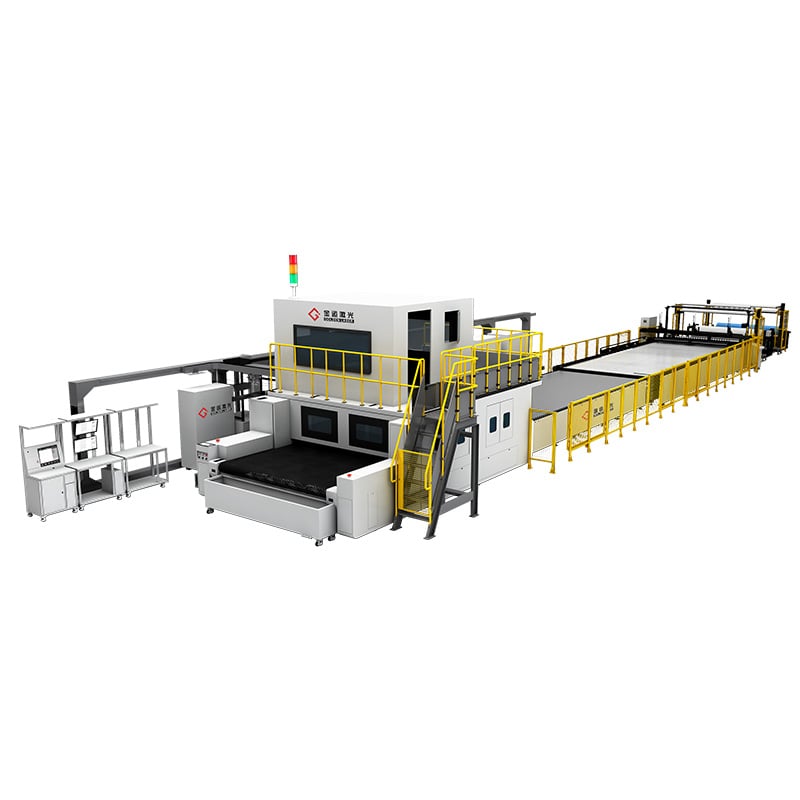
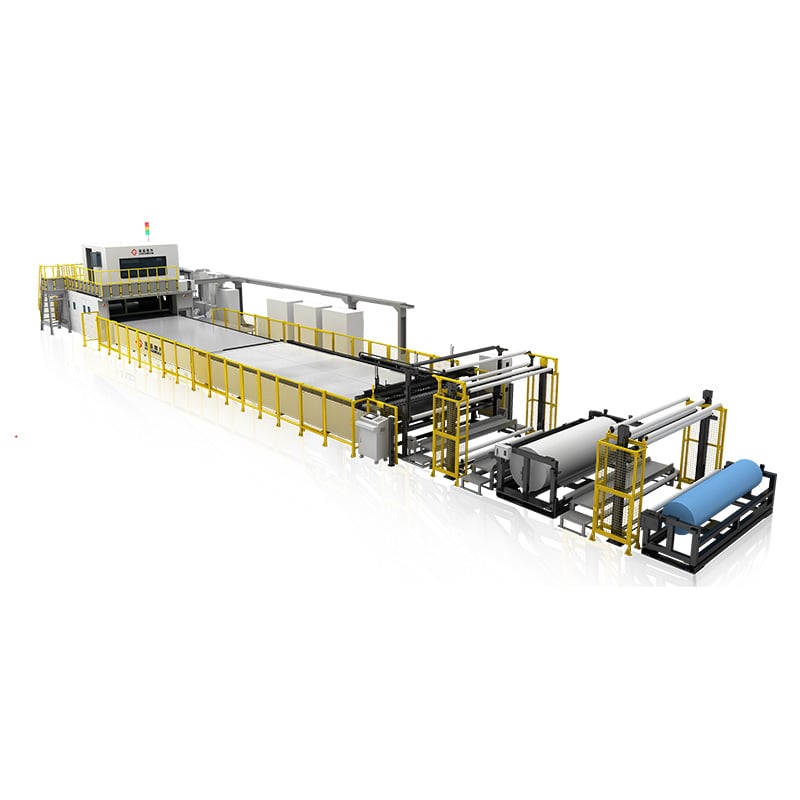
Another challenge is the integration of the machine with existing production workflows. Ensuring compatibility with other equipment and software systems is crucial for seamless operation. Additionally, the installation site must accommodate the machine's size and operational requirements, including power supply and ventilation.
Training personnel on the machine's operation is also essential. Without proper training, operators may struggle to maximize the machine's potential, leading to inefficiencies and increased downtime. Consider engaging with the manufacturer for comprehensive training sessions to facilitate a smooth transition.